Business 382
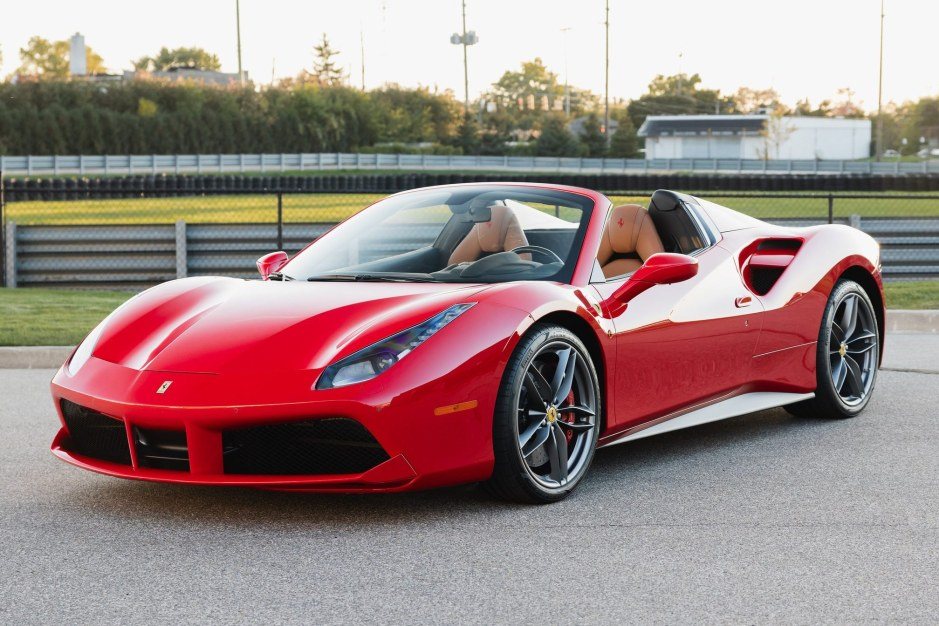
Dealer Lists Low-Mileage 2017 Ferrari 488 Spider Imported From Canada
In this issue
Business 382
Dealer Lists Low-Mileage 2017 Ferrari 488 Spider Imported From Canada
Culture 403
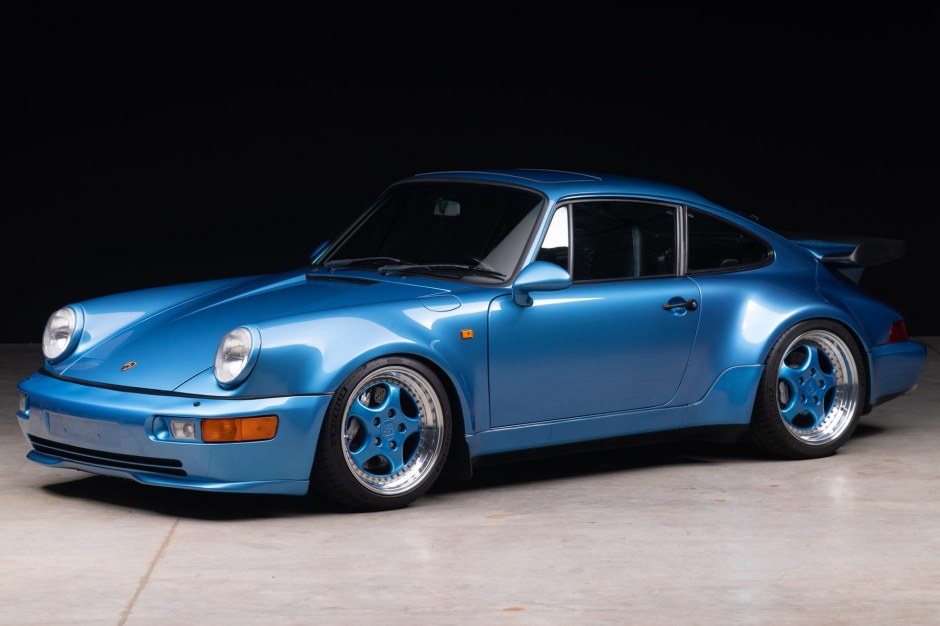
1992 Porsche 911 Turbo With 3.5-Liter Engine Listed for Sale in New Jersey
Economy 53
Oil prices fall on hopes of easing Iran conflict
News 171
Britons stock up on tinned food and bottled water after Be Ready campaign
Politics 125
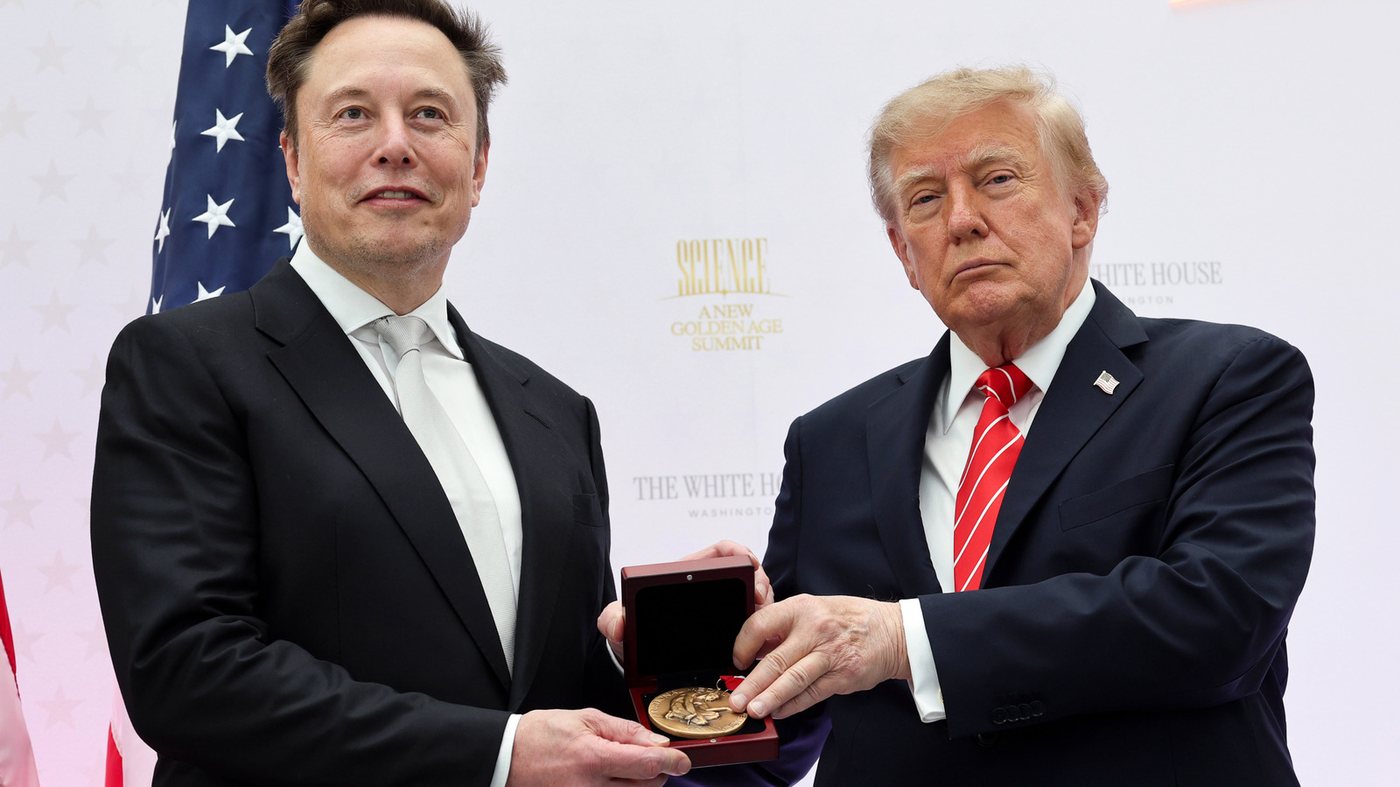
Musk’s reported $474 million political ad spend contrasted with alternative car p…
Sports 305
Gill Bowls First as Rain Cuts Hamilton ODI to 40 Overs
Technology 366
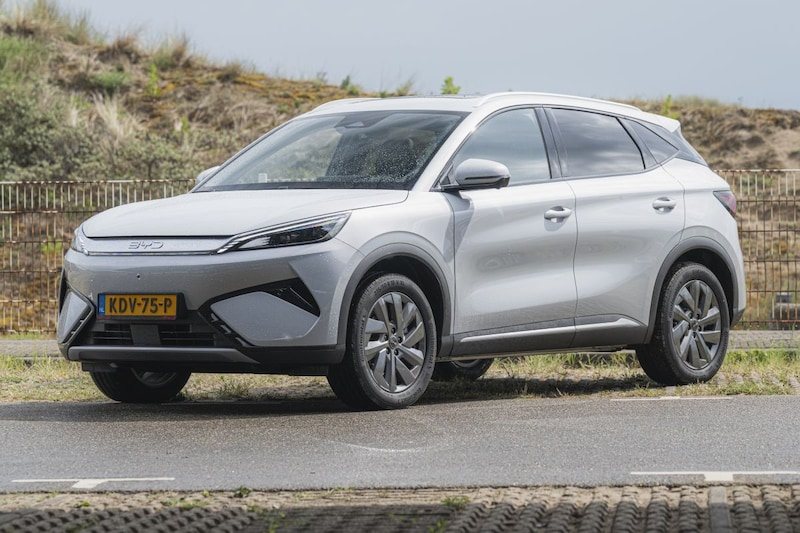
Fourteen MEPs Ask EU to Probe Security Risks of BYD Cars
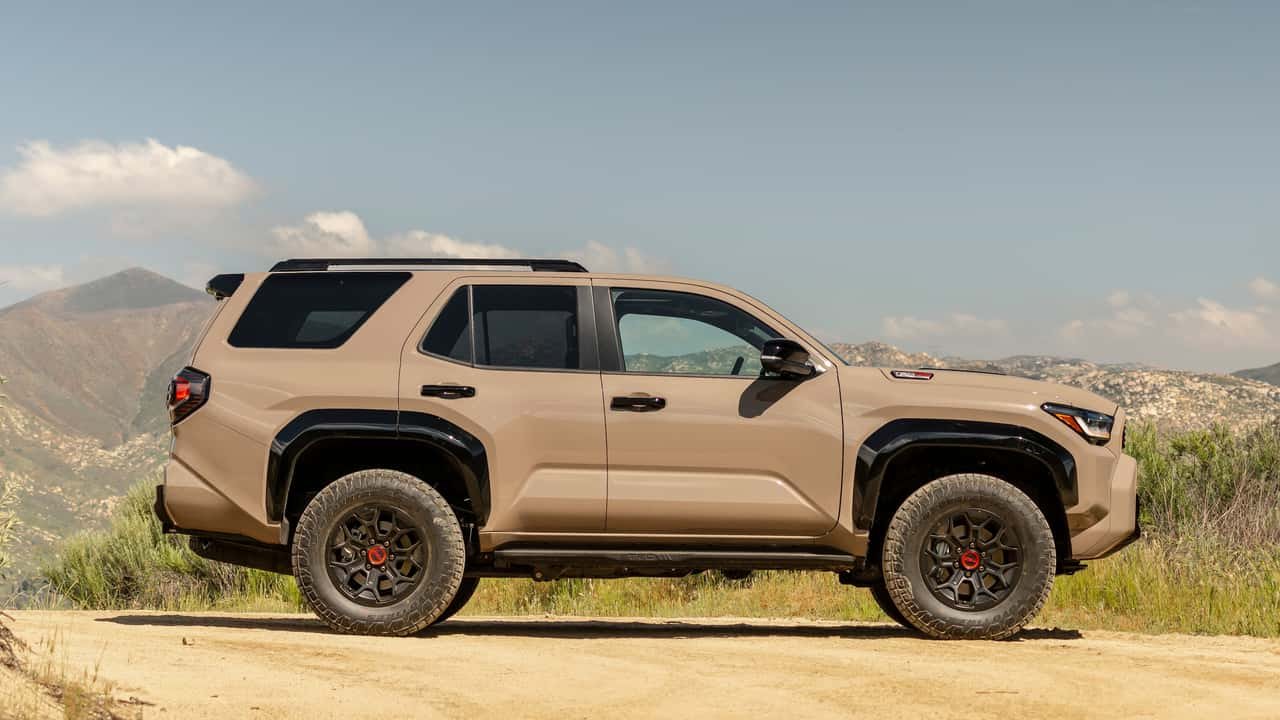
The average transaction price for a new car has reached about $51,000, another all-time high, as buyers move toward bigger models, list prices rise and discounts shrink.
By Eleanor Ellington · 3 min read
The average transaction price of a new car has reached a record of roughly $51,000, marking another all-time high for the category. The figure points to a market in which new vehicles are becoming steadily more expensive for ordinary buyers, and it arrives as the cost of getting behind the wheel of a new car continues to climb.
Several factors are pushing the average upward. Buyers are increasingly choosing larger vehicles, which carry higher price tags than smaller models, so the mix of what people are purchasing is itself lifting the figure. At the same time, manufacturers' list prices, known as MSRPs, are rising, meaning the starting point for negotiation is higher before any haggling begins. The incentives and discounts that once helped soften the cost of a new purchase have also shrunk, removing a cushion that buyers previously relied on to bring the final price down.
Taken together, these trends make new vehicles harder for typical buyers to afford. When list prices rise and the protection offered by incentives narrows, the gap between a car's sticker price and what a household can comfortably pay widens. That pressure falls most heavily on shoppers at the middle and lower end of the market, who have less room to absorb higher monthly payments or larger down payments than buyers at the premium end.
The shift toward larger vehicles also has a practical dimension for the broader market. When demand concentrates on bigger and more expensive models, the average transaction price rises even if the price of any individual model changes little. This means the record figure can reflect buyer preference as much as pricing decisions made by manufacturers, which makes the headline number harder to read as a simple measure of inflation in the sticker price of a given car.
The available reporting rests on a headline and summary, and the full data source, the methodology used to calculate the average, and the exact time period it covers have not been confirmed. Readers should therefore treat the $51,000 figure as the headline measure reported, pending fuller detail on how the average was derived and over what span of time it applies. Until that detail is available, the scale of the rise and the precise contribution of each driver cannot be quantified with certainty.
Source: motor1.com
15