Business 339
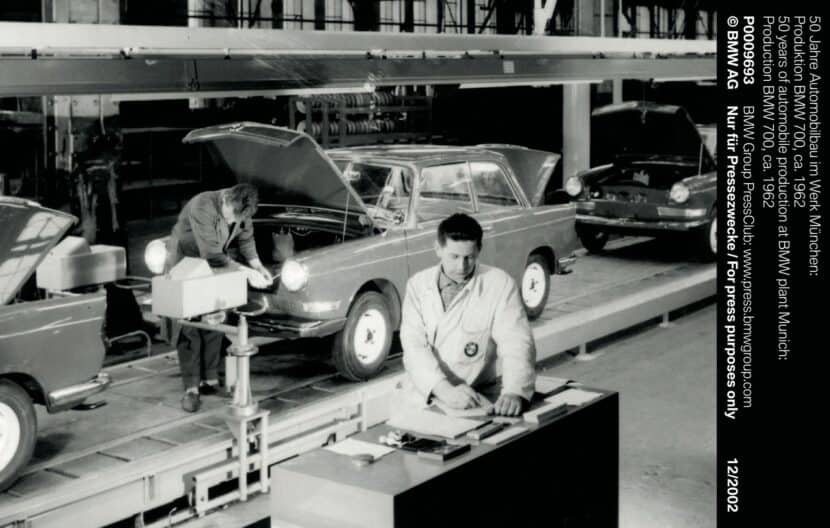
BMW Plans Entry-Level Electric i1 Hatchback for Europe by 2028
In this issue
Business 339
BMW Plans Entry-Level Electric i1 Hatchback for Europe by 2028
Culture 360
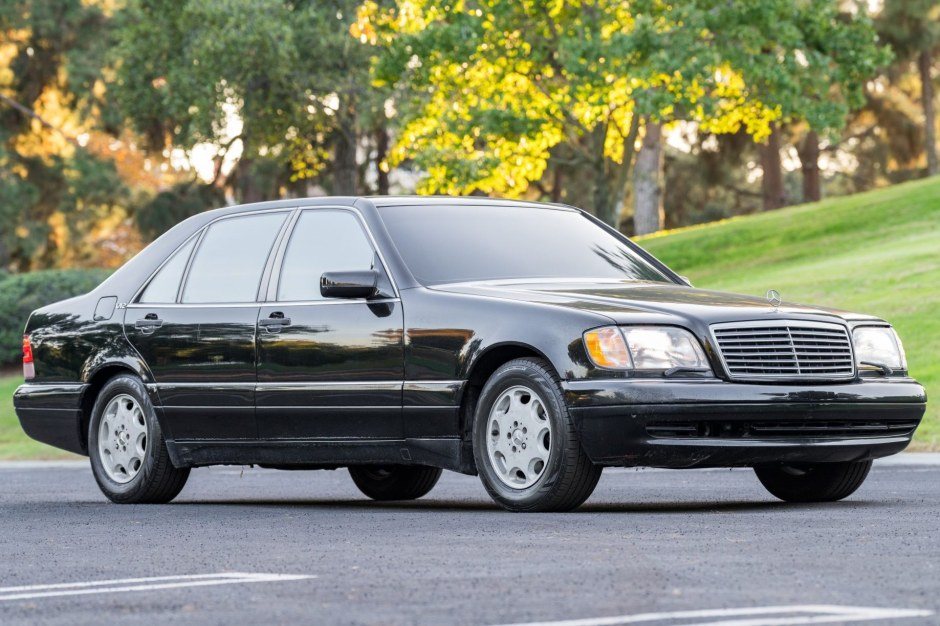
Ultra-luxury 1996 Mercedes-Benz S600 V12 sedan offered at no reserve
Economy 51
British healthcare worker tests positive for Ebola in Congo
News 165
Britain faces snow band across 500 miles and cold snap near -7C
Politics 125
Musk’s reported $474 million political ad spend contrasted with alternative car p…
Sports 298
F1 chooses Rwanda for new grand prix over France and Germany
Technology 359
Renault 5 tops Autocar’s ranking of the best small electric cars
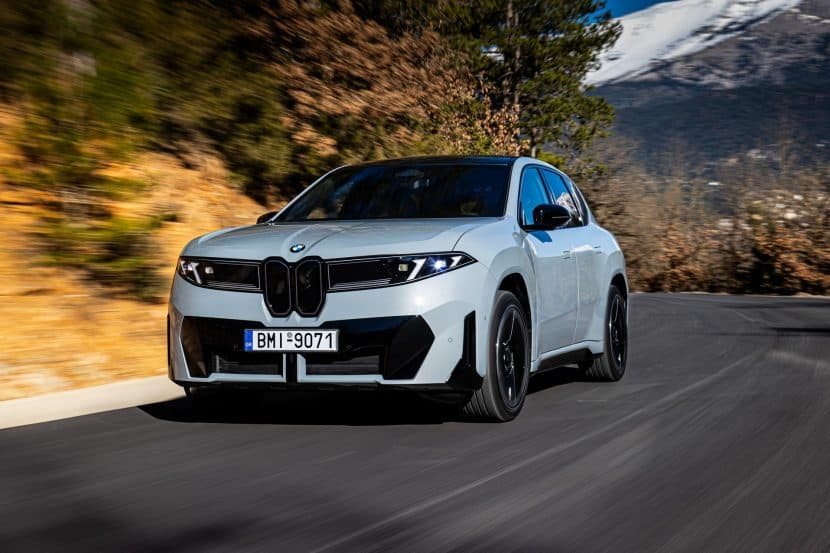
Battery-electric vehicles made up 20 percent of BMW Group sales in the third quarter of 2026, and including plug-in hybrids the electrified share reached 27.4 percent.
By Edward Beaumont · 4 min read
Roughly one in every five BMW and MINI cars sold in the third quarter of 2026 was fully electric. According to sales data, the share of BEVs in the BMW Group's global mix stood at 20 percent. Including plug-in hybrids (PHEVs), the electrified share rose to 27.4 percent, showing how quickly electrification is becoming the foundation of the company's product strategy.
The picture differs markedly by region. In Europe, the share of electric vehicles reached 34.7 percent in the third quarter, and 46.9 percent including plug-in hybrids, making the region the main driver of the brand's electrification. In the United States, the share of electric vehicles was only 4.7 percent, and the electrified share including hybrids was 11.4 percent. According to the source, the US lag is explained by the fact that the iX1 and iX2 models, which could fill the compact electric segment, are not offered in that country.
In China, the share of pure electric vehicles was 6.5 percent, and the electrified share including hybrids was 6.6 percent. The difference between these figures means that plug-in hybrids contribute little to China's electrification mix, and almost all electrification there is tied to fully electric models. In the Asia-Pacific, Eastern Europe, Middle East and Africa regions, the share of electric vehicles was 18 percent and the electrified share 23.3 percent. These markets thus sit between a strong Europe and the more cautious United States and China.
Year to date for 2026, the BEV share at BMW and MINI reached 18.4 percent, and 26.1 percent including all electrified models. This means the third quarter was not a one-off peak: electrification is growing steadily on an annual basis. The company links the trend to several factors: emissions regulations, government incentives, the model lineup, charging infrastructure development and the political situation in various markets. The material does not specify how much each of these factors influenced the results.
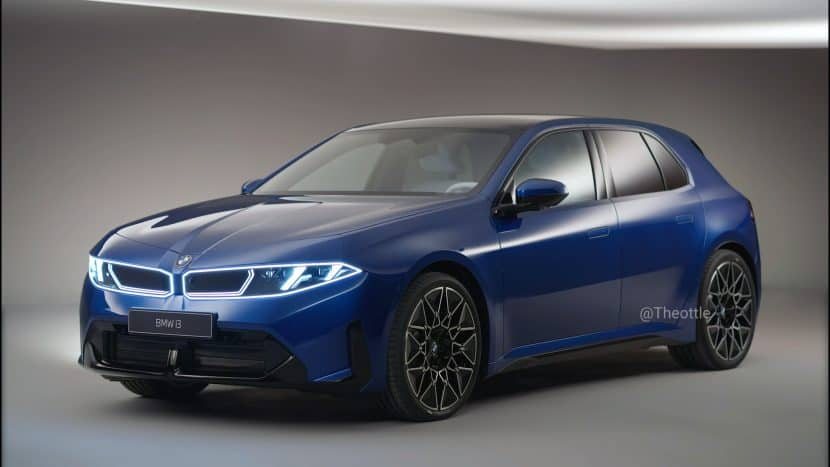
The product range continues to expand. The new generation iX1 is due in 2027, and the i1 in 2028. The new i3 arrives on the market this month, one of the nearest steps in renewing the electric range. The iX7 will also appear soon, but its high price is expected to limit sales volumes and make it a niche offering. BMW meanwhile maintains its 'Power of Choice' strategy, offering combustion-engine and plug-in hybrid cars in parallel so that buyers can choose a powertrain according to their circumstances and market.
It remains unclear whether demand in the United States will change after the arrival of the new models. For now, the low share of electric vehicles in that market remains the company's main question, especially against the noticeably higher figures in Europe. The material is based on an industry blog post about BMW rather than an official company release, so individual figures and forecasts should be considered with this source in mind.
Source: bmwblog.com
9