Business 146
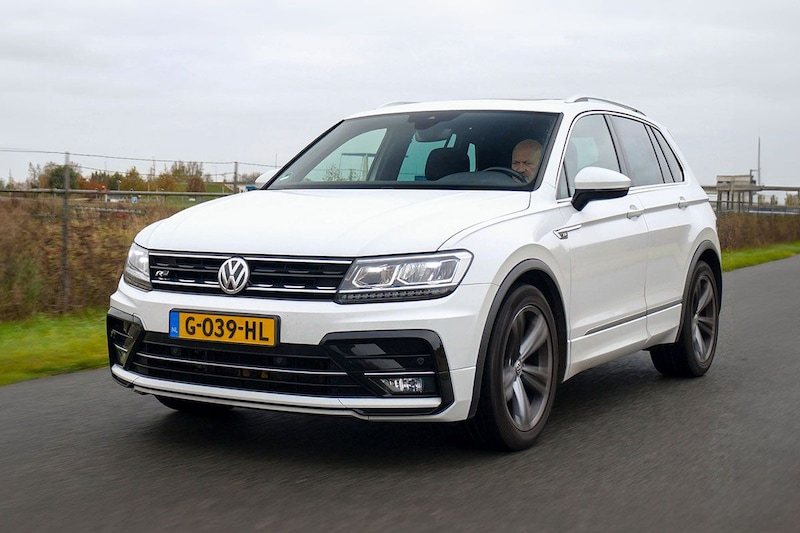
Volkswagen and Audi Recall Millions of Cars Over Steering Screw Corrosion
In this issue
Business 146
Volkswagen and Audi Recall Millions of Cars Over Steering Screw Corrosion
Culture 152
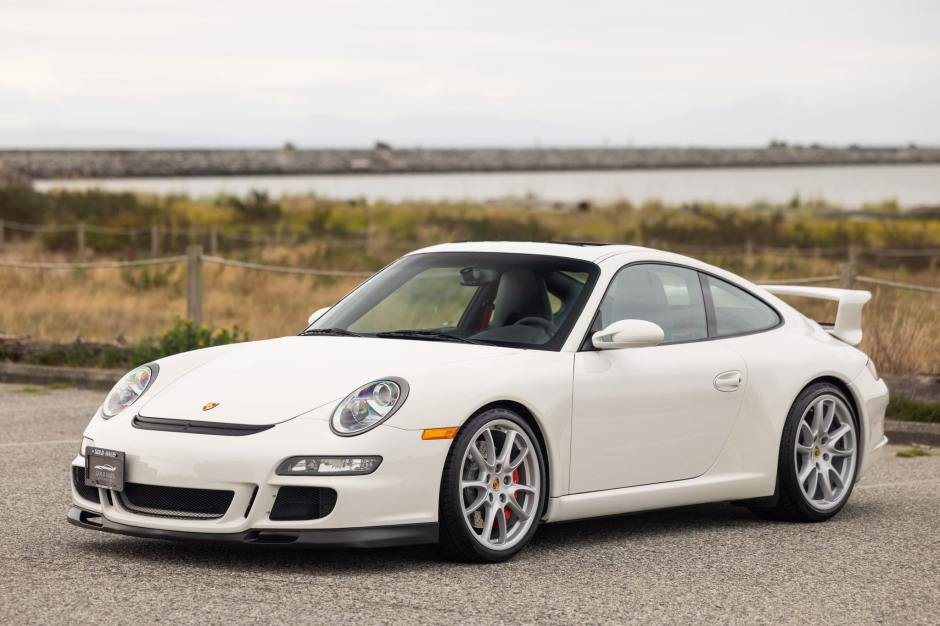
2007 Porsche 911 GT3 with 47k Kilometers Listed for Sale in Canada
Economy 33
Bitcoin and Ethereum Surge to Levels Last Seen in January
News 132
Sarandon and Einbinder arrested at anti-Netanyahu protest in New York
Politics 108
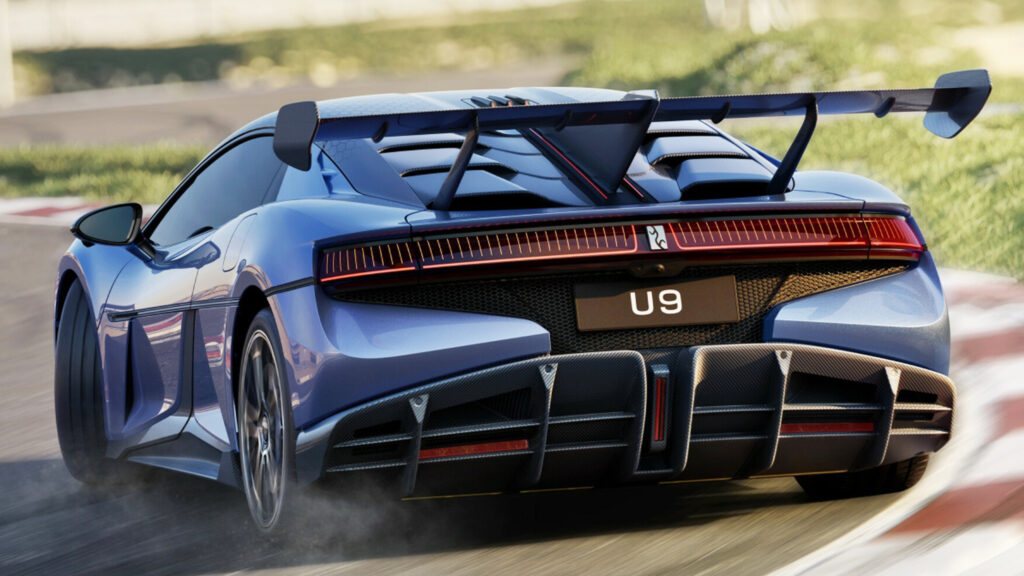
US Lawmakers Move to Permanently Ban Chinese Cars
Sports 246
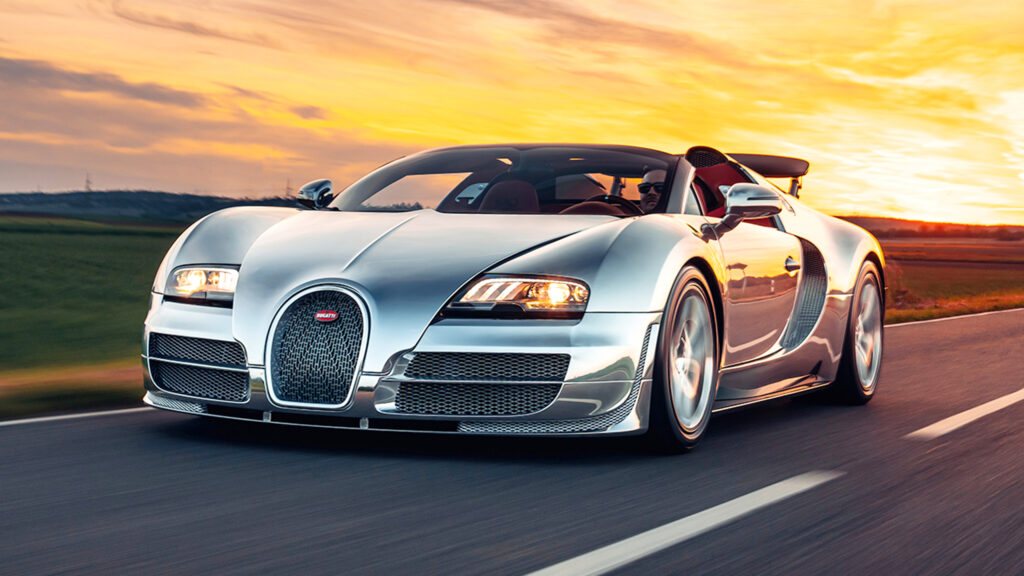
Alonso Buys Most Expensive Bugatti Veyron Ever Built
Technology 168
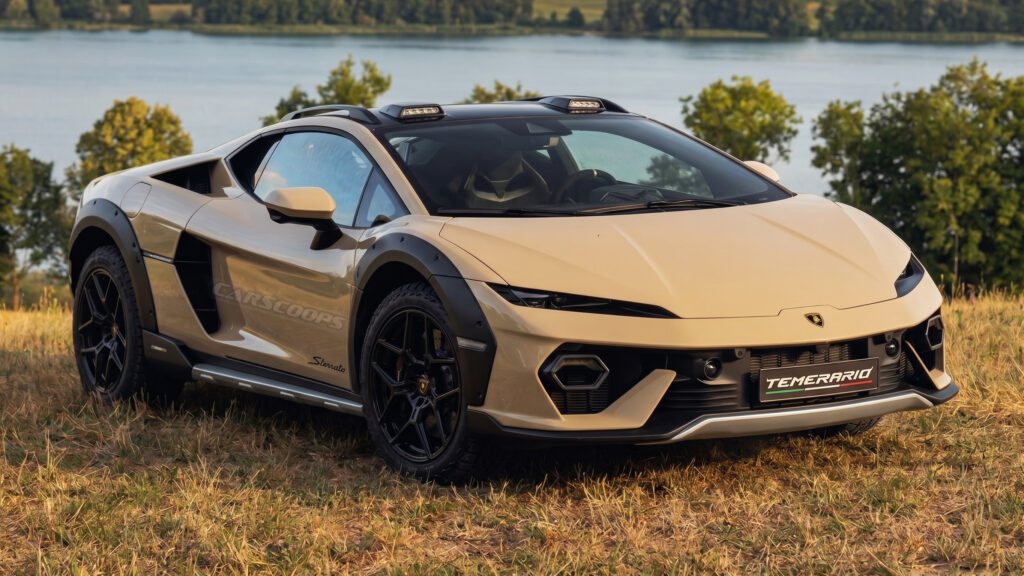
Lamborghini Temerario to spawn multiple variants, including possible Sterrato suc…
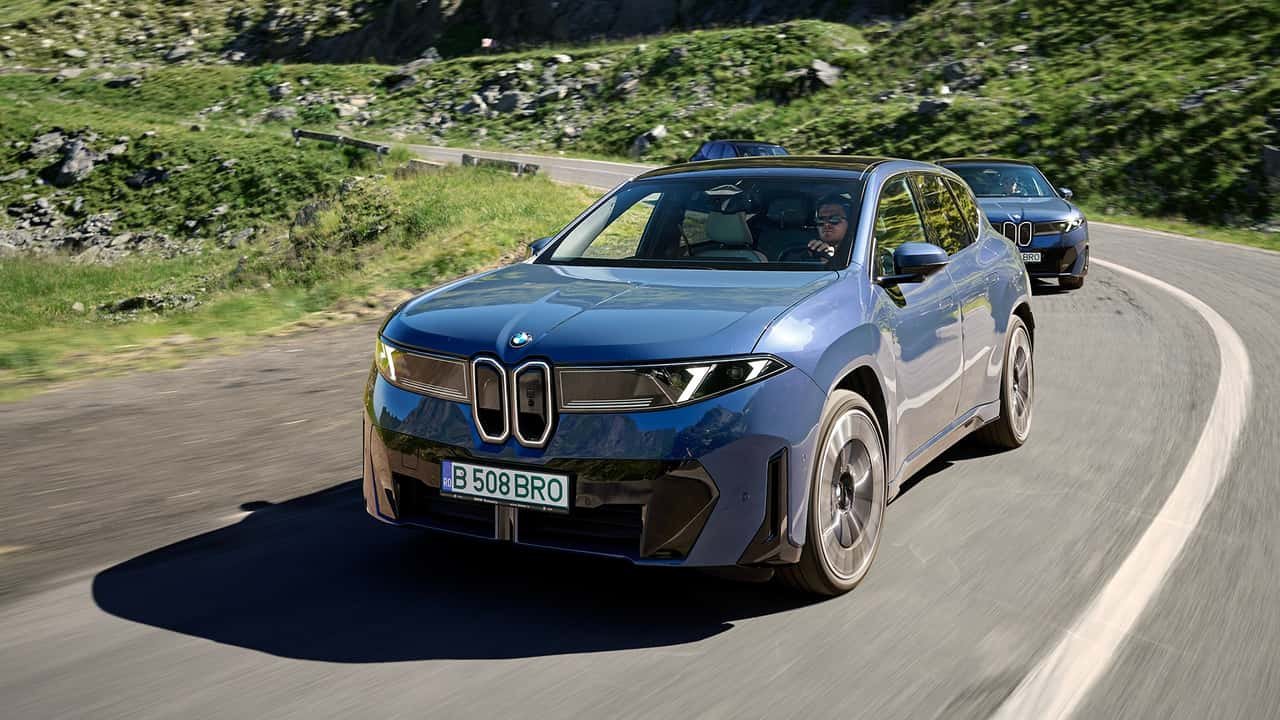
Electric vehicles now account for 29% of new car sales in Europe, with traditional combustion cars continuing to lose ground.
By Eleanor Ellington · 3 min read
Electric vehicles have reached a new milestone in Europe, now representing 29% of all new car sales, according to recent market data. The figure underscores a steady shift in consumer preferences and regulatory pressures that are reshaping the continent's automotive landscape.
The rise in EV market share comes as traditional combustion engine vehicles continue to decline. This trend reflects a broader transition in the European auto industry, where manufacturers are investing heavily in electric platforms and governments are pushing for cleaner transportation to meet climate goals.
Several factors are driving the surge. Stricter emissions regulations across the European Union, including ambitious targets to phase out new petrol and diesel cars by 2035, have accelerated the shift. Consumers are also benefiting from a growing range of electric models at more competitive prices, improved charging infrastructure, and various purchase incentives offered by national governments.
Major automakers have responded by expanding their electric line-ups. Brands that were once hesitant are now committing to full electrification, with new battery-powered models hitting showrooms across the region. This competition is helping to bring down costs and improve technology, making EVs more attractive to a wider audience.
However, challenges remain. Charging infrastructure, particularly in rural areas, still lags behind demand. Additionally, the upfront cost of many EVs remains higher than equivalent combustion models, though lower running costs and tax benefits often offset this over time. Supply chain issues and raw material prices for batteries also pose risks to continued growth.
Despite these hurdles, the trajectory is clear. The 29% market share marks a significant increase from previous years and signals that electric vehicles are moving from niche to mainstream. Industry analysts expect this upward trend to continue as more models become available and governments maintain pressure to reduce carbon emissions.
For British readers, the European figures offer a glimpse of what may lie ahead for the UK market, which has its own ambitious EV targets. As the continent embraces electric mobility, the shift is not just about cars—it is about energy, infrastructure, and the future of transportation.
5