Business 203
Jeep Weighs Modern Willys Revival for Europe
In this issue
Business 203
Jeep Weighs Modern Willys Revival for Europe
Culture 241
Rare BMW M3 Lime Rock Park Edition Heads to Auction
Economy 39
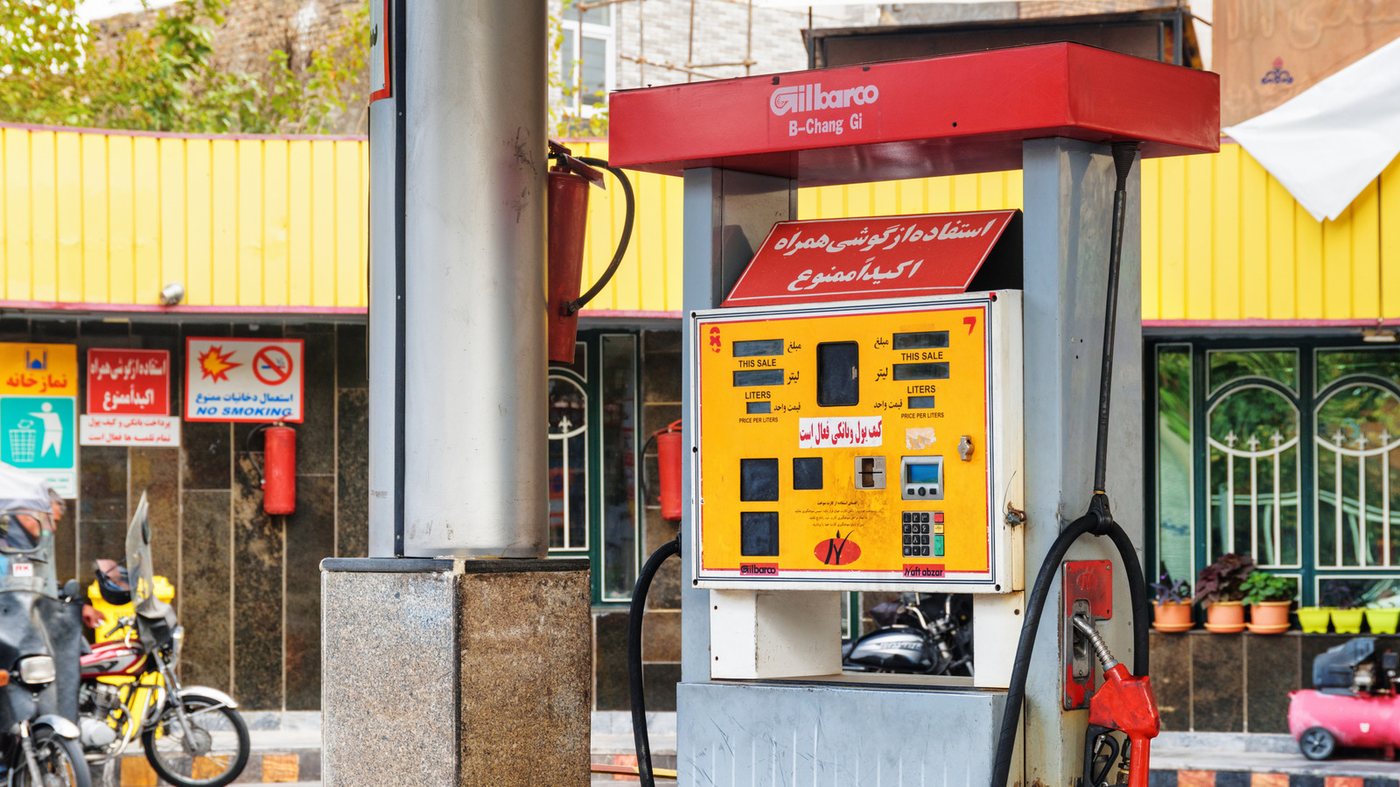
Countries Where Petrol Sells for Under $2 a Gallon
News 149
Weekly Exercise Linked to Slower Memory and Movement Decline in Parkinson's Patie…
Politics 112
Ulle Madise becomes Estonia's new president
Sports 268
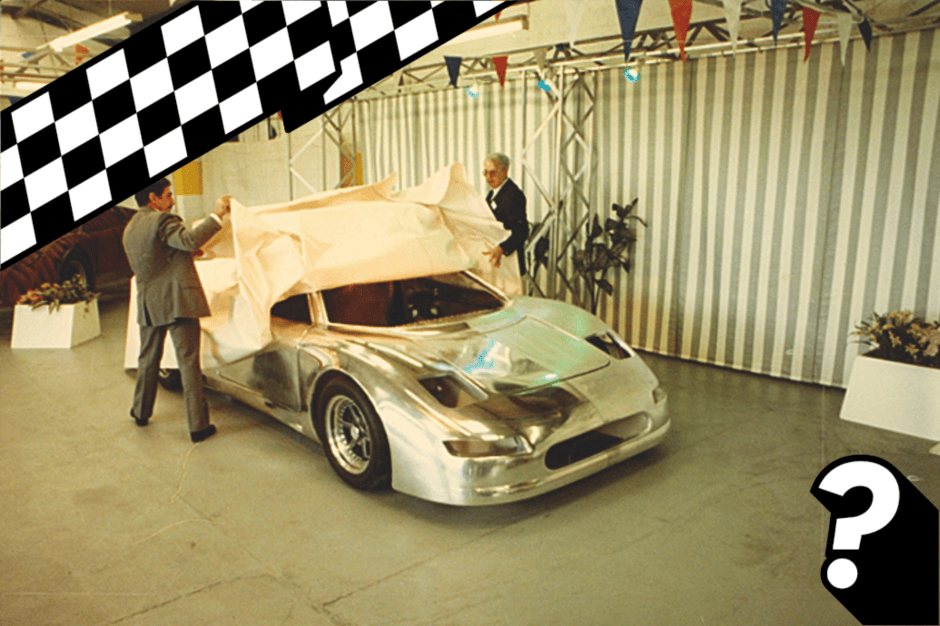
Jaguar XJ220 Named Favourite British Supercar in Reader Poll
Technology 276
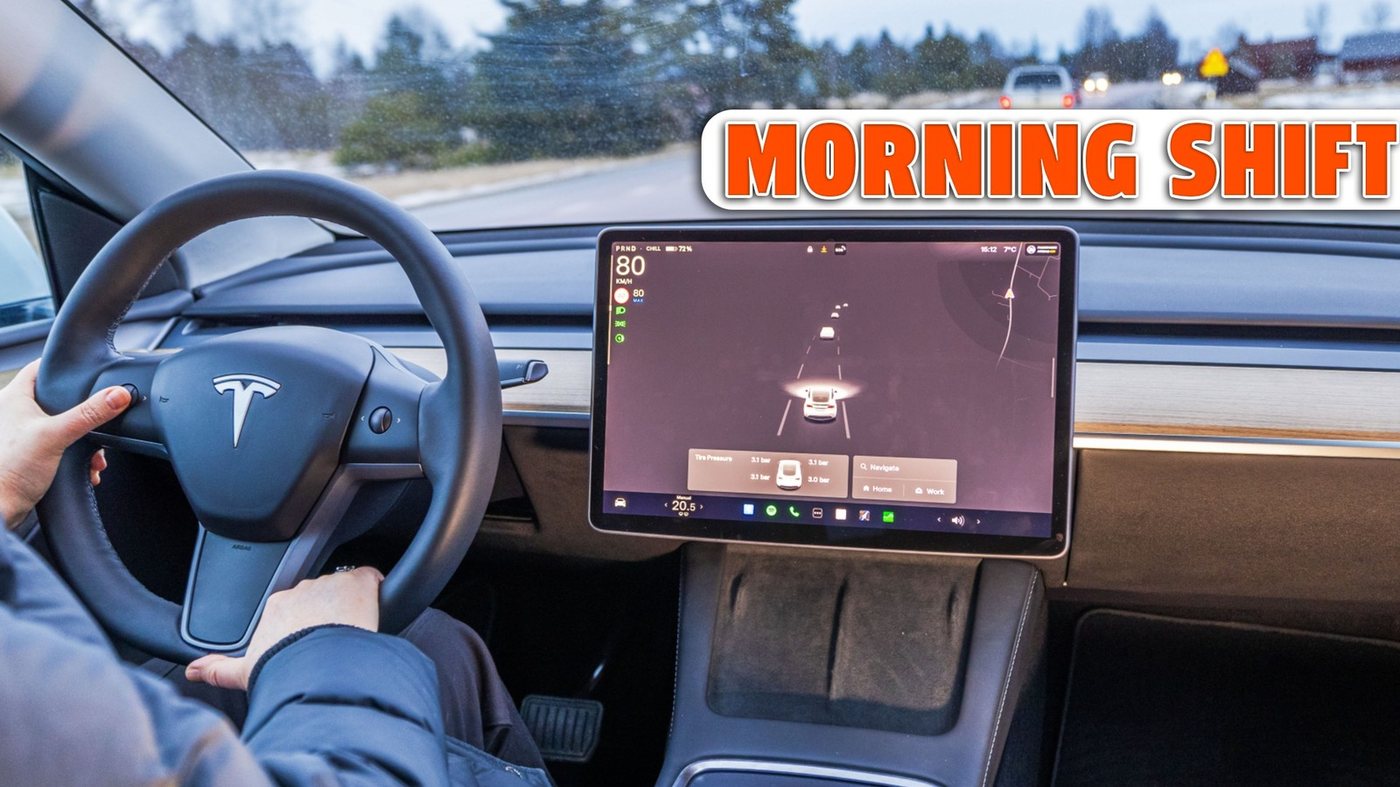
Tesla Renames Full Self-Driving to Assisted Driving Across Europe
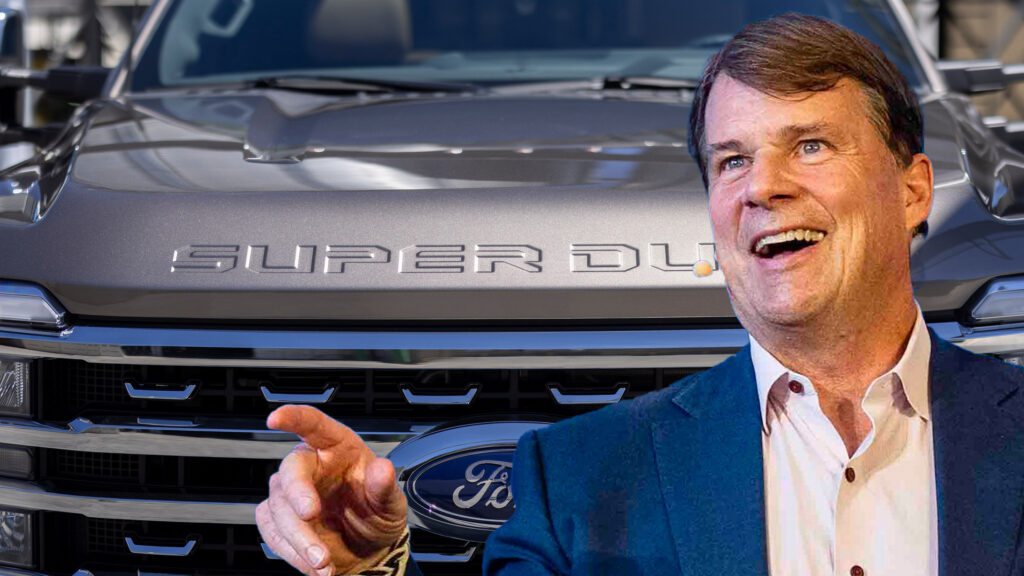
Ford chief executive Jim Farley has revealed that two-thirds of the company's industrial system leaders were replaced after the troubled 2023 Super Duty launch, as part of a quality-focused overhaul.
By Eleanor Ellington · 3 min read
Ford has replaced two-thirds of the leaders in its industrial system, manufacturing, supply chain, and engineering departments following the disastrous launch of the 2023 F-Series Super Duty pickup truck. Chief executive Jim Farley said the failed rollout served as a catalyst for change at the company, prompting a sweeping management overhaul and a renewed commitment to quality control.
Speaking with the Detroit Free Press, Farley explained that the company parted ways with managers who displayed an "it's good enough" mentality. The fifth-generation Super Duty, a critically important model for the brand, was plagued by software issues and semiconductor shortages that forced Ford to park thousands of nearly finished trucks in lots across the United States until they could be repaired and shipped to dealerships.
Farley said the company has since recruited hundreds of new leaders and introduced changes designed to encourage better collaboration across its divisions. He described a cultural shift from finger-pointing to problem-solving as transformative. When workers now report an issue, Ford immediately addresses it and works to identify the root cause rather than pushing the problem downstream.
"In the past, we would have released that and it would go to the dealers, and then we would have recalls," Farley told the Detroit Free Press. "We didn't want to pass along any of the problems to the customer. It sounds very simple. But it's not because that means that we had to slow production down. We had to delay vehicle launches. We had to take the pain at the company to do that. It was very hard to do that."
The changes are already showing results. Ford was recently ranked number one among mainstream brands in JD Power's Initial Quality Survey, a significant achievement for a company that has frequently led the industry in recall numbers. However, Ford still tops the industry in recalls this year, and analysts caution that sustained improvement will be necessary to match rivals such as Toyota.
"The real challenge is executing high-quality new-vehicle launches and production over a period of five, 10, 15 years," said Karl Brauer, executive analyst at iSeeCars. "That's what Toyota has done — created a reputation for high-quality cars based on decades of producing long-lasting vehicles that suffer minimal post-purchase issues."
Farley acknowledged that the quality push has required difficult trade-offs, including slower production and delayed vehicle launches. He said the company chose to absorb those costs rather than pass problems on to customers, a decision he described as painful but necessary. The long-term goal, he said, is to build a reputation for reliability that can compete with the best in the industry over the coming decades.
56