

Business 194
Audi RS5 Orders Nearly Double Expectations as 2026 Allocation Sells Out
In this issue
Business 194
Audi RS5 Orders Nearly Double Expectations as 2026 Allocation Sells Out
Culture 214
Callaway Turbocharged 1985 Volkswagen GTI with BBS Body Kit Listed at No Reserve
Economy 37
Russia's EV Share Overtakes US as Fuel Shortages Bite
News 148
California Grants Three-Day Return Right on Used Cars
Politics 110
Trump Urges Republicans to Vote by Mail After Years of Criticising the Practice
Sports 262
West Ham United to Host Queens Park Rangers in October 2026 Championship Fixture
Technology 249
BMW Builds One-Off M5 Touring Police Car With 717bhp Hybrid V8
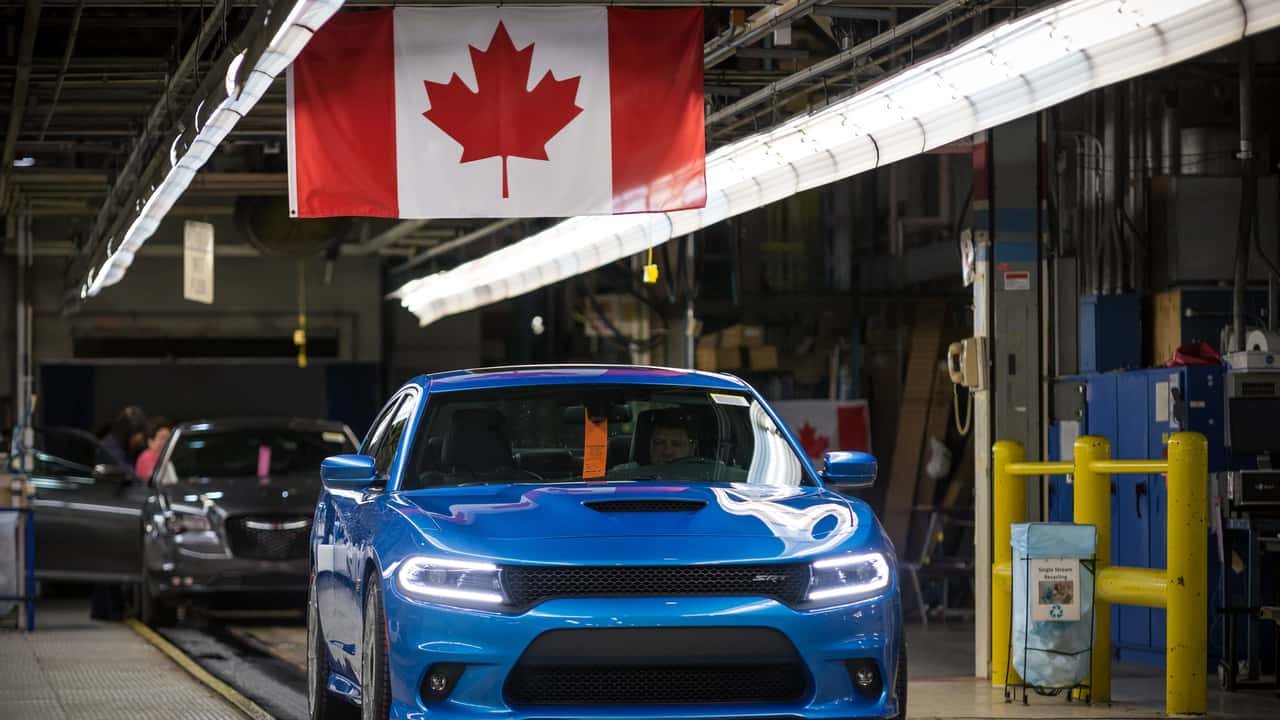
Automakers on both sides of the border face 50% tariffs on roughly $20 billion in Canadian exports after light and heavy vehicle rules derailed the US–Canada trade agreement.
By Eleanor Ellington · 6 min read
The US–Canada trade deal has collapsed after negotiators failed to bridge differences over vehicle rules, leaving automakers on both sides of the border facing 50% tariffs on roughly $20 billion in Canadian exports. The breakdown, triggered by disputes over light and heavy vehicle regulations, marks a significant escalation in cross-border trade tensions and threatens to disrupt supply chains that have been integrated for decades.
At the heart of the impasse are conflicting standards for light and heavy vehicles. Canadian negotiators pushed for exemptions and transition periods that would protect its automotive manufacturing sector, while US officials insisted on stricter compliance with American regulatory frameworks. The failure to reconcile these positions has now resulted in punitive tariffs that will hit a wide range of vehicles and components shipped from Canada to the US.
The tariffs, set at 50%, are expected to raise costs for consumers and manufacturers alike. Industry analysts warn that the additional duties could add thousands of dollars to the price of new vehicles, particularly for models assembled in Canada and sold in the US market. The affected exports, valued at approximately $20 billion annually, include passenger cars, pickup trucks, and commercial vehicles, as well as parts and components used in final assembly.
Automakers have reacted with alarm, noting that the integrated nature of North American production means the tariffs will ripple through factories on both sides of the border. Many vehicles assembled in Canada rely on US-made engines, transmissions, and electronics, while US plants depend on Canadian steel, aluminum, and finished vehicles. The new duties threaten to disrupt just-in-time supply chains and could lead to production slowdowns or temporary plant closures.
The collapse of the deal represents a major setback for trade relations between the two countries, which have enjoyed one of the world’s largest bilateral trading relationships. The automotive sector alone accounts for tens of billions of dollars in annual cross-border trade, and the new tariffs could undermine the competitive position of North American manufacturers against rivals in Asia and Europe.
Negotiators had been working for months to finalise a revised agreement that would modernise rules of origin and address new challenges such as electric vehicles and digital trade. However, the vehicle-specific disputes proved insurmountable, with both sides unwilling to concede ground on regulatory standards. Canadian officials have expressed disappointment, arguing that the US position fails to recognise the unique circumstances of Canada’s automotive industry, which is heavily integrated with US production.
The US administration, for its part, has framed the tariffs as a necessary measure to protect American manufacturing and ensure fair competition. Officials argue that Canadian regulations on vehicle safety and emissions diverge from US standards, creating an uneven playing field. They have signalled that the tariffs will remain in place until Canada agrees to align its rules with US requirements.
Business groups on both sides of the border have urged the two governments to return to the negotiating table, warning that prolonged tariffs could cause lasting damage to the North American automotive industry. The Canadian Chamber of Commerce called the collapse «a serious blow» to economic stability, while the American Automotive Policy Council said the tariffs would «harm consumers, workers, and the competitiveness of the entire region».
The immediate impact is already being felt. Several automakers have announced they are reviewing their production plans, and some have warned of potential price increases for popular models. Dealerships in border states may see reduced inventory, and consumers could face longer wait times for certain vehicles. The uncertainty has also weighed on financial markets, with shares of major automakers and parts suppliers dipping in response to the news.
Trade experts note that the collapse of the deal is unusual, given the long history of cooperation between the US and Canada on automotive trade. The two countries have shared production standards and tariff-free access for vehicles since the 1965 Auto Pact, and later under NAFTA and the USMCA. The current dispute marks a rare rupture in that relationship, raising questions about the future of North American trade policy.
Both governments have left the door open for further talks, but no new negotiations have been scheduled. In the meantime, the 50% tariffs are set to take effect, and automakers are bracing for the financial impact. The coming weeks will be critical in determining whether a compromise can be reached or whether the tariffs become a long-term feature of the US–Canada trade landscape.
48