
Business 196
Porsche Raises Manthey Stake to 67% and Plans Two Anniversary Models
In this issue
Business 196
Porsche Raises Manthey Stake to 67% and Plans Two Anniversary Models
Culture 215
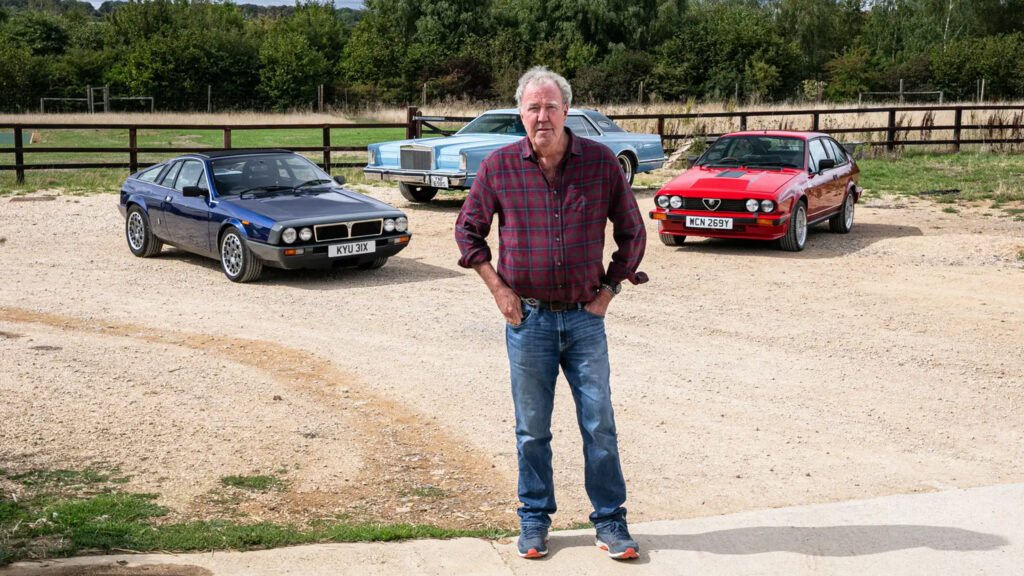
Jeremy Clarkson to Auction Three Grand Tour Cars
Economy 37
Russia's EV Share Overtakes US as Fuel Shortages Bite
News 148
California Grants Three-Day Return Right on Used Cars
Politics 110
Trump Urges Republicans to Vote by Mail After Years of Criticising the Practice
Sports 262
West Ham United to Host Queens Park Rangers in October 2026 Championship Fixture
Technology 249
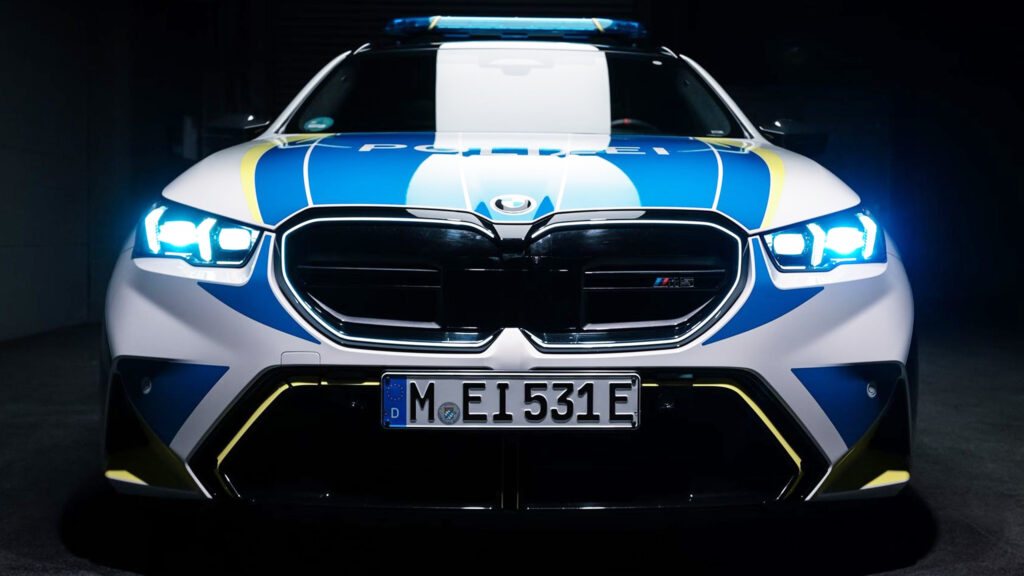
BMW Builds One-Off M5 Touring Police Car With 717bhp Hybrid V8
American motorists are continuing to avoid electric vehicles even as fuel prices climb, with slow sales of large trucks and luxury SUVs compounding the problem for manufacturers.
By Eleanor Ellington · 4 min read
American car buyers are still turning their backs on electric vehicles, even as petrol prices remain high enough to make running a conventional car more expensive. The reluctance is not confined to one segment of the market: sales of large trucks and luxury SUVs are also sluggish, leaving manufacturers with a challenging landscape across their most profitable lines.
The dynamic runs counter to a common assumption in the industry that rising fuel costs would naturally push consumers towards battery-powered alternatives. Instead, the data suggests that factors beyond the pump price are shaping purchasing decisions. Concerns about charging infrastructure, range anxiety, and the upfront cost of electric models appear to be weighing more heavily than the potential savings at the filling station.
For carmakers that have invested billions in electrification, the slow uptake represents a significant commercial problem. Production lines designed for electric models are running below capacity, while the traditional large vehicles that generate much of the industry's profit are also losing momentum. The combination leaves little room for complacency.
The picture is further complicated by regulatory developments. Exemptions have been introduced for autonomous tractor trailers, a niche but potentially significant category that sits at the intersection of transport policy and emerging technology. Such carve-outs may have implications for how emissions rules are applied across different classes of vehicle, though their immediate effect on consumer EV adoption is likely to be limited.
Among the companies feeling the pressure is Polestar, the electric performance brand. Its latest sales figures have been described as ominous, a signal that even well-established EV-only marques are struggling to attract buyers in the current climate. The brand has positioned itself as a premium alternative, but premium pricing may be a hard sell when consumers are already hesitant about the technology.
The broader trend raises questions about the pace of the transition to electric mobility in the United States. While government incentives and manufacturer discounts have sought to stimulate demand, the response has been muted. Dealers report that customers are interested in the idea of electric cars but often defer purchase, citing practical concerns that have yet to be fully resolved.
High petrol prices, once seen as the strongest argument for going electric, have not proved decisive. This suggests that the decision to buy an EV is driven by a more complex set of considerations, including lifestyle, available charging options, and confidence in resale values. Until those issues are addressed, the American market may continue to lag behind expectations.
For an industry in the midst of a costly transformation, the message from showrooms is uncomfortable. The appetite for electric vehicles is not growing at the speed that investment plans assume. Unless that changes, manufacturers face the prospect of stranded capacity and missed targets, even as the case for electrification remains strong on environmental and long-term economic grounds.
6