Business 200
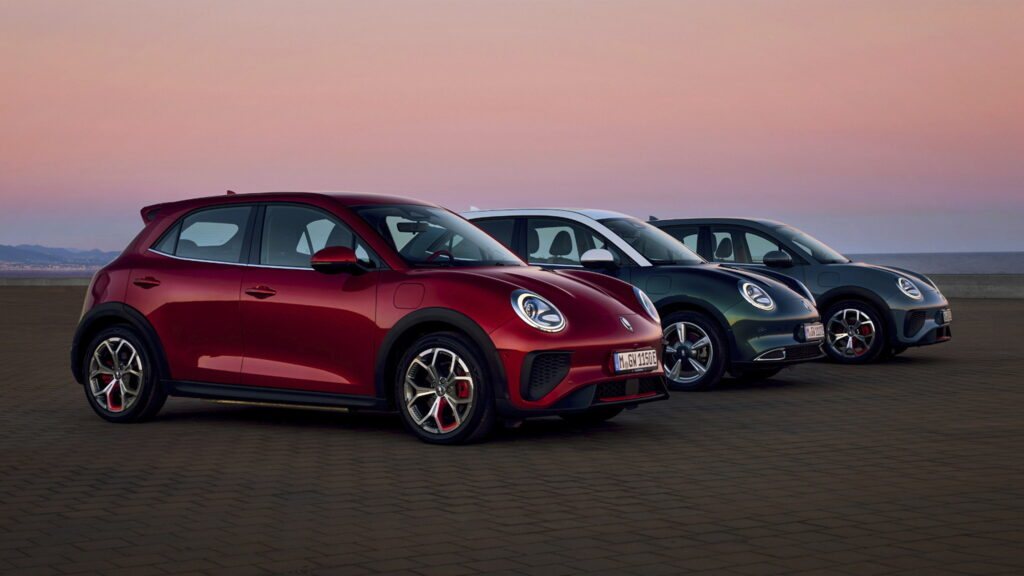
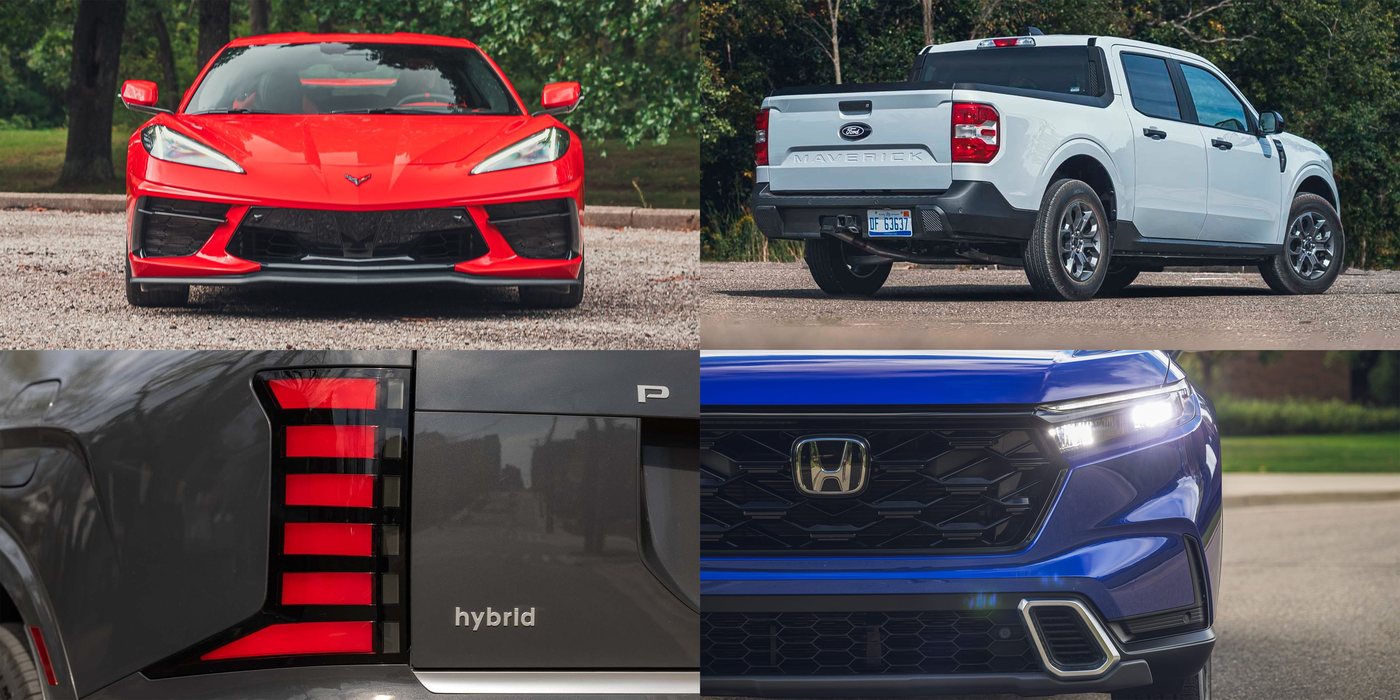
Hybrids Beat Petrol on Running Costs Across Most Popular Models, Review Finds
In this issue
Business 200
Hybrids Beat Petrol on Running Costs Across Most Popular Models, Review Finds
Culture 218
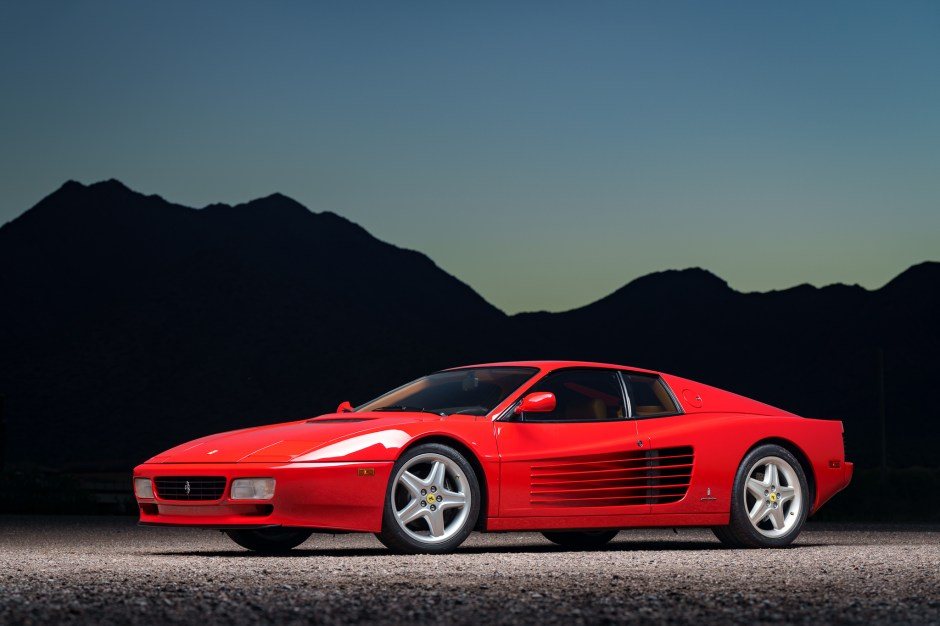
1993 Ferrari 512 TR Offered in Arizona with $61k in Recent Work
Economy 37
Russia's EV Share Overtakes US as Fuel Shortages Bite
News 149
Weekly Exercise Linked to Slower Memory and Movement Decline in Parkinson's Patie…
Politics 110
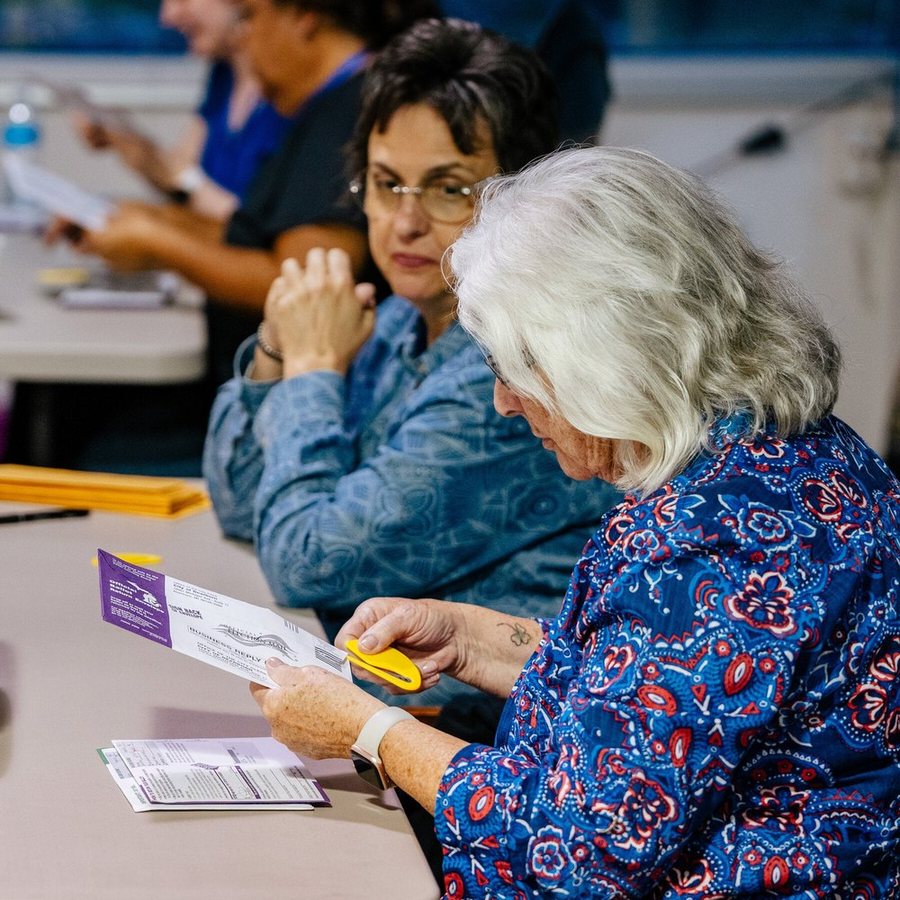
Trump Urges Republicans to Vote by Mail After Years of Criticising the Practice
Sports 263
Manchester City Appeal Against Premier League Verdict as Sanctions Loom
Technology 253
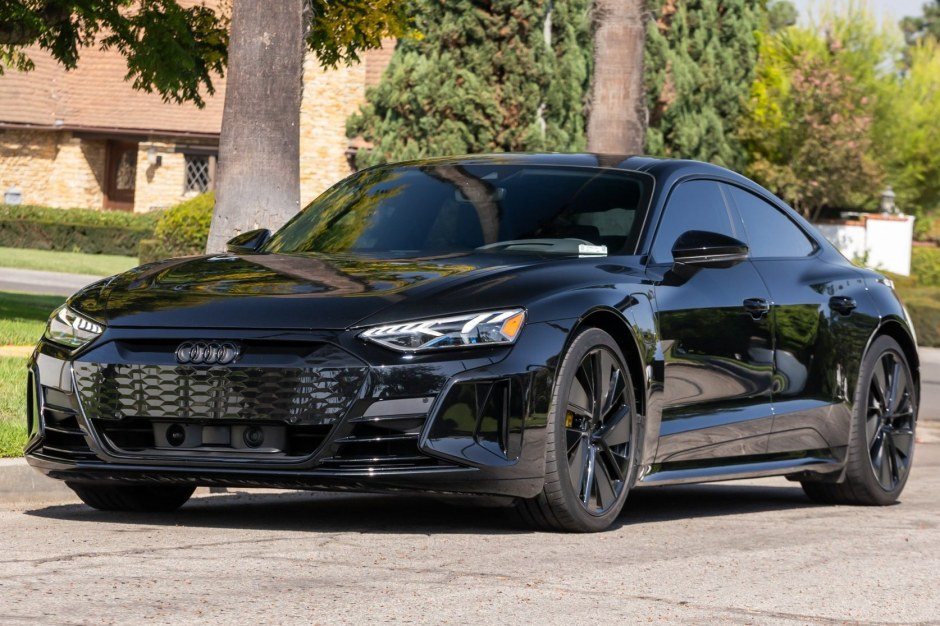
Audi e-tron GT Quattro Prestige: 469bhp Electric Grand Tourer Listed for Sale
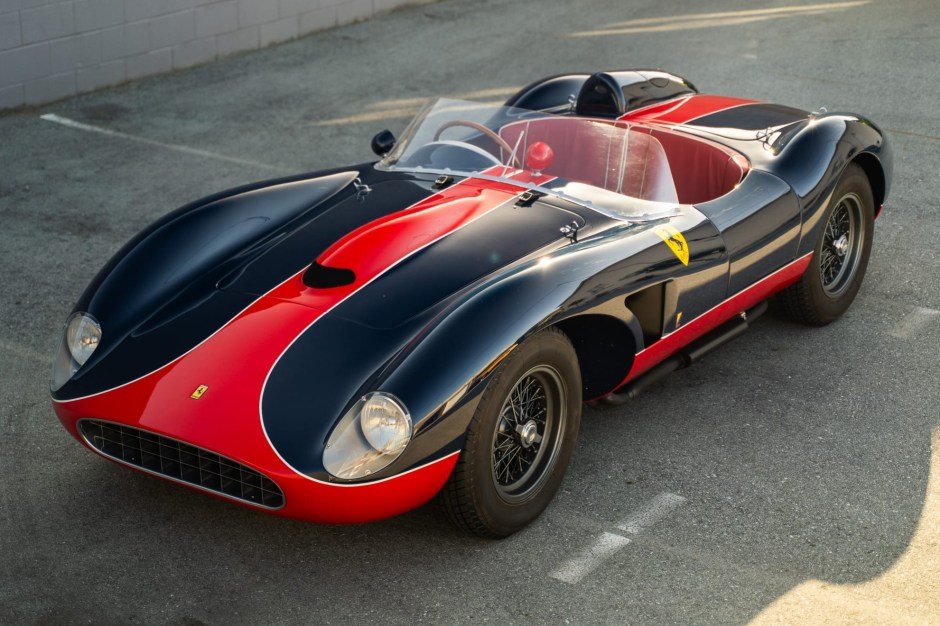
A 1980s aluminium-bodied re-creation of Ferrari's 250 Testa Rossa, built by DK Engineering on a shortened 250 GTE chassis and refurbished in 2016, is offered with a clean California title listing it as a 1961 Ferrari.
By George Kensington · 4 min read
A re-creation of Ferrari's 250 Testa Rossa, built in the 1980s by the British specialist DK Engineering, has been offered for sale with a clean California title listing it as a 1961 Ferrari. The car is based on the shortened chassis of a 1961 Ferrari 250 GTE and wears aluminium coachwork styled after the early enveloped bodywork of Ferrari's factory 250 TR prototype.
The seller acquired the car in 2016 and subsequently commissioned a refurbishment. That work included a colour change to blue with red and white accents, replacing the previous red finish, and a refresh of the interior in red leather upholstery with white piping. Photographs documenting various stages of the 2016 refurbishment accompany the sale.
Power comes from a 3.0-litre Colombo V12 sourced from the donor 250 GTE. It is equipped with six dual-throat Weber carburettors, each topped by a pair of intake trumpets, along with red-painted valve covers and twin distributors. Dual electric cooling fans were installed during the refurbishment. A four-speed manual transmission sends drive to the rear wheels, and a replacement dual exhaust system with quadruple outlets was fitted under current ownership.
The car rides on 16-inch Borrani knock-off wire wheels and is further equipped with four-wheel disc brakes, coil-spring suspension and a riveted aluminium fuel tank. The brakes were disassembled and serviced in 2016. A spare wheel wrapped in Dunlop rubber is housed in the rear compartment atop the fuel tank.
The right-hand-drive cockpit seats two and was refreshed under current ownership with replacement interior panels, seat pans and red leather upholstery. Sabelt latch-and-link lap belts are fitted for both occupants, and the floors are lined with sound-deadening material beneath black carpets with red bindings. Additional appointments include a polished shift knob, a diamond-stitched central tunnel cover and a bullet-style dash-mounted rearview mirror. A wood-rimmed Nardi steering wheel fronts a central 10,000-rpm Jaeger tachometer flanked by Ferrari-branded gauges monitoring voltage, oil pressure, coolant temperature and fuel level. The car has no odometer, and true chassis mileage is unknown.
Exterior details include a headrest fairing through which the fuel filler cap is accessed, faired-in Marchal headlights, a wrap-around windscreen, a ventilated hood bulge and a right-side mirror. Scuderia Ferrari-style decals are adhered to the front fenders, while Carrozzeria Scaglietti badging sits adjacent to the trapezoidal fender vents. The Borrani wire wheels are secured by three-eared knock-offs and wear 185/80 Michelin Pilote X tyres.
The 250 Testa Rossa, known as the «red head», was developed from the spring of 1957 as Ferrari sought a successor to the 500 TRC ahead of lower displacement limits soon to be imposed by the Commissione Sportiva Internazionale. The first prototype was assembled on a 290 MM chassis with an enveloped body and power from Ferrari's Colombo V12. That original prototype, chassis 0666, was rebodied in late 1957 with pontoon-fendered coachwork designed to improve brake cooling.
This re-creation's aluminium body takes its inspiration from the enveloped styling initially worn by chassis 0666 and is said to have been constructed in the 1980s by DK Engineering. It was previously finished in red and underwent bodywork before the 2016 colour change. The car is now offered with refurbishment photos and a clean California title in the seller's name listing it as a 1961 Ferrari.
10