
Business 110
Dacia CEO Urges EU to Freeze Small Car Rules to Cut Prices
In this issue
Business 110
Dacia CEO Urges EU to Freeze Small Car Rules to Cut Prices
Culture 89
1988 Porsche 911 Carrera Targa G50 with Rebuilt Engine Heads to Auction
Economy 30
HMRC is writing to low earners about pension top-ups averaging about £70
News 124
Aftermarket Trackers Recover 99% of Stolen Cars as Factory Systems Fail
Politics 104
Met police open inquiry into alleged foreign donations to Reform UK
Sports 230
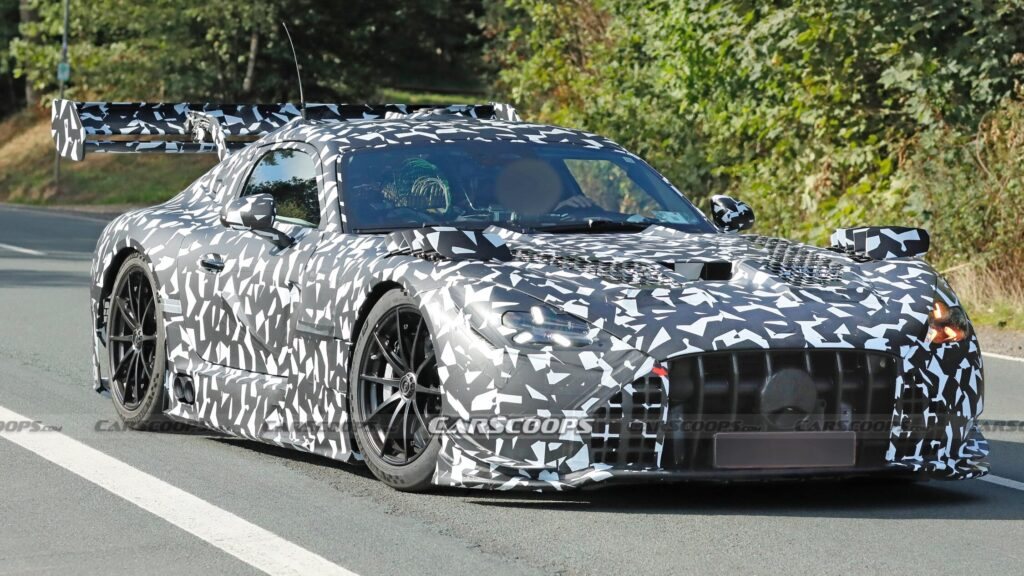
AMG GT Black Series Spied With Radical Aero Ahead of Nürburgring Record Attempt
Technology 117
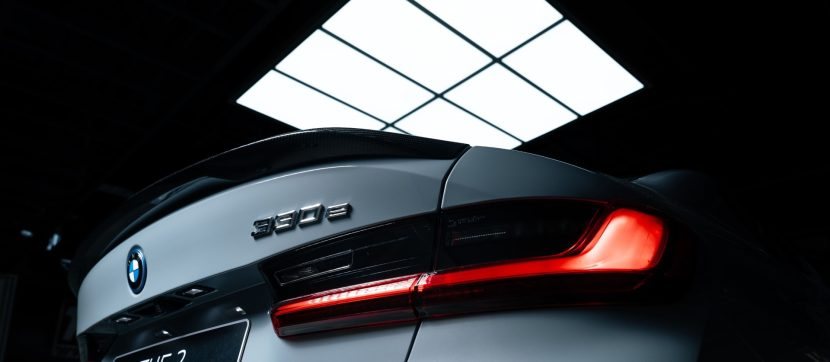
BMW Confirms Next 3 Series Will Retain Plug-In Hybrid Power
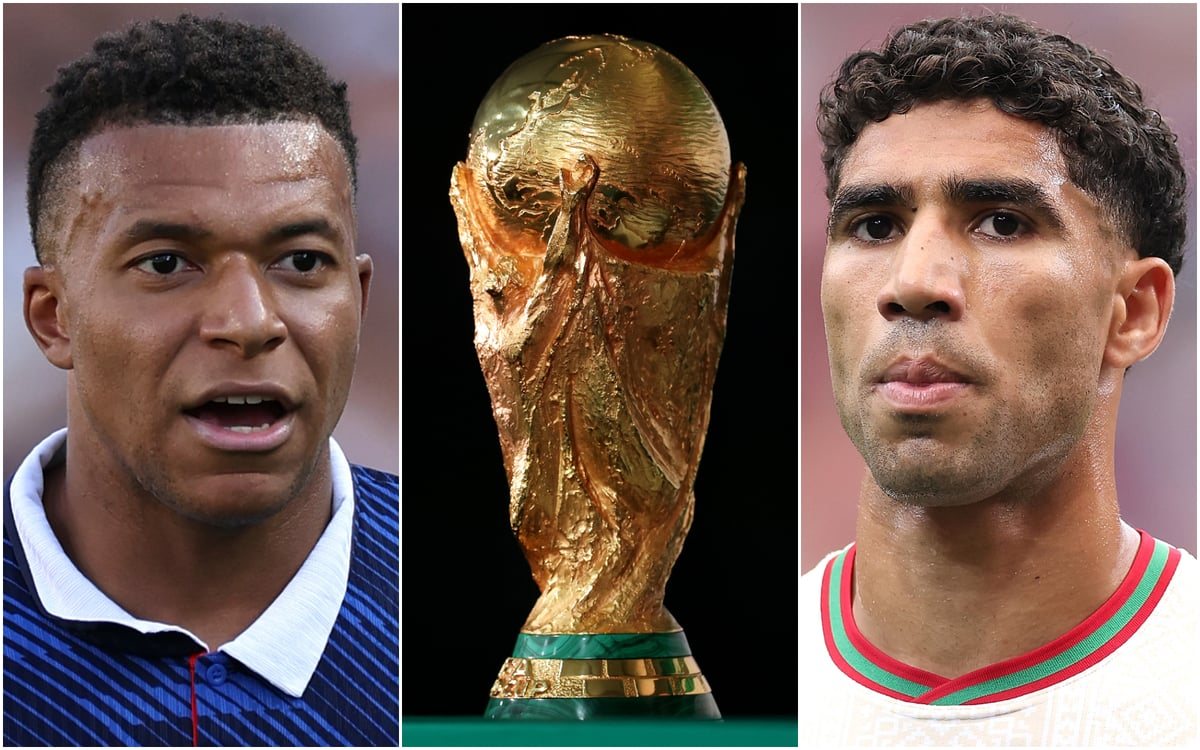
France and Morocco meet in the first quarter-final of the 2026 World Cup, a rematch of the 2022 semi-final, with French police on high alert for potential unrest.
By Eleanor Ellington · 4 min read
France and Morocco are set to face off in the first quarter-final of the 2026 FIFA World Cup, renewing a rivalry that has grown increasingly charged since their memorable encounter at the previous tournament. The match, which pits the beaten finalists from 2022 against the reigning African champions, carries significant sporting and symbolic weight for both nations.
For France, the fixture represents an opportunity to continue their quest for a third World Cup title, having reached the final in Qatar three years ago only to lose to Argentina on penalties. Under the guidance of manager Didier Deschamps, Les Bleus have maintained a reputation as one of the most formidable sides in international football, blending experienced stars with emerging talent. Their path to the quarter-finals has been marked by disciplined performances, though they have faced criticism at times for a lack of fluency in attack.
Morocco, meanwhile, arrive as the first African team ever to reach the semi-finals of a World Cup, a feat they achieved in 2022 by defeating Belgium, Spain, and Portugal before narrowly losing to France in the last four. That run captivated the continent and elevated the profile of Moroccan football globally. Under head coach Walid Regragui, the Atlas Lions have built on that success, qualifying for the 2026 knockout stages with a blend of defensive solidity and counter-attacking flair. Their quarter-final appearance confirms their status as a rising force in the sport.
The match also carries significant off-field implications, particularly in France, which is home to a large diaspora of Moroccan origin. French authorities have been preparing for the fixture with heightened security measures, mindful of the tensions that have accompanied previous meetings between the two sides. In 2022, celebrations and protests in several French cities led to clashes between fans and police, prompting authorities to deploy extra officers this time around. Reports indicate that law enforcement is particularly concerned about potential unrest should Morocco secure a victory, given the emotional stakes for many dual-nationality supporters.
From a tactical perspective, the quarter-final is expected to be a tightly contested affair. France will likely look to control possession and exploit the pace of their forwards, while Morocco are expected to rely on their well-organised defence and quick transitions. Key battles in midfield could prove decisive, with both teams possessing players capable of dictating the tempo. The fitness of several players has been a topic of discussion in the build-up, though both camps have expressed confidence in their squads.
The match also underscores the broader narrative of African football's progress on the world stage. Morocco's success has inspired other nations from the continent, and a victory over France would further cement their place among the global elite. For France, defeat would represent a major setback after years of dominance, while victory would keep alive hopes of a third star on the shirt.
Kick-off is scheduled for later today, with the winner advancing to the semi-finals to face the victor of the other quarter-final ties. Fans around the world will be watching closely as two teams with contrasting histories but shared ambitions collide in what promises to be a compelling encounter.