

Business 110
Dacia CEO Urges EU to Freeze Small Car Rules to Cut Prices
In this issue
Business 110
Dacia CEO Urges EU to Freeze Small Car Rules to Cut Prices
Culture 89
1988 Porsche 911 Carrera Targa G50 with Rebuilt Engine Heads to Auction
Economy 30
HMRC is writing to low earners about pension top-ups averaging about £70
News 124
Aftermarket Trackers Recover 99% of Stolen Cars as Factory Systems Fail
Politics 104
Met police open inquiry into alleged foreign donations to Reform UK
Sports 230
AMG GT Black Series Spied With Radical Aero Ahead of Nürburgring Record Attempt
Technology 117
BMW Confirms Next 3 Series Will Retain Plug-In Hybrid Power
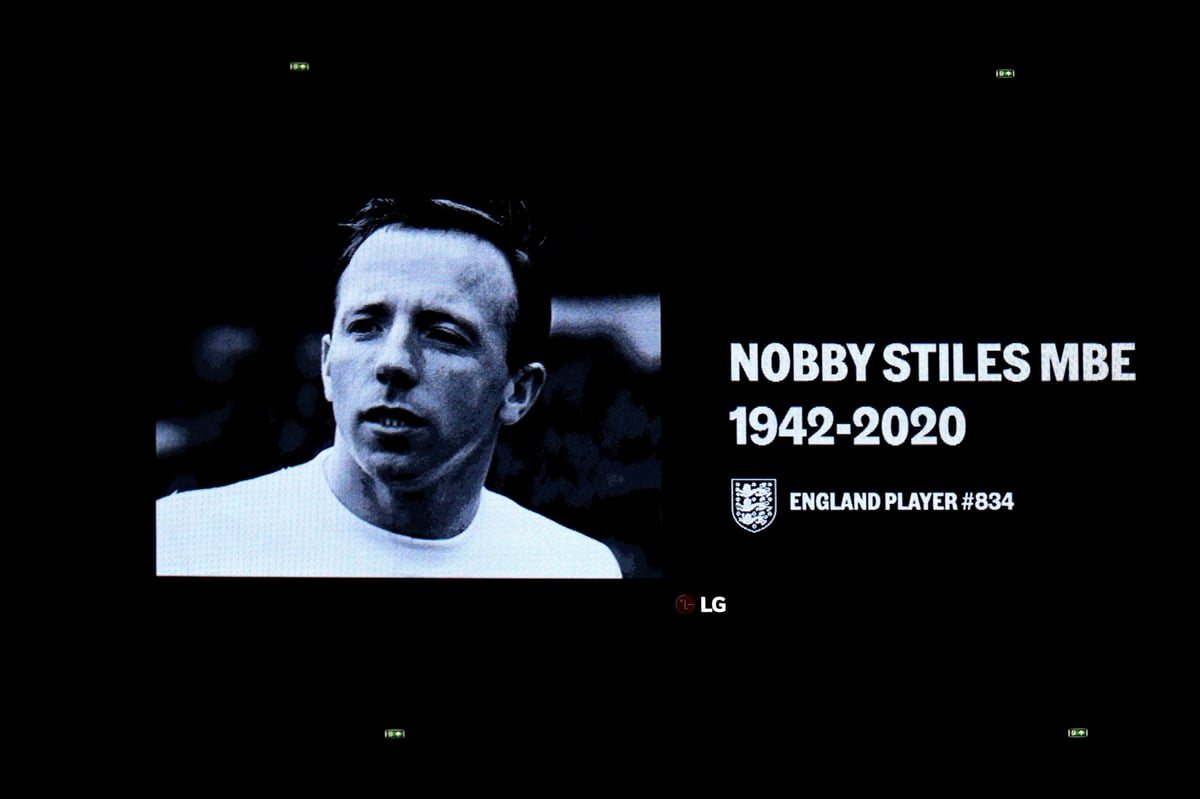
A coroner has ruled that England World Cup winner Nobby Stiles died with a brain condition caused by repeatedly heading a football, estimating he headed the ball around 140,000 times during his career.
By Eleanor Ellington · 6 min read
A coroner has ruled that the death of England World Cup winner Nobby Stiles was linked to repeatedly heading a football, a finding that has reignited debate over the long-term risks of the practice in professional football. Stiles, who died at the age of 78 in October 2020, suffered from severe dementia and chronic traumatic encephalopathy (CTE), a brain condition associated with repeated head trauma.
At an inquest held at Stockport Coroner's Court, neuropathology expert Dr Daniel Du Plessis told the court that Stiles had headed a football approximately 140,000 times during his playing career. Dr Du Plessis stated: “I’m quite convinced his heading the football that many times has caused his CTE.” Senior coroner Alison Mutch asked Dr Du Plessis directly whether repeated heading of the ball was the cause of the CTE, to which he replied: “Yes.”
Stiles, born in Collyhurst, Manchester in 1942, was a tough-tackling defensive midfielder who earned 28 caps for England. He is best remembered as a key member of the England team that won the 1966 World Cup, and he also enjoyed a distinguished career at Manchester United, where he won the European Cup in 1968. His playing style was characterised by tenacity and physicality, but the inquest has now highlighted the potential long-term consequences of the repeated impacts to the head that were a routine part of the game during his era.
The coroner's ruling adds to a growing body of evidence linking football-related head trauma to neurodegenerative diseases. In recent years, several high-profile former footballers have been diagnosed with dementia or other brain conditions, prompting calls for greater safety measures. The Football Association (FA) has faced increasing pressure to review guidelines on heading, particularly at youth levels, and the coroner has indicated she plans to write to the FA about the dangers of heading.
Stiles' family have previously spoken about his struggle with dementia, describing how the disease robbed him of his memories of his playing days. His son, John Stiles, has been an advocate for greater awareness of the risks associated with heading. The inquest heard that Stiles' severe dementia was a result of both Alzheimer's disease and CTE, with the latter directly linked to his repeated heading of the ball.
The case is part of a wider pattern of concern within football. A 2019 study by the University of Glasgow found that former professional footballers were three and a half times more likely to die from neurodegenerative diseases than the general population. The study, which analysed the health records of over 7,600 former players, concluded that the risk of Alzheimer's disease, motor neurone disease, and Parkinson's disease was significantly elevated among those who had played professionally.
In response to such findings, the FA introduced new heading guidance for youth football in 2021, limiting the number of headers in training for children under the age of 12. However, critics argue that more needs to be done to protect players at all levels. The coroner's ruling in the Stiles case is expected to intensify calls for a ban on heading in professional football or for stricter limits on the number of headers players can perform during matches and training.
The inquest also heard that Stiles' brain was examined post-mortem by experts who confirmed the presence of CTE. Dr Du Plessis explained that CTE is caused by repetitive head impacts and can lead to progressive cognitive decline, memory loss, and behavioural changes. While heading a football is not the only source of head trauma in football — collisions and falls also contribute — the frequency of heading in Stiles' career was deemed a significant factor.
Stiles' legacy as a footballer remains intact, but the circumstances of his death have cast a shadow over the sport. The coroner's ruling is not a legal finding of liability but rather a medical conclusion about the cause of his brain condition. Nevertheless, it is likely to have far-reaching implications for how football authorities and clubs approach player welfare.
The case has drawn comparisons to similar findings in other contact sports, particularly American football and boxing, where CTE has been widely documented. In football, the issue has gained prominence following the deaths of other former players, including West Bromwich Albion legend Jeff Astle, whose death in 2002 was linked to heading footballs. Astle's family campaigned for years for greater recognition of the risks, and his case helped spur research into the link between heading and brain injury.
As the inquest concluded, the coroner expressed her intention to write to the FA to highlight the dangers of heading. The FA has stated that it takes the issue seriously and continues to review its policies based on the latest scientific evidence. For the Stiles family, the ruling provides some clarity but also underscores the need for ongoing vigilance.