
Business 110
Dacia CEO Urges EU to Freeze Small Car Rules to Cut Prices
In this issue
Business 110
Dacia CEO Urges EU to Freeze Small Car Rules to Cut Prices
Culture 89
1988 Porsche 911 Carrera Targa G50 with Rebuilt Engine Heads to Auction
Economy 30
HMRC is writing to low earners about pension top-ups averaging about £70
News 124
Aftermarket Trackers Recover 99% of Stolen Cars as Factory Systems Fail
Politics 104
Met police open inquiry into alleged foreign donations to Reform UK
Sports 230
AMG GT Black Series Spied With Radical Aero Ahead of Nürburgring Record Attempt
Technology 117
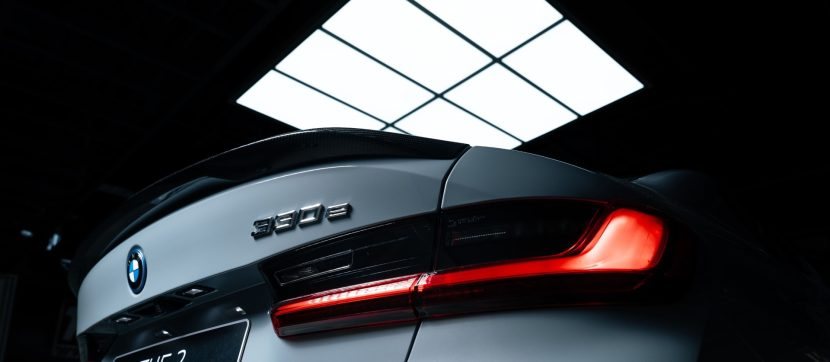
BMW Confirms Next 3 Series Will Retain Plug-In Hybrid Power
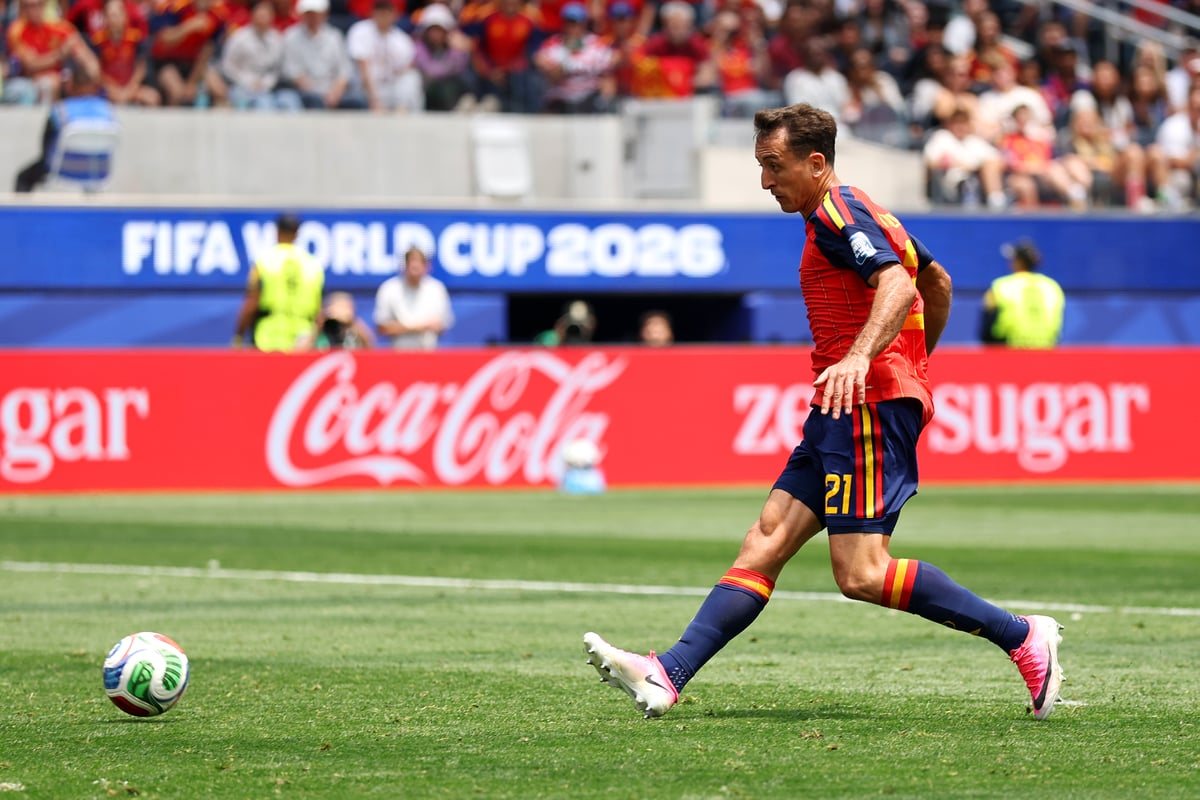
Mikel Oyarzabal scored twice and Pedro Porro added a header as Spain beat Austria 3-0 in Los Angeles to secure their place in the round of 16 of the 2026 World Cup.
By Eleanor Ellington · 5 min read
Spain delivered a commanding performance in Los Angeles on Thursday, defeating Austria 3-0 to book their place in the last 16 of the 2026 World Cup. The European champions, who have been steadily improving as the tournament progresses, produced their most complete display yet at the Rose Bowl, with Mikel Oyarzabal scoring either side of Pedro Porro's first international goal.
The victory ensures Spain finish second in Group B behind Brazil, who topped the group with a perfect record. Austria, who had shown resilience in the group stage, were unable to cope with Spain's fluid attacking movement and defensive solidity. The result means Austria exit the tournament at the first knockout stage, while Spain advance to face a yet-to-be-determined opponent in the round of 16.
From the opening whistle, Spain imposed their trademark possession-based style, controlling the tempo and creating early chances. Lamine Yamal tested Austria goalkeeper Alexander Schlager inside the first minute with a sharp low drive from 20 yards after a swift counter-attack, setting the tone for a dominant first half. Spain's pressing forced Austria into repeated errors, and the breakthrough came midway through the first period when Oyarzabal latched onto a precise through ball from Pedri and slotted calmly past Schlager.
Oyarzabal doubled Spain's lead just before half-time, capitalising on a defensive mix-up in the Austrian box. The Real Sociedad forward showed composure to steer the ball home from close range, giving Spain a comfortable cushion at the interval. Austria struggled to create clear-cut opportunities, with Spain's backline, marshalled by Aymeric Laporte and Robin Le Normand, remaining well organised throughout.
The second half followed a similar pattern, with Spain continuing to dominate possession and create chances. The third goal arrived in the 67th minute when Pedro Porro rose highest to meet a corner from Dani Olmo, powering a header past Schlager to score his first goal for his country. The Tottenham Hotspur full-back's strike effectively sealed the win and sparked celebrations among the Spanish contingent in the stadium.
Austria's best chance came late in the second half when substitute Michael Gregoritsch forced a save from Spain goalkeeper Unai Simón, but the Spanish defence held firm to secure a clean sheet. Manager Luis de la Fuente made several substitutions in the closing stages to preserve energy for the knockout rounds, with key players such as Rodri and Nico Williams given a rest.
Spain's performance marked a significant step up from their group-stage displays, where they had shown flashes of quality but lacked consistency. Against Austria, they combined technical precision with defensive discipline, suggesting they are growing into the tournament at the right time. The win also extended Spain's unbeaten run in competitive matches to 14 games, a streak that includes their triumph at Euro 2024.
For Austria, the defeat ends a promising campaign that saw them advance from a challenging group. Manager Ralf Rangnick will take encouragement from his side's resilience in earlier matches, but the gulf in class against Spain proved too wide to bridge. The Austrian players left the field to applause from their supporters, who acknowledged their efforts in reaching the knockout stage for the first time since 1978.
Spain will now await the outcome of other matches to learn their round-of-16 opponent. With the team hitting form at a crucial stage, they will be confident of progressing further in the tournament. The victory also reinforced Spain's reputation as a side that peaks during the latter stages of major competitions, a trait that served them well during their golden era between 2008 and 2012.
Attention now turns to the draw for the knockout phase, where Spain could face a familiar European rival or a surprise package from another confederation. Regardless of the opponent, De la Fuente's side have sent a clear message that they intend to challenge for the title. The performance against Austria will give Spanish fans reason to believe that their team can go deep into the tournament, building on the momentum generated by their Euro 2024 success.