
Business 110
Dacia CEO Urges EU to Freeze Small Car Rules to Cut Prices
In this issue
Business 110
Dacia CEO Urges EU to Freeze Small Car Rules to Cut Prices
Culture 89
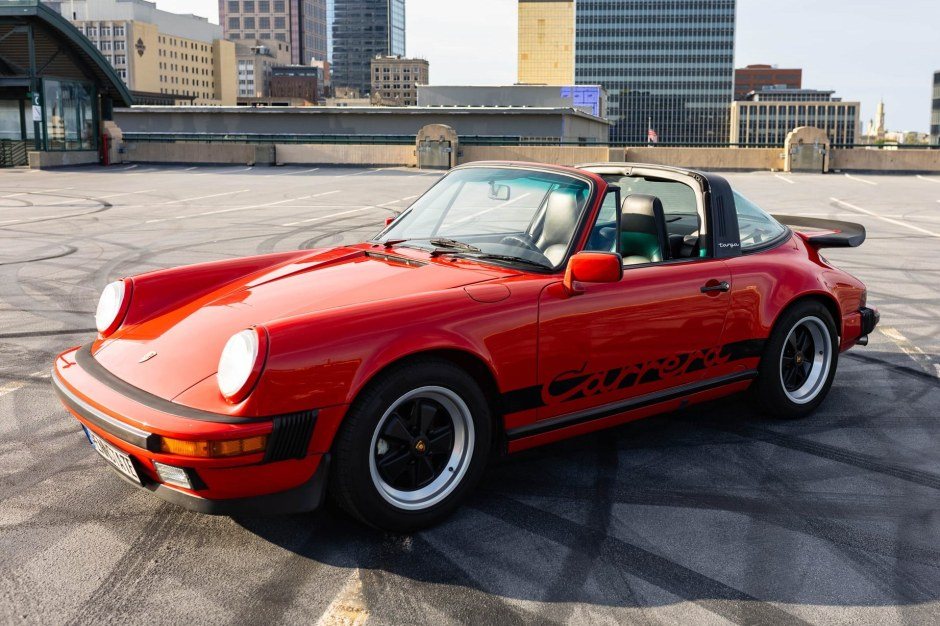
1988 Porsche 911 Carrera Targa G50 with Rebuilt Engine Heads to Auction
Economy 30
HMRC is writing to low earners about pension top-ups averaging about £70
News 124
Aftermarket Trackers Recover 99% of Stolen Cars as Factory Systems Fail
Politics 104
Met police open inquiry into alleged foreign donations to Reform UK
Sports 230
AMG GT Black Series Spied With Radical Aero Ahead of Nürburgring Record Attempt
Technology 117
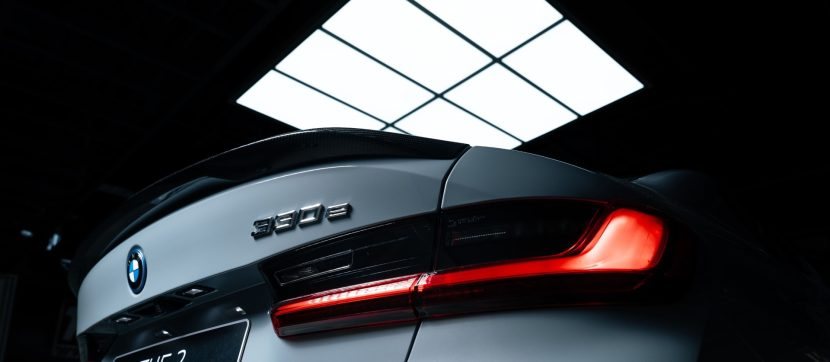
BMW Confirms Next 3 Series Will Retain Plug-In Hybrid Power
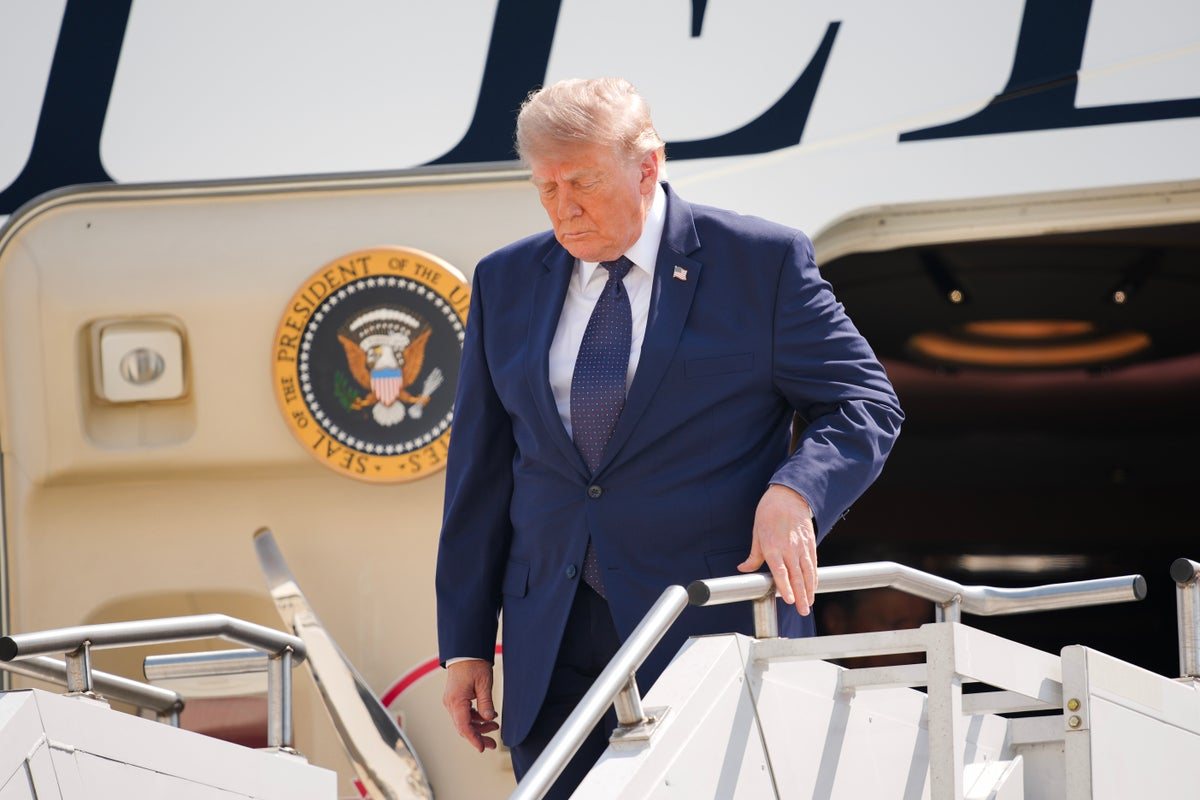
US President Donald Trump will personally present the World Cup trophy to the winning team at the 2026 final in New Jersey on Sunday, FIFA's president has confirmed. Spanish Prime Minister Pedro Sanchez will also attend the match, while organisers remain confident about the event proceeding despite wildfire smoke concerns.
By Eleanor Ellington · 5 min read
US President Donald Trump will personally present the World Cup trophy to the winning team at the 2026 final in New Jersey on Sunday, FIFA’s president has confirmed. The announcement comes as the tournament reaches its climax, with Spain set to face reigning champions Argentina at the MetLife Stadium in a highly anticipated showdown.
Trump’s attendance at the final marks a significant moment for the event, which is being co-hosted by the United States, Canada, and Mexico. The president is expected to take part in the trophy ceremony immediately after the match, handing the iconic golden prize to the victorious captain. FIFA president Gianni Infantino confirmed the arrangement in a statement, underscoring the close ties between the world football governing body and the US administration during this edition of the tournament.
Spanish Prime Minister Pedro Sanchez will also travel to New Jersey to watch his country take on the defending champions, his government confirmed on Friday. Sanchez, a vocal critic of Trump, will then continue to Algeria for an official visit following the match. The presence of both leaders highlights the global significance of the World Cup final, which is expected to draw a massive television audience and tens of thousands of fans to the stadium.
Organisers have expressed confidence that the final will proceed as planned, despite concerns over wildfire smoke that has affected air quality in parts of the northeastern United States in recent days. FIFA officials have been in discussions with local authorities and weather experts to monitor conditions, but as of Friday, no changes to the schedule were anticipated. The MetLife Stadium, located in East Rutherford, New Jersey, has been prepared for the event, with contingency plans in place should air quality deteriorate further.
The 2026 World Cup has been the first to feature 48 teams, expanding from the traditional 32, and has been praised for its competitive balance and high attendances. The final between Spain and Argentina represents a clash of two footballing powerhouses: Spain, known for their technical possession-based style, and Argentina, the reigning champions led by Lionel Messi, who has been a standout performer throughout the tournament. The match is expected to be a fitting conclusion to a month-long celebration of the sport.
Security around the final has been heightened, with federal, state, and local law enforcement agencies coordinating to ensure the safety of players, officials, and fans. The US Secret Service will be involved due to Trump’s presence, and additional measures have been implemented at transport hubs and around the stadium. Fans have been advised to arrive early and expect thorough checks at entry points.
The trophy presentation by a sitting US president is a rare occurrence in World Cup history. While previous American presidents have attended matches, including Bill Clinton at the 1994 final in Los Angeles, none have personally handed over the trophy. Trump’s role underscores the importance of the United States as a host nation and the growing profile of football in the country ahead of the 2026 tournament, which is being staged across North America.
FIFA has also faced logistical challenges related to the final, including managing the influx of international visitors and coordinating broadcast arrangements for a global audience estimated in the hundreds of millions. The organisation has praised the cooperation of US authorities in delivering what it describes as a seamless event. Meanwhile, fans from Spain and Argentina have been travelling to New Jersey in large numbers, with many planning to gather at designated fan zones in New York City and surrounding areas.
The match kicks off at 8 p.m. Eastern Time on Sunday, with weather forecasts predicting clear skies and moderate temperatures, easing earlier concerns about smoke. Both teams completed their final training sessions on Saturday, reporting no injury concerns. The stage is set for a historic final that will not only decide the world champion but also showcase the ability of the United States to host a major global sporting event under the spotlight of high-profile political attendance.