Business 112
Kia EV9 Discounts Reach $16,000 as Sales Fall 33%
In this issue
Business 112
Kia EV9 Discounts Reach $16,000 as Sales Fall 33%
Culture 89
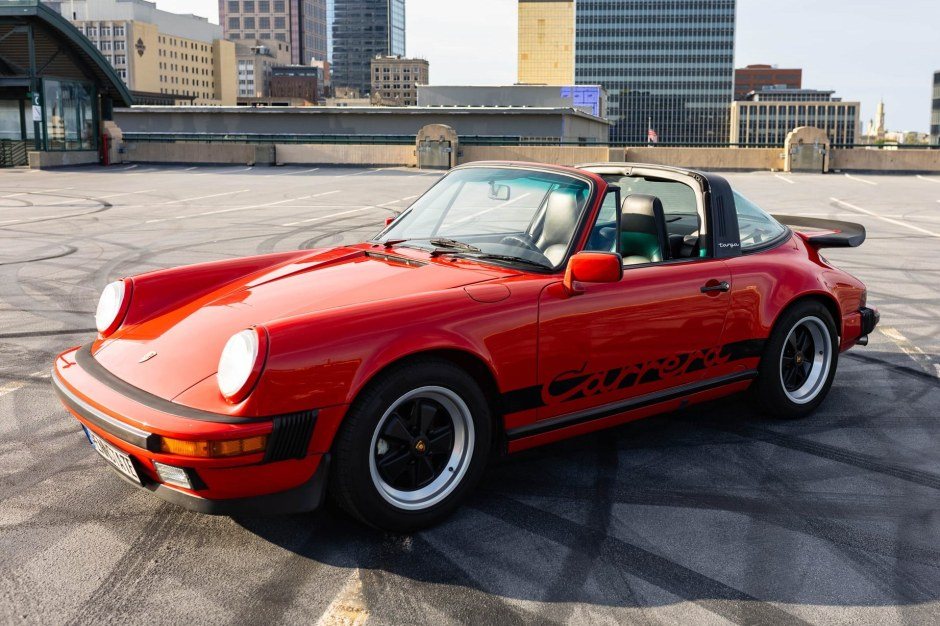
1988 Porsche 911 Carrera Targa G50 with Rebuilt Engine Heads to Auction
Economy 30
HMRC is writing to low earners about pension top-ups averaging about £70
News 124
Aftermarket Trackers Recover 99% of Stolen Cars as Factory Systems Fail
Politics 105
Reform UK's Welsh Leader Dan Thomas Resigns After Arrest on Suspicion of Assault
Sports 231
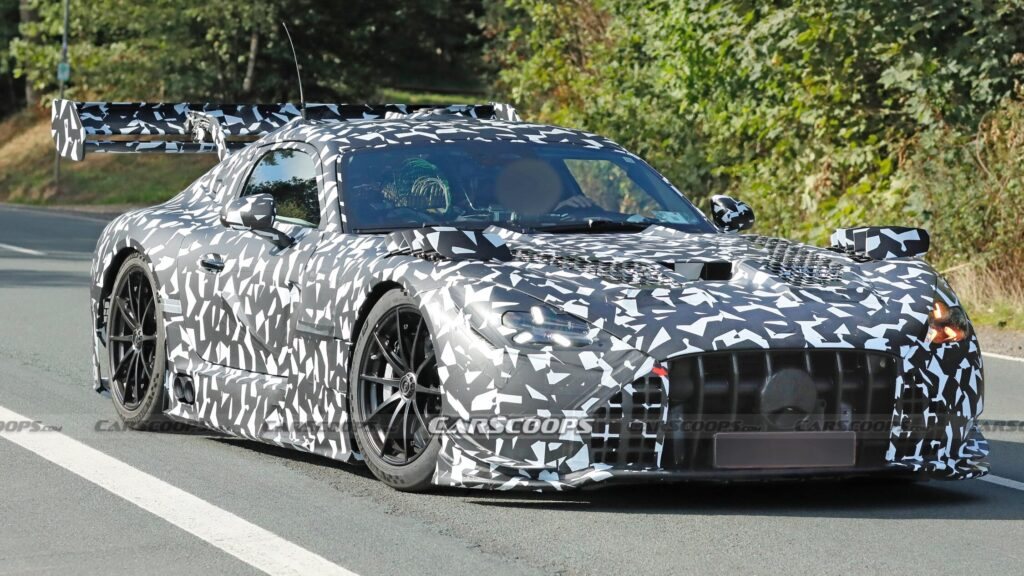
AMG GT Black Series Spied With Radical Aero Ahead of Nürburgring Record Attempt
Technology 120
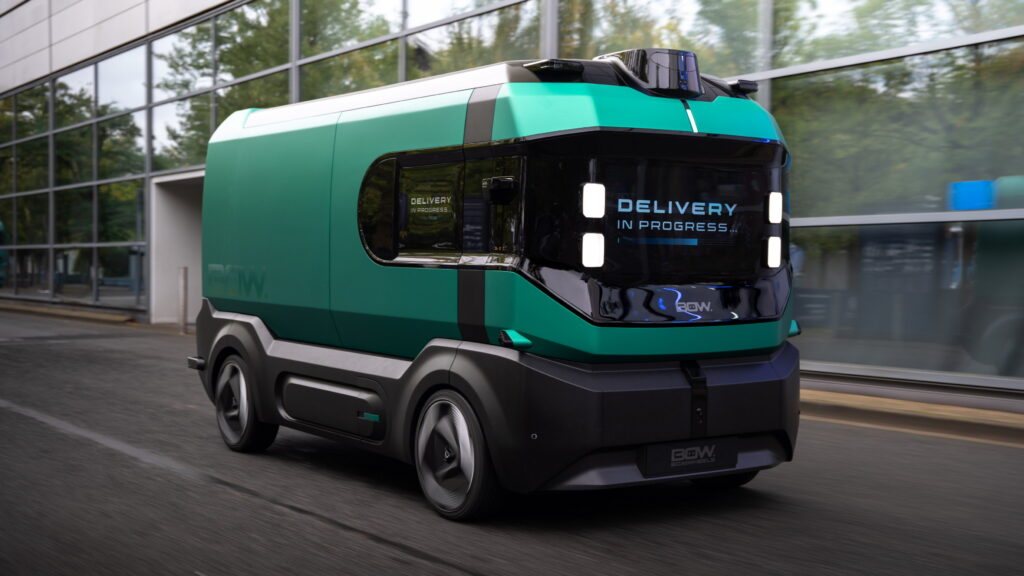
Stellantis Unveils Driverless BOW Delivery Concept at IAA Transportation
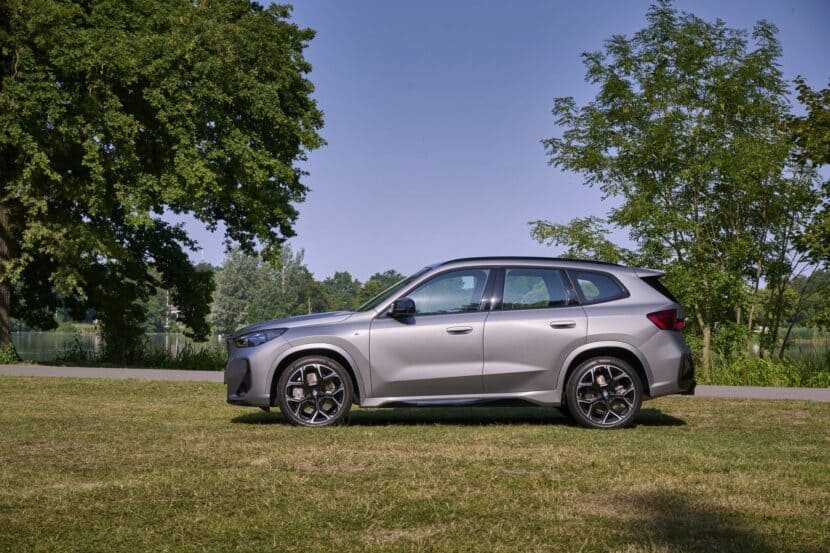
BMW's smallest SUV carries over into 2027 with no mechanical or styling changes and a modest $500 price increase, as a facelifted model is expected next year. The xDrive28i starts at $43,200 and the M35i at $52,400 before destination.
By Charlotte Redford · 5 min read
BMW has carried its smallest SUV into the 2027 model year with no changes of any kind, a decision that reflects how close the X1 is to a mid-cycle refresh. Updated models are expected to arrive next year, leaving the current U11-generation car to soldier on largely as it was. The only meaningful movement is on price: the 2027 X1 xDrive28i now starts at $43,200 before destination, $500 more than last year, while the performance-focused M35i opens at $52,400. With the $1,350 destination charge included, those figures rise to $44,550 and $53,750 respectively.
Both U.S. models share a turbocharged 2.0-litre four-cylinder engine, a seven-speed dual-clutch automatic transmission and standard xDrive all-wheel drive. The xDrive28i produces 241 horsepower and 295 pound-feet of torque, with BMW quoting a zero-to-60mph time of 6.2 seconds. The M35i lifts output to 312 horsepower while retaining the same torque figure, and BMW lists a 5.2-second sprint to 60mph, although independent tests have recorded times in the high four-second range. Adaptive M Suspension and M-specific chassis tuning come with the upgrade, along with quad exhaust outlets and an M steering wheel.
Fuel economy figures for the newest model have yet to be published by the EPA, but the previous xDrive28i returned 25 mpg in the city, 34 mpg on the highway and 28 mpg combined. The M35i barely differs, managing 24, 32 and 27 mpg respectively. Buyers hoping for electrified commuting will not find it here: there is no plug-in hybrid X1 in the American line-up, though the 2028 iX1 may eventually fill that role. For those sticking with petrol, the xDrive28i remains the sensible starting point, with the M35i justified mainly by its extra performance.
Inside, the X1 continues to make a practical case for itself. There is no leather option, but the Veganza upholstery does enough to keep the cabin feeling premium, and heated seats became standard last year. Rear legroom is slightly more generous than in the Audi Q3 or Volvo XC40, and BMW lists 25.7 cubic feet of cargo space behind the rear seats, expanding to 57.2 cubic feet when they are folded. A 40/20/40 rear-seat split allows longer items to be carried while still seating two passengers in the back.
Technology centres on the BMW Curved Display, which combines a 10.25-inch digital instrument cluster with a 10.7-inch central touchscreen. Operating System 9, wireless Apple CarPlay and Android Auto, and a wireless charging tray are all standard. For the xDrive28i, the $1,400 Convenience Package adds a panoramic moonroof, heated steering wheel and remote engine start, and represents better value for most buyers than the $2,900 Technology Package. The latter becomes more compelling only for those who specifically want the head-up display and Parking Assistant Plus with its surround-view cameras.
Safety equipment fitted as standard includes Active Blind Spot Detection, Lane Keeping Assistant, Forward Collision Mitigation and Active Park Distance Control with Side Protection. The $500 Driving Assistance Plus Package is worth considering for regular motorway drivers, while the $1,700 Driving Assistance Professional Package warrants a closer look for those who spend long periods in congestion. Both work well, but each adds to a car whose appeal rests partly on affordability.
On price, the X1 continues to undercut most rivals. The Volvo XC40 is slightly cheaper, but Audi's Q3 and the Mercedes-Benz GLB cost more, while the Mercedes GLA is expected to sit close to the X1 at around $42,000. The modest increase for 2027 is unlikely to cost the X1 any ground in that comparison. Production of the 2027 model year begins in September 2026.
With nothing new for the U11 X1 this year but change arriving quickly, waiting until next year is a reasonable strategy for buyers unconcerned about potential revisions to the display and dashboard layout. For everyone else, there is no obvious reason to avoid the 2027 X1, which remains as strong a value proposition as ever. A rear-wheel-drive variant, a hybrid or electric option, or a more radical X1 M would all be welcome, but the standard car continues to fill its niche convincingly.