Business 172
BMW to Cut Costs With AI and Outsourcing
In this issue
Business 172
BMW to Cut Costs With AI and Outsourcing
Culture 202
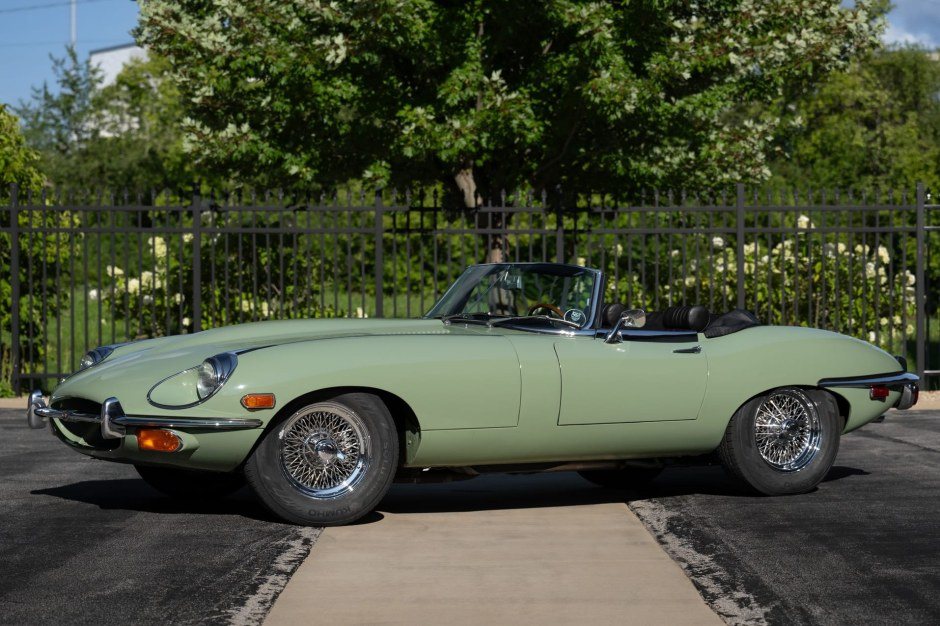
1969 Jaguar XKE Series II Roadster Heads to Auction in Willow Green
Economy 36
G7 Agrees to Release 100 Million Barrels of Diesel and Crude Oil to Ease Price Su…
News 144
Four Arrested and Race Car Seized After Illegal Drag Race on Long Island
Politics 109
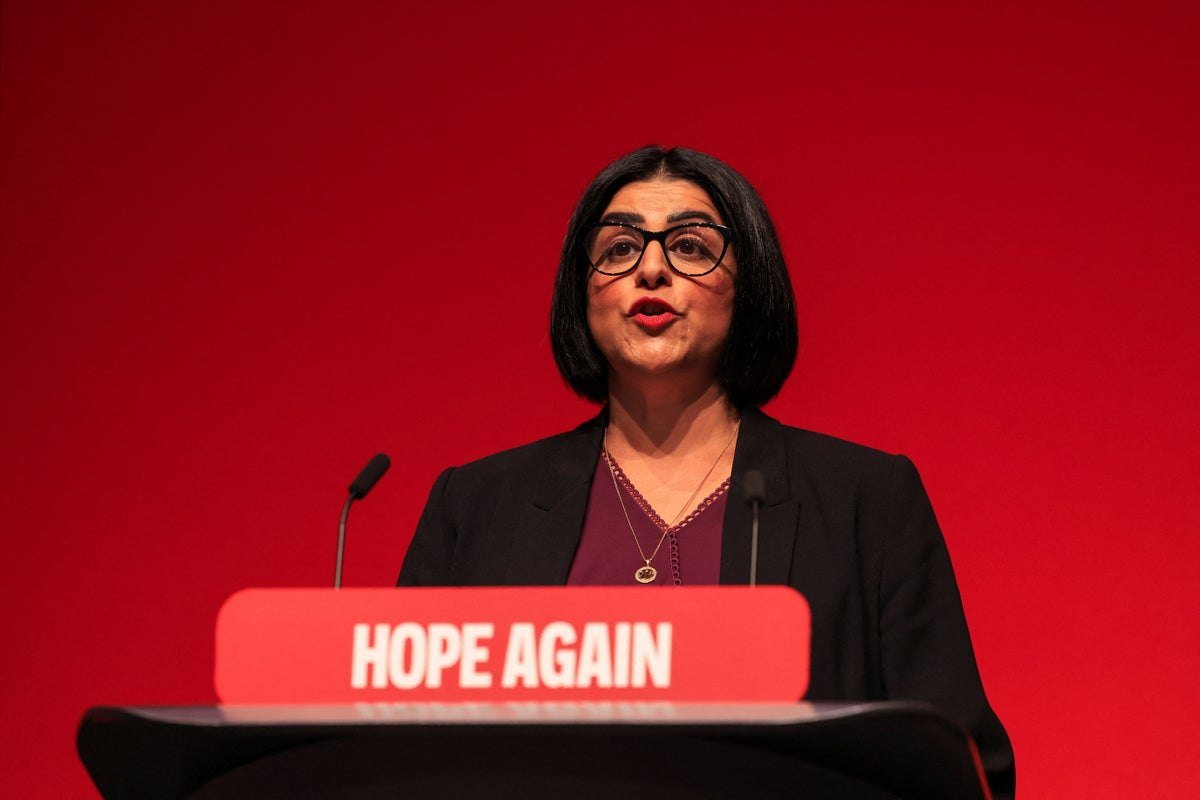
Mahmood Opens New Legal Refugee Routes in Labour Conference Speech
Sports 257
Toyota GR Yaris Review: Rally-Bred Thrill at a Steep Price
Technology 220
Citroen to Reveal Electric 2CV Concept at Paris Motor Show
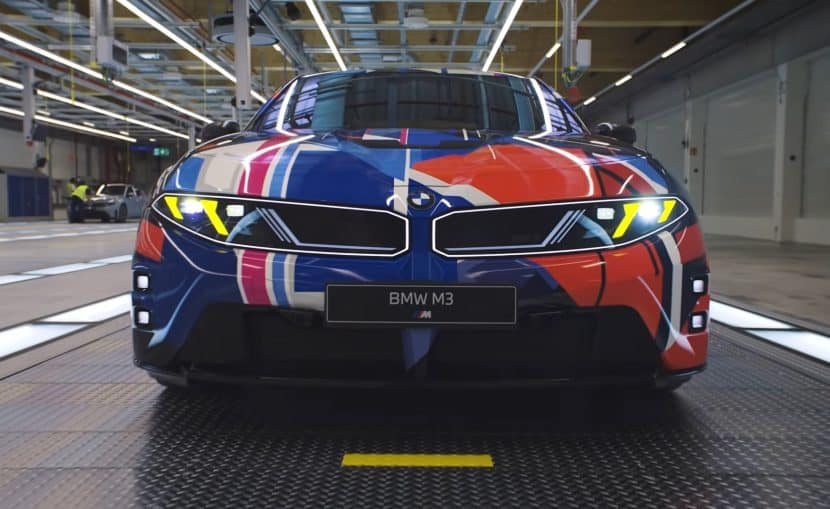
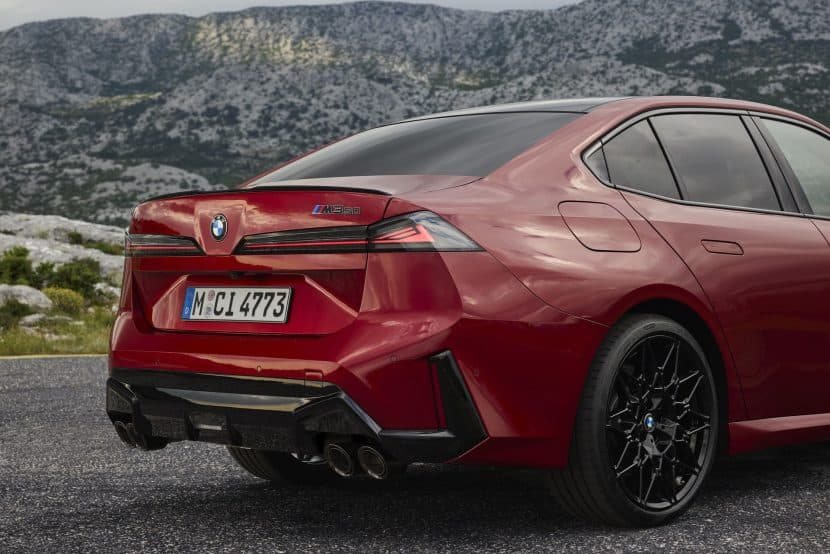
BMW has ended speculation over the name of its first fully electric M car, confirming the four-motor performance sedan will be called simply M3 when production begins in Munich in 2027.
By Charlotte Redford · 4 min read
BMW has ended months of speculation by confirming that its first fully electric high-performance car will be called simply the M3, dropping the lowercase «i» that has identified the company's electric vehicles for more than a decade.
The four-motor performance sedan, which shares its underlying platform with the new i3, will be built at BMW's Munich plant from 2027. The company describes it as the first high-performance model of the modern Neue Klasse era and the first fully electric M3.
The decision marks a significant break with BMW's established naming convention. The original i3 arrived in 2013 and established the formula that has since been applied across a wide range of models, including the new i3 sedan. Plug-in hybrids have also carried the letter since the i8 coupe was launched 13 years ago.
BMW's latest teaser material leaves little room for interpretation. Official preview images show a camouflaged near-production prototype wearing M3 logos on its doors, roof and boot lid. A new video goes further still, showing a prototype with a number plate that reads simply «BMW M3».
The naming logic reflects BMW M's view that an M3 is an M3 regardless of what powers it. The regular electric 3 Series is called the i3, while the combustion-powered version remains the 3 Series. BMW's own announcement describes the i3 as the first fully electric 3 Series while separately identifying the M3 as the first fully electric high-performance model.
That distinction explains why BMW apparently never considered awkward alternatives such as iM3 or M3i. Those names might have looked logical on paper, but they would have diluted the significance of the M3 badge, which BMW has spent four decades turning into one of the most recognisable performance-car nameplates in the business. Adding an «i» would have made the electric version feel like something separate. Instead, BMW is positioning the car as an M3 first and an electric vehicle second, confident that it can live up to a legacy that began with the E30.
The production model, known internally as ZA0, will share its home with the regular i3 as BMW transforms its Munich plant into an electric-only facility from 2027. Other models will follow, including the already confirmed i3 Touring and quite possibly an electric M3 Touring, referred to internally as ZA1.
The shift creates an unusual twist in the M3's long history. The combustion-engined 3 Series is moving out of Munich to Dingolfing, but the M3 is effectively staying at home by switching from petrol to electrons. For buyers not ready to give up the inline-six engine, BMW M will offer another petrol-powered M3 sedan launching in 2028 as the G84, with speculation pointing to an M3 estate, the G88, as well.
That is where the naming strategy becomes particularly neat. BMW does not need an «i» to distinguish the cars because the powertrains will be obvious from the vehicles themselves. One will have four electric motors and no exhaust system, while the other will continue to burn petrol.
For now, there is no need to wonder whether BMW will call its electric super sedan an iM3, an M3i or something equally awkward. It is an M3. And after more than a decade of BMW electric cars wearing «i» badges, the ZA0 is the first BMW electric vehicle since the i3 debuted in 2013 to go without one.
The message from Munich is clear: when it comes to the M3, the badge matters more than the powertrain.
7