Business 112
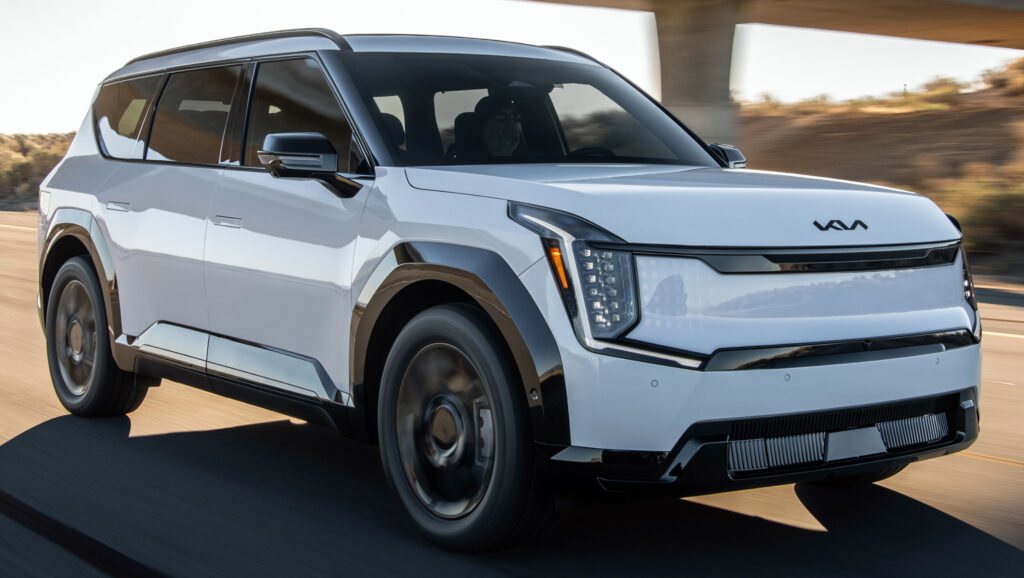
Kia EV9 Discounts Reach $16,000 as Sales Fall 33%
In this issue
Business 112
Kia EV9 Discounts Reach $16,000 as Sales Fall 33%
Culture 91
1967 Morgan Plus 4 Four-Seater Heads to Auction After Decades of Careful Ownership
Economy 30
HMRC is writing to low earners about pension top-ups averaging about £70
News 124
Aftermarket Trackers Recover 99% of Stolen Cars as Factory Systems Fail
Politics 105
Reform UK's Welsh Leader Dan Thomas Resigns After Arrest on Suspicion of Assault
Sports 232
Middlesbrough v Millwall Postponed in Championship
Technology 121
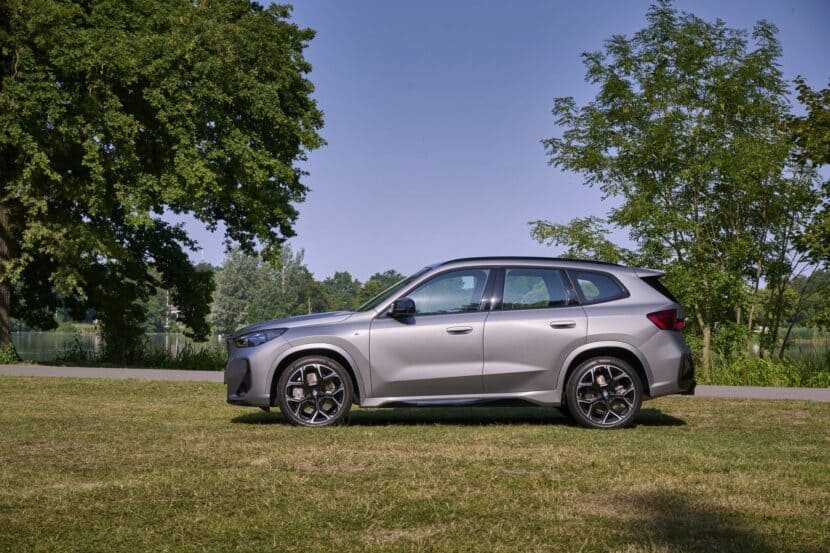
2027 BMW X1 Arrives Unchanged With Small Price Rise Ahead of Facelift
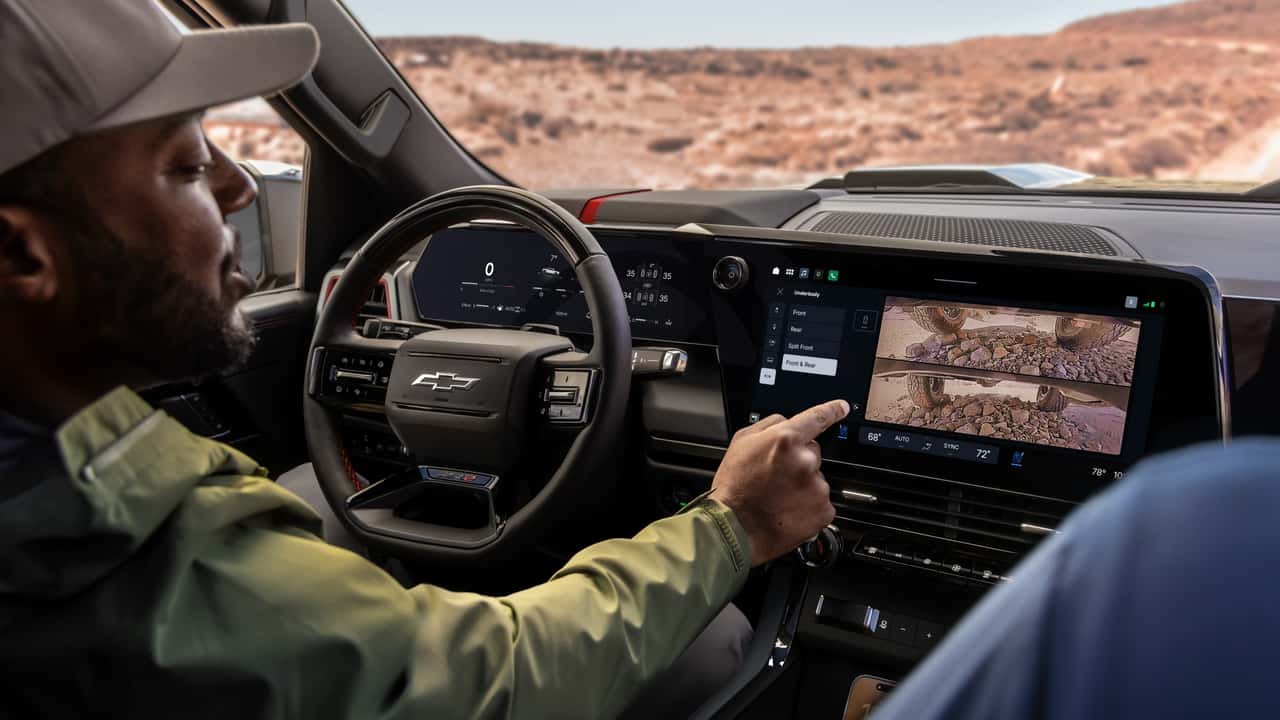
General Motors will retain Apple CarPlay and Android Auto in its next-generation infotainment system, debuting in the 2027 Chevrolet Silverado and GMC Sierra, after previously signalling it would drop smartphone mirroring.
By George Kensington · 4 min read
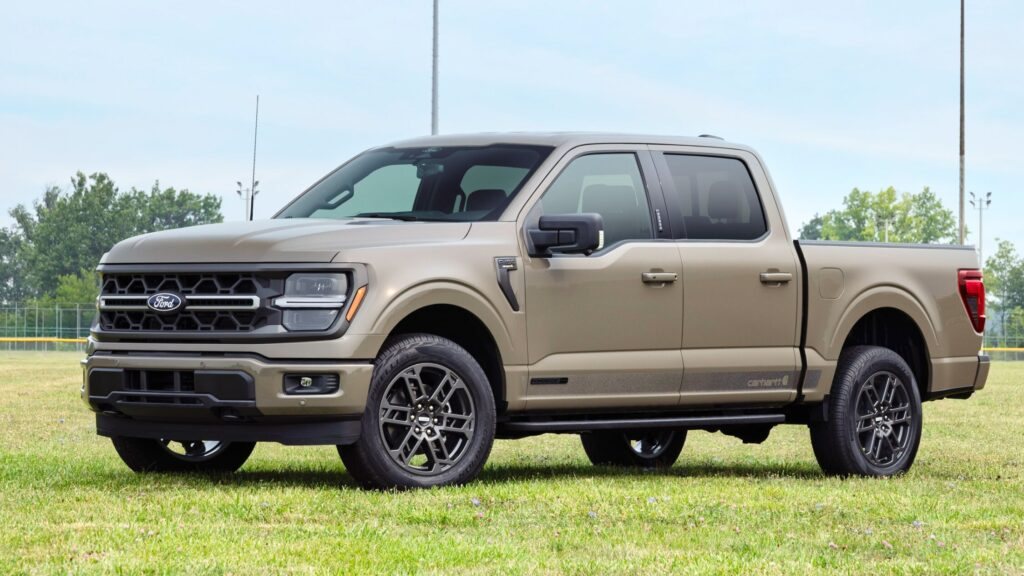
General Motors has reversed its earlier position and will keep Apple CarPlay and Android Auto in its next-generation infotainment system, with the technology debuting in the 2027 Chevrolet Silverado and GMC Sierra. The decision marks a significant climbdown for the American manufacturer, which had previously indicated it would phase out smartphone mirroring in favour of its own software platform.
The new user interface, previewed ahead of its rollout in the updated trucks, continues to support smartphone mirroring through a split-screen layout that allows CarPlay or Android Auto to run alongside native vehicle functions. The system is expected to reach other General Motors products in due course, extending the reversal beyond the two full-size trucks that will introduce it.
The move follows sustained criticism from customers and industry observers after GM signalled its intention to abandon CarPlay and Android Auto. The company had argued that its own infotainment software, developed in-house, would offer tighter integration with vehicle systems and enable new subscription-based services. That strategy placed GM alongside Tesla and Rivian in declining to support the two dominant smartphone mirroring platforms.
CarPlay and Android Auto have become near-universal expectations among new-car buyers, particularly in the North American market. Their absence from a mainstream brand's lineup is widely regarded as a competitive disadvantage, and GM's decision to restore them in its highest-volume vehicles reflects that commercial reality. The Silverado and Sierra are among the company's most profitable and closely watched models, making them a natural starting point for the revised approach.
The 2027 model year update pairs the software change with a broader refresh of the trucks' digital interfaces. The split-screen design allows drivers to view navigation or media from their phone while retaining access to climate, towing, and vehicle settings on the same display. GM has not confirmed a full list of vehicles that will receive the updated system, but the company's language suggests the interface will migrate across its portfolio rather than remaining exclusive to the trucks.
For British readers, the development is a reminder of how quickly automotive software strategy can shift. Manufacturers have spent years weighing the benefits of proprietary systems against the familiarity and loyalty that Apple and Google platforms command. GM's reversal suggests that, at least for now, customer preference is outweighing the potential revenue from walled-garden services.
The decision also raises questions about the future of GM's in-house software ambitions. The company has invested heavily in digital services and subscription features, and retaining CarPlay and Android Auto does not necessarily mean abandoning those plans. Instead, the new interface appears designed to accommodate both approaches, allowing phone mirroring while continuing to promote native applications and connected services.
GM has not announced a precise on-sale date for the 2027 Silverado and Sierra, nor has it confirmed whether the interface will appear in its electric vehicles. The company's electric lineup has been a particular focus of speculation, with reports suggesting the new software could signal a broader return of CarPlay across its EV range. For now, the clearest signal is that the next generation of GM trucks will not ask customers to choose between their phones and their vehicles.