Business 210
Used Ford F-150 Lightning EV Pickups Sell at Half Price as Demand Surges
In this issue
Business 210
Used Ford F-150 Lightning EV Pickups Sell at Half Price as Demand Surges
Culture 255
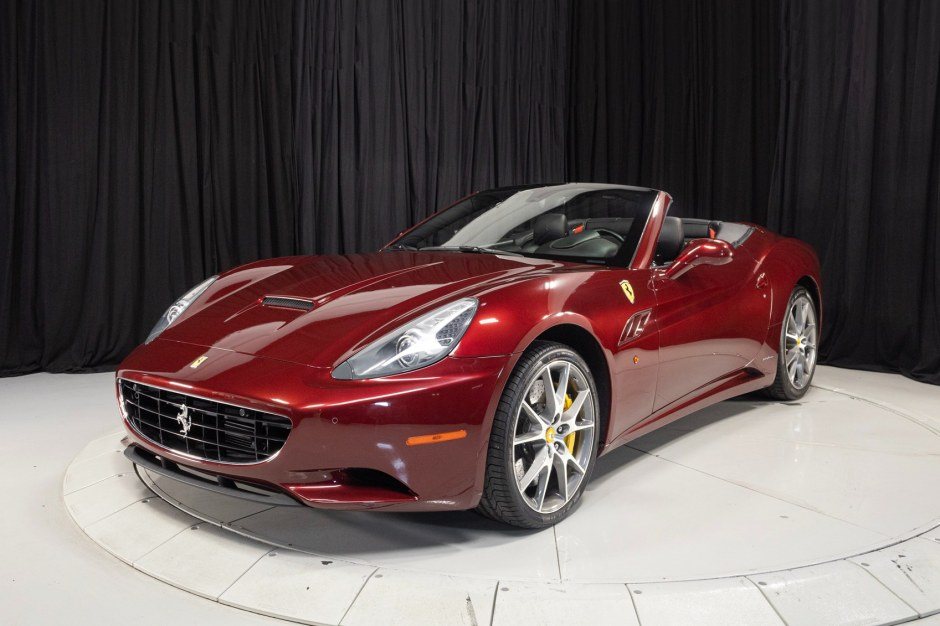
2012 Ferrari California with 23k Miles Listed for Sale
Economy 40
US Petrol Prices Set Record for Longest Stretch Above $4 a Gallon
News 151
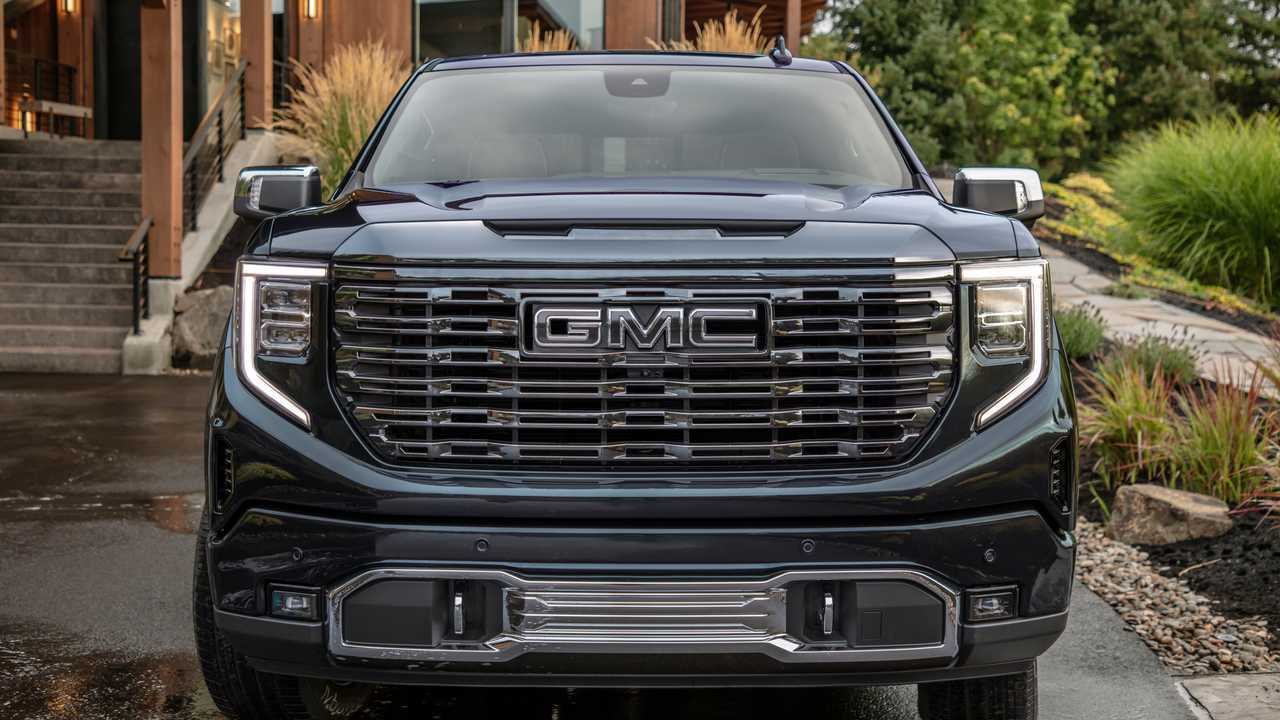
US Safety Agency Investigates 535,000 GMC Sierra Trucks Over Grille Deflector Fau…
Politics 113
Trump Appoints Barbera Thornhill to Lead US Anti-Trafficking Office
Sports 271
Queens Park Rangers to Host Derby County in Championship Clash
Technology 292
Honda Civic gains Prelude's simulated gearbox tech
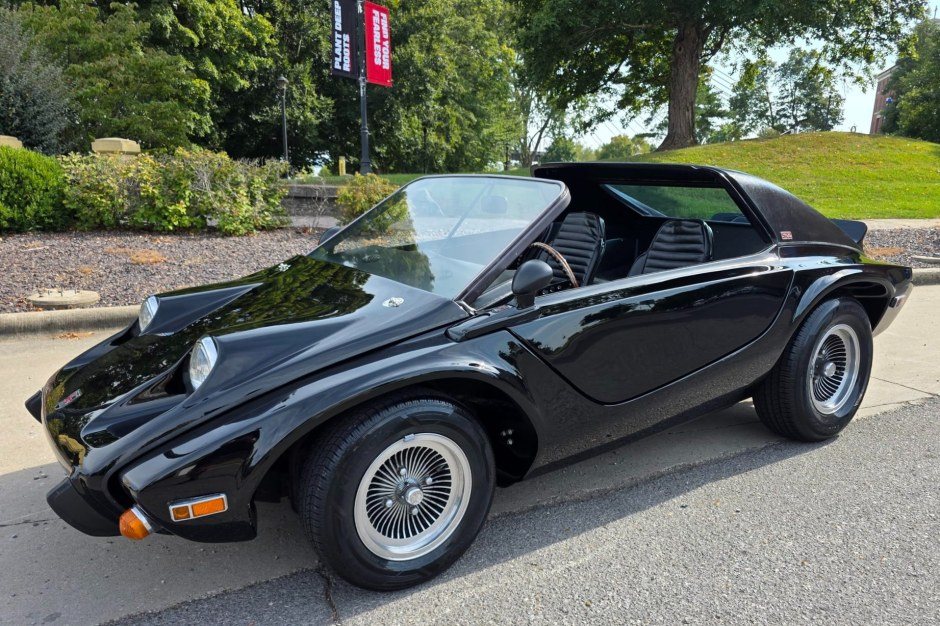
Peugeot CEO Alain Favey says the 805bhp e-T16 concept is technically feasible for production as early as next year, while the RCZ coupé remains five to six years away pending solid-state battery technology.
By Edward Beaumont · 5 min read
Peugeot could put its dramatic e-T16 hyper-hatch concept into production as soon as next year, according to chief executive Alain Favey, who said the 805bhp four-wheel-drive machine is technically feasible using the company's existing STLA One platform and components from the new e-208.
The e-T16 was unveiled at the Paris motor show as a preview of the next-generation e-208 supermini, hinting at that car's general shape and lighting signatures. But with a dual-motor powertrain producing 805bhp and wide-arched bodywork inspired by the 1980s homologation-special 205 T16, it appeared unlikely to be considered for production. Favey told Autocar that the concept is underpinned by Stellantis's new STLA One architecture, which he cited as proof of its viability.
«We can make it. The car is based on STLA One. We have a lot of elements from the new e-208. We can make it as it is, as you see it here. We can make this car next year. Let's see,» Favey said. He described the project as «an easier exercise in a way, to say let's make a car that makes you dream but at the same time a car that we can make. It's at least a car we can make. It's technically feasible.»
Favey pointed to the involvement of Peugeot Sport, the brand's motorsport arm, in the e-T16's development as further evidence that its technical specification was not devised purely for headlines. «805bhp, this and that and the other, they are real facts,» he said. «If we make this car, we can make it. That's the performance we can get to.»
A production version of the e-T16 would likely be a low-volume, high-cost halo product for Peugeot, similar in concept to the Renault 5 Turbo 3E. Favey did not discuss pricing, but the £140,000 to £220,000 figures mooted for the Renault indicate what Peugeot could charge for its four-wheel-drive hyper-hatch. Alongside the new RCZ coupé, it would spearhead Peugeot's push further upmarket with sporty, design-led cars that the company considers crucial to its wider growth aspirations.
Favey said the brand is targeting an increase in annual sales volumes from 1.1 million to 1.5 million cars, with a focus on «profitable growth». The move upmarket is also intended to distance Peugeot from value-led Chinese competitors that have taken significant market share from some of Europe's largest carmakers.
«It's a way for us to respond to competitors like the Chinese competition, who play a lot on pricing. We know we're not going to win the war on pricing. That's clear for millions of reasons,» Favey said. «But we are actually winning the commercial war. Being clear on design, on technology, on innovation, that's where we are at home, with sporty cars.»
He added that Peugeot's heritage should be part of buyers' considerations: «We have a heritage we need to refer to to remind people: if they want this heritage to continue for the next 200 years, maybe they should buy a car that is contributing to this heritage here in Europe, contributing to the European economy, to the European employment.»
The RCZ coupé, by contrast, remains a longer-term proposition. Although Peugeot would like to sell a car of that type, its low-set proportions are not viable with the brand's existing electric vehicle platforms and technology. The design depends on thin, energy-dense solid-state batteries capable of recharging in little more time than it takes to refuel a combustion-engined car, and these are not yet on the market.
«That's a wish list. That's what we need, and even if it's five years or six years, that's what we need one day. The e-T16 is a completely different story,» Favey said.
Favey also ruled out building a new entry-level model in the vein of the old 108 city car. «We have no plan to go down market to what the other brands do very well, like with the new Citroën 2CV. We have no plan for going down in terms of pricing but rather up and offering more value and more design for the future,» he said.
8