Business 220
Seven New Cars With the Longest and Most Comprehensive Warranties
In this issue
Business 220
Seven New Cars With the Longest and Most Comprehensive Warranties
Culture 263
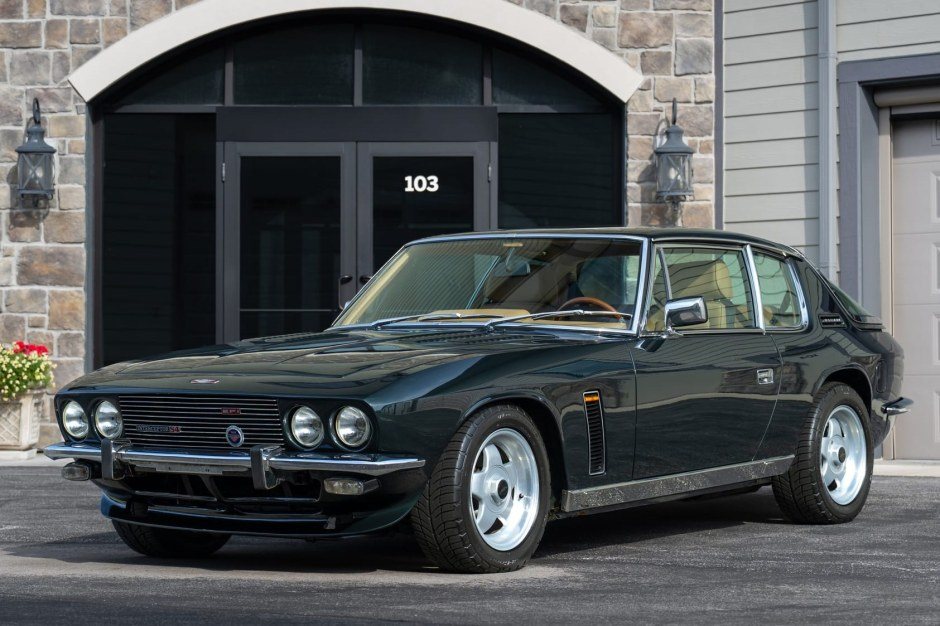
Last Jensen Interceptor S4 Heads to Sale in Illinois
Economy 40
US Petrol Prices Set Record for Longest Stretch Above $4 a Gallon
News 153
Forecasters Issue Winter Snow Verdict for the UK
Politics 114
Hungary Moves to Repeal Anti-LGBT Laws in Push for EU Closer Ties
Sports 278
Middlesbrough Host Cardiff City in Championship Clash
Technology 309
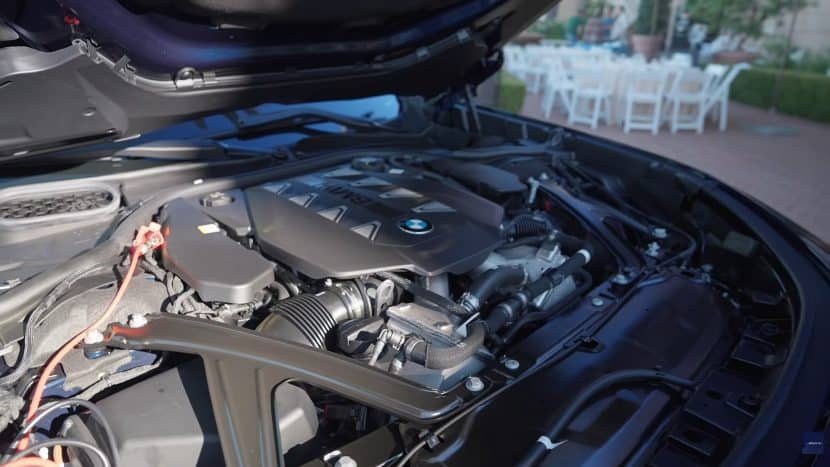
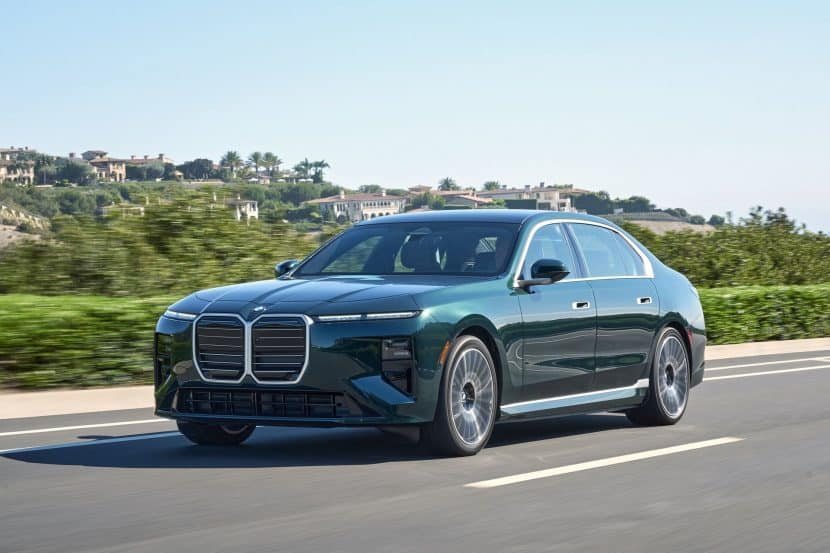
BMW Adds Twin-Turbo V8 to 7 Series Flagship With New M760 xDrive
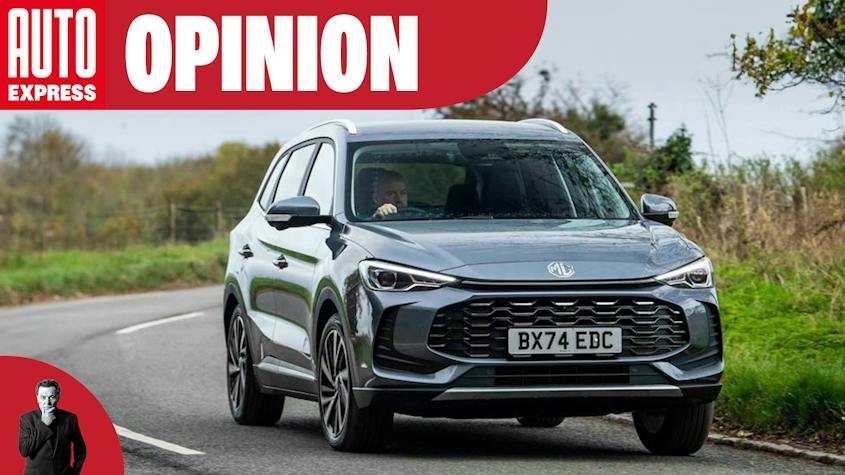
Chinese-owned brands BYD and MG are emerging as the real winners in the UK new car market, while established European manufacturers such as Volkswagen are starting to lose their hold on the sales charts.
By Eleanor Ellington · 3 min read
Chinese-owned car brands BYD and MG are emerging as the standout performers in the UK new car market, with European manufacturers such as Volkswagen beginning to lose their grip on the sales charts, according to motoring commentator Mike Rutherford.
The assessment places the two marques at the centre of a shifting competitive landscape in Britain, where the long-standing dominance of established European names is being challenged by newer entrants offering competitive pricing and rapidly expanding model ranges. Rutherford argues that the real sales winners are no longer the familiar continental brands that have topped the charts for decades.
BYD, which stands for Build Your Dreams, has moved quickly since entering the UK market, building a presence around electric and plug-in hybrid vehicles. MG, meanwhile, has re-established itself under Chinese ownership as a volume player, with a range that spans petrol, hybrid and electric models. Both brands have gained traction with buyers who are weighing running costs and value for money against badge loyalty.
The shift matters for the wider British motor industry because new car registrations are a closely watched indicator of consumer confidence and of how quickly the transition to electrified vehicles is progressing. When newer brands take share from incumbents, it puts pressure on established manufacturers to adjust pricing, specification and marketing, and it can affect dealer networks and residual values.
Volkswagen, Europe's largest carmaker, has long been a fixture near the top of the UK sales rankings. The suggestion that its position is weakening reflects a broader pattern in which European groups face tougher competition from Chinese manufacturers that have scaled up production and are pushing aggressively into export markets.
For British buyers, the practical consequence is a wider choice of vehicles at a range of price points, particularly in the electric segment where affordability has been a persistent concern. For established brands, the challenge is to defend market share without eroding margins, at a time when the cost of developing new models and meeting emissions rules is already high.
The commentary stops short of forecasting how far the shift will go, but it frames the UK market as one in which the old certainties of brand hierarchy are no longer reliable. The winners, on Rutherford's reading, are the challenger brands — and the losers are the European manufacturers that have treated Britain as a captive market.
4