Business 218
Volkswagen Prepares to Import Selected Chinese EVs to Europe
In this issue
Business 218
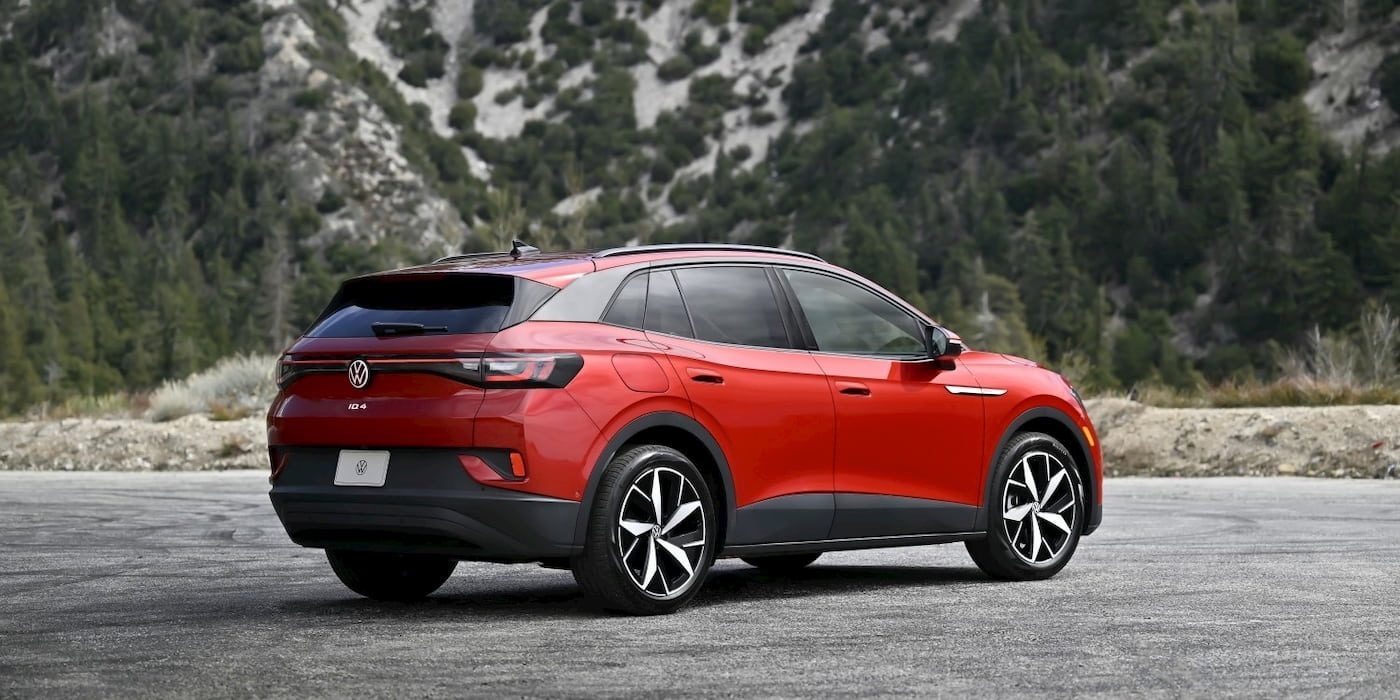
Volkswagen Prepares to Import Selected Chinese EVs to Europe
Culture 263
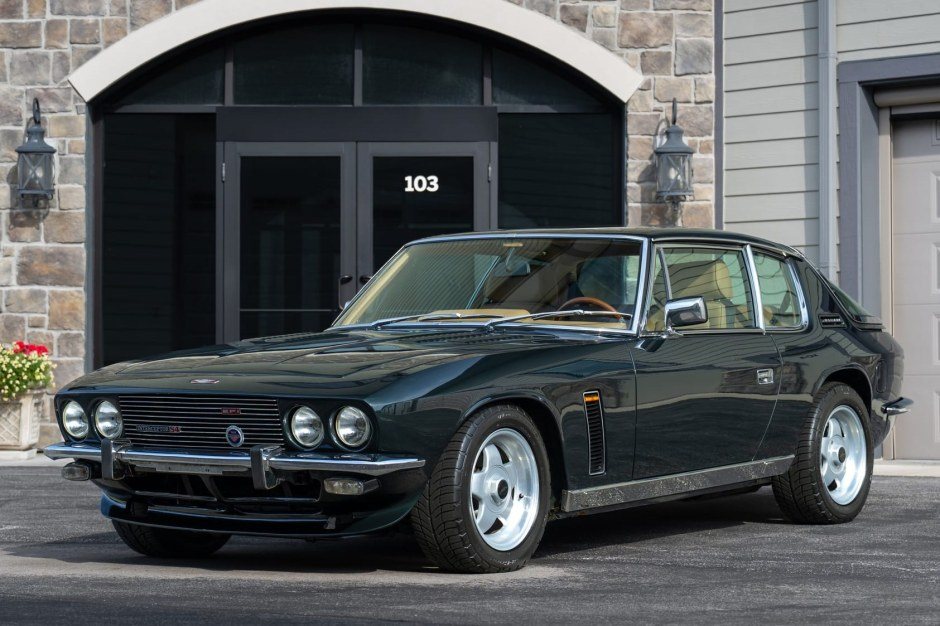
Last Jensen Interceptor S4 Heads to Sale in Illinois
Economy 40
US Petrol Prices Set Record for Longest Stretch Above $4 a Gallon
News 153
Forecasters Issue Winter Snow Verdict for the UK
Politics 114
Hungary Moves to Repeal Anti-LGBT Laws in Push for EU Closer Ties
Sports 277
Burnley to Host Wolves in Friday Night Championship Clash
Technology 305
Mercedes-AMG GT SUV becomes world's most powerful production SUV
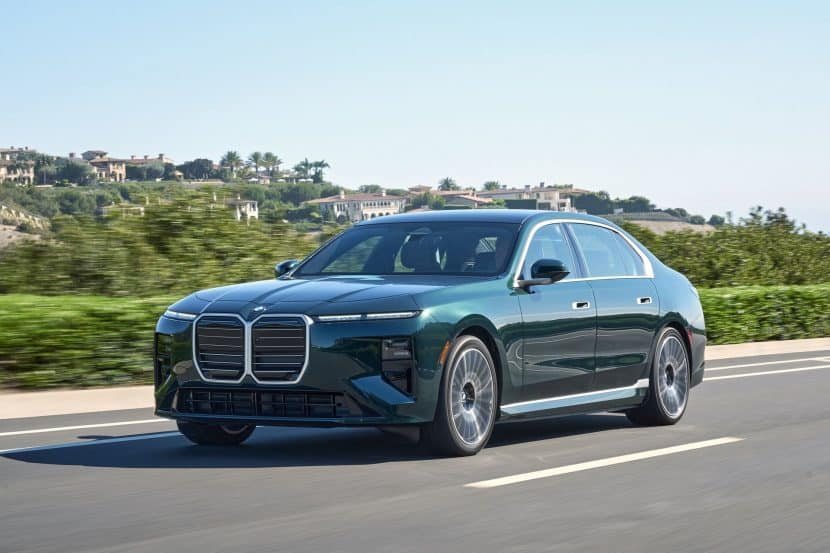
The 2027 BMW i7 60 xDrive gains a 112.5 kWh battery, more than 350 miles of EPA range and a fully touchscreen rear Theatre Screen, moving the flagship closer to Rolls-Royce comfort while keeping its 400-volt architecture.
By George Kensington · 4 min read
BMW's updated i7 electric saloon has arrived with a larger battery, more range and a cabin overhaul that pushes the flagship closer to Rolls-Royce territory than any 7 Series before it. The 2027 i7 60 xDrive, priced at around $124,700, is a mid-cycle refresh that BMW calls a Life Cycle Impulse, but the changes run deeper than a typical facelift.
The biggest mechanical change sits beneath the floor. BMW worked with Rimac to fit Gen6 cylindrical cells, the same type used in the iX3, into the existing space once occupied by prismatic cells. Usable capacity rises from 101.7 kWh to 112.5 kWh with no loss of cargo space, and energy density is up by 20 per cent. BMW estimates more than 350 miles of EPA range, up from 311 miles, and up to 728 km on the WLTP cycle.
Peak DC charging climbs from 195 kW to 250 kW, and a 10-80 per cent charge takes 28 minutes. That is a significant step for a car built on a 400-volt architecture, but it leaves the i7 behind BMW's newer electric models. The 800-volt iX3 charges at up to 400 kW and the iX5 at 460 kW, meaning a crossover costing around $61,500 can now charge faster than the flagship saloon.
The motors carry over from BMW's Gen5 eDrive and still produce a combined 536 hp and 549 lb-ft of torque. BMW quotes a 0-60 mph time of 4.6 seconds, a figure matched in testing. The i7 remains built on the CLAR platform it shares with the combustion 7 Series, and the rear-seat software is carried over unchanged, creating a visible gap between the new dashboard and the older interface behind it.
Inside, the 31.3-inch Theatre Screen is now fully touchscreen, and a new Zoom app uses a built-in camera and cabin microphones to turn the rear seat into a meeting room. Streaming apps such as YouTube remain available for longer journeys. The old HDMI port, which left cables dangling, has been repositioned to the bottom edge of the screen so a laptop, tablet or games console can be connected neatly. BMW plans to add a fridge built into the rear seat and a work table next year.
With the Executive Lounge seat, the front passenger seat slides forward and the rear seat reclines into something close to a bed. The car's comfort-focused character is reinforced by two-axle air suspension with individually controlled dampers and Integral Active Steering. At low speeds the rear wheels turn opposite the fronts, cutting the turning circle by about 0.8 metres, while at higher speeds they steer up to 3.5 degrees with the front wheels to improve stability.
On the road, Comfort mode lets the i7 float with noticeable body roll, while Sport firms the air suspension, lowers the body by 10 mm and adds weight to the steering. The spread between modes is narrower than in BMW's newer Neue Klasse models, but the i7 remains composed and surprisingly manoeuvrable for its size. Regenerative braking settings carry over, with Adaptive, Low, Medium, High and B modes available.
The refresh gives BMW a more competitive flagship in the electric luxury saloon market, where it sits close to the Mercedes-Benz S-Class on refinement while retaining the 7 Series' reputation for driver engagement. The car's foot in two eras, with a new cabin up front and older charging and rear-seat technology underneath, will define how buyers judge whether the higher price is justified.
4