Business 218
Volkswagen Prepares to Import Selected Chinese EVs to Europe
In this issue
Business 218
Volkswagen Prepares to Import Selected Chinese EVs to Europe
Culture 263
Last Jensen Interceptor S4 Heads to Sale in Illinois
Economy 40
US Petrol Prices Set Record for Longest Stretch Above $4 a Gallon
News 153
Forecasters Issue Winter Snow Verdict for the UK
Politics 113
Trump Appoints Barbera Thornhill to Lead US Anti-Trafficking Office
Sports 277
Burnley to Host Wolves in Friday Night Championship Clash
Technology 304
Porsche's Mission S Sets Design Template for Next 911
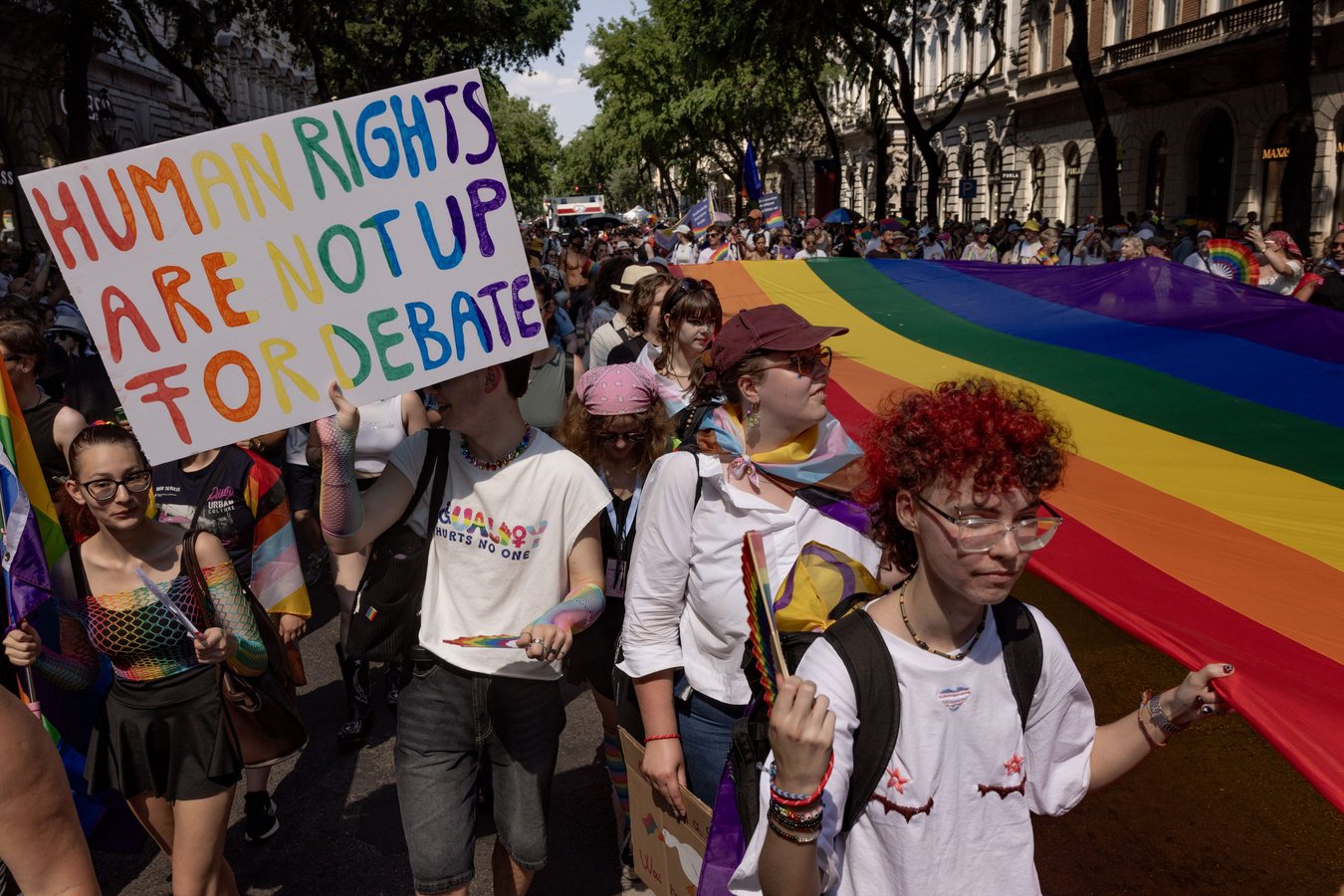
Hungary's new prime minister, Magyar, is seeking to repeal restrictive laws introduced by his predecessor, including anti-LGBT legislation, as part of a broader effort to improve relations with the European Union.
By Edward Beaumont · 2 min read
Hungary's government has begun the process of repealing a series of restrictive laws introduced under former prime minister Viktor Orbán, including controversial anti-LGBT measures, as the country's new leadership seeks to repair its relationship with the European Union.
Prime Minister Magyar is pursuing a policy of rapprochement with Brussels, and the removal of the anti-LGBT legislation is seen as a key component of that strategy. The laws, which were introduced by Orbán's administration, had drawn sustained criticism from EU institutions and human rights organisations, contributing to Hungary's isolation within the bloc.
The repeal marks a significant shift in Hungary's domestic policy and signals a willingness to align more closely with EU values on social issues. Under Orbán, Hungary had frequently clashed with Brussels over rule-of-law concerns and policies affecting minority groups, leading to prolonged political tensions and financial disputes.
Magyar's government appears to view the removal of these laws as a necessary step towards rebuilding trust with EU partners and unlocking access to funds that had been withheld amid concerns over democratic standards. The move is also likely to be welcomed by civil society groups that had campaigned against the restrictions for years.
The anti-LGBT laws had been particularly contentious, drawing condemnation from across Europe and prompting legal challenges. Their repeal represents one of the most visible breaks with the Orbán era and underscores the new administration's determination to chart a different course.
While the full legislative process is still under way, the direction of travel is clear. Hungary's new leadership is betting that closer ties with the EU will bring economic and political benefits, and the repeal of these laws is an early test of that commitment. The coming months will show whether the government can deliver on its promise of a more open and inclusive Hungary.
9