
Business 182
Corvette ZR1X Auction Bids Top $400,000 as Factory Warranty Fuels Demand
In this issue
Business 182
Corvette ZR1X Auction Bids Top $400,000 as Factory Warranty Fuels Demand
Culture 207
MINI Takes The States Marks 20 Years With Three Regional Rallies
Economy 36
G7 Agrees to Release 100 Million Barrels of Diesel and Crude Oil to Ease Price Su…
News 145
NSW Police Trials BMW 540d as Highway Patrol Car
Politics 109
Mahmood Opens New Legal Refugee Routes in Labour Conference Speech
Sports 259
Chiefs, 49ers and Vikings stay unbeaten as NFL Week 4 delivers 14-game slate
Technology 229
LiveWire S4 Honcho Street Approved for Rider Training Programmes
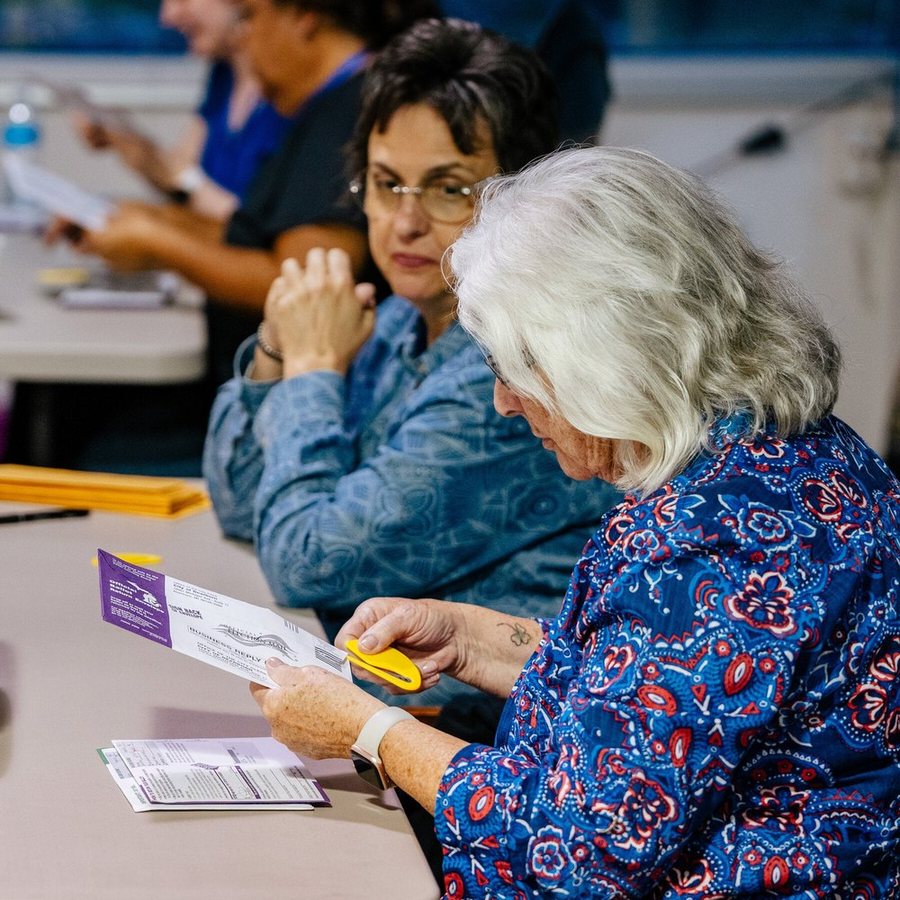
The US president has released a video calling on Republican voters to use postal ballots in the midterm elections, reversing a long-standing public position that mail voting is unreliable and vulnerable to fraud.
By George Kensington · 3 min read
President Donald Trump has urged Republican voters to cast their ballots by mail in the forthcoming midterm elections, issuing a direct appeal that contradicts years of public criticism in which he repeatedly described postal voting as unreliable and open to abuse.
The president made the call in a video message released to supporters, telling Republicans that voting by mail is now a legitimate and necessary route to the ballot box. The intervention marks a sharp reversal of the position he has advanced since the 2020 presidential election, when he claimed without substantiated evidence that expanded mail voting had produced a fraudulent result.
The shift comes as the party confronts a difficult electoral landscape. Democratic prospects of winning control of Congress have improved, and Republican strategists have grown increasingly concerned that their own supporters are less willing than Democratic voters to use postal ballots. Internal party analysis has long suggested that discouraging mail voting depresses Republican turnout rather than protecting the integrity of the process.
Trump’s earlier rhetoric had a measurable effect on behaviour. Republican voters, particularly older party members who once favoured postal voting for its convenience, were significantly less likely to request mail ballots in recent cycles. That decline has been widely cited by party officials as a structural disadvantage heading into competitive races.
The president’s new message therefore represents an attempt to close that gap. By personally endorsing mail voting, he is lending his authority to a method his own base has been taught to distrust. Whether the reversal will be enough to change entrenched habits among Republican voters remains an open question, and party organisers will be watching early ballot requests closely for signs of a shift.
The about-face also carries political risk. Trump has spent years building a public argument that postal voting is compromised, and that argument remains central to how many of his supporters understand elections. A sudden change of tone may confuse those voters or be met with scepticism from activists who have campaigned against mail ballots at state and county level.
Democrats, meanwhile, have long encouraged their supporters to use every available method of voting, including postal ballots and early in-person voting. That organisational advantage has been a recurring theme in post-election reviews, and it is one Republicans have been under pressure to neutralise.
The video appeal is the latest sign that electoral tactics are being reassessed as the midterms approach. For a president who has made election administration a defining theme of his public life, the instruction to Republicans to vote by mail represents one of the most striking reversals of his political career.
7