
Business 156
BMW and MINI to Make Greek Debuts at AUTO ATHINA 2026
In this issue
Business 156
BMW and MINI to Make Greek Debuts at AUTO ATHINA 2026
Culture 173
2021 Porsche 911 Targa 4S with Seven-Speed Manual Offered in Texas
Economy 33
Bitcoin and Ethereum Surge to Levels Last Seen in January
News 133
Portland Approves $207,411 Grant to Clear Street Takeovers Within an Hour
Politics 108
US Lawmakers Move to Permanently Ban Chinese Cars
Sports 249
Fantasy Football Leagues Embrace Creative Last-Place Punishments
Technology 181
BMW Builds 115 Isle of Man TT M 1000 RRs as US Preorders Open
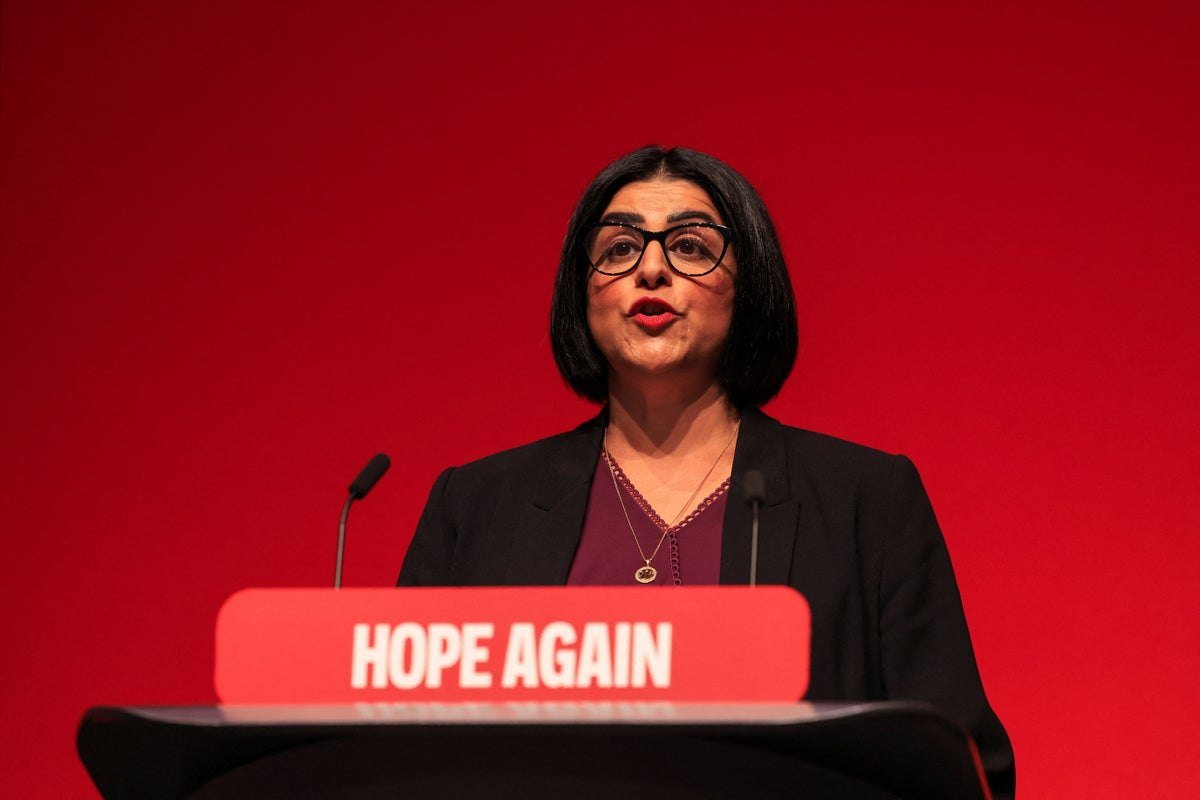
The home secretary used her conference address to announce fresh resettlement pathways for Afghan women and Palestinians, insisting the UK will meet its international obligations.
By Edward Beaumont · 4 min read
Shabana Mahmood has announced new legal routes for refugees to resettle in the United Kingdom, using her speech at the Labour Party conference to set out a fresh approach to asylum and resettlement.
The home secretary told delegates that the government would reopen and expand safe and legal pathways into the country, with the scheme expected to cover Afghan women and girls as well as Palestinians. The move marks a significant shift in tone from the previous administration's focus on deterrence and offshore processing.
Mahmood said the UK would live up to its international obligations, framing the new routes as a practical alternative to the dangerous journeys that have led thousands of people to cross the English Channel in small boats. The announcement drew immediate attention, with the home secretary's name becoming one of the most searched terms in the UK in the hours after her address.
According to the plans outlined at the conference, the government intends to establish dedicated resettlement programmes that would allow vulnerable groups to enter Britain through official channels rather than relying on smugglers. The scheme is expected to prioritise women and girls from Afghanistan, a group that has faced severe restrictions on education and employment since the Taliban's return to power.
Palestinians displaced by conflict in Gaza would also be eligible under the new arrangements, although the precise criteria and numbers have not yet been confirmed. The Home Office is expected to publish further details in the coming weeks.
The announcement represents a break from the Rwanda deportation policy pursued by the Conservatives, which Labour scrapped after taking office. Mahmood has previously described that approach as costly and ineffective, arguing that it failed to deter small boat crossings while diverting resources from border enforcement.
Instead, the home secretary has emphasised a dual strategy: cracking down on criminal smuggling networks while offering safe routes for those genuinely in need of protection. She told the conference that the two objectives were not in conflict, and that a controlled system would restore public confidence in immigration.
The speech comes amid intense pressure on the government over small boat arrivals, which remain a politically sensitive issue. Labour has pledged to reduce the number of crossings by targeting the gangs that organise them, and has already announced new powers to seize the assets of people smugglers.
Refugee charities broadly welcomed the new routes, though some cautioned that the details would determine whether the scheme delivers meaningful protection. Others questioned whether the numbers admitted would be sufficient to meet the scale of need.
Mahmood's address also touched on the wider theme of international cooperation, with the home secretary arguing that the UK should work with allies rather than retreat from global commitments. She said Britain had a proud history of providing sanctuary and that the new routes would uphold that tradition while maintaining firm border controls.
The conference speech is likely to be followed by further announcements on immigration policy in the coming months, as the government seeks to balance humanitarian obligations with public concerns about border security.
4