Business 394
Theon Design Launches Online Configurator and North American Concierge Service
In this issue
Business 394
Theon Design Launches Online Configurator and North American Concierge Service
Culture 414
Writer tests Audi SQ5 on 1,000-mile family trip to France with baby
Economy 54
European Electric Car Sales Jump 49 Percent in Battery-Electric Growth Surge
News 171
Britons stock up on tinned food and bottled water after Be Ready campaign
Politics 126
Krystyna Janda ostrzega przed rozpadem demokracji w Polsce
Sports 305
Gill Bowls First as Rain Cuts Hamilton ODI to 40 Overs
Technology 372
Subaru Targets 50% Thermal Efficiency With Next-Gen Boxer Engine

After losing ground in the midterms, Donald Trump is leaning on the radical wing of the Maga movement, a shift that commentator Corrado Formigli describes as a dark turn in his strategy.
By Eleanor Ellington · 3 min read
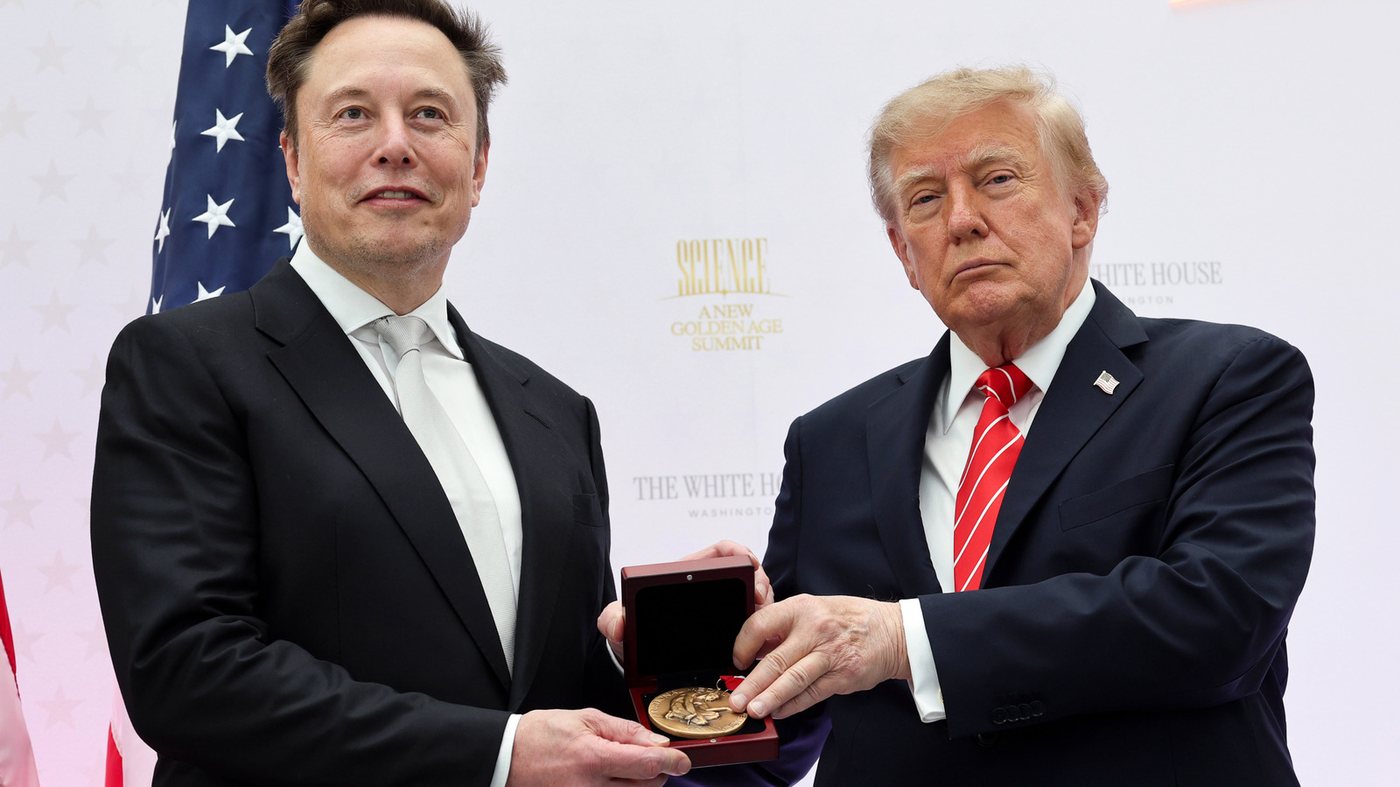
Donald Trump is responding to his midterm setback by turning towards the most radical wing of the Maga movement, a move that commentator Corrado Formigli describes as a «black turn» in the former president's political strategy. The shift comes after a defeat that has prompted a reassessment of how Trump intends to hold his base and shape the next phase of his political project.
Formigli's analysis, published by Elle Italia in its coverage of the post-midterm landscape in 2026, points to the influence of figures closest to the hardline current of the movement. Among them is Steve Bannon, long associated with the radical Maga wing, whose presence in the political conversation reflects the weight the movement's most combative voices now carry. Stephen Miller is also cited as an influential adviser, and his role in shaping the direction of the White House's approach is part of the context Formigli sets out.
The change in emphasis is significant because it suggests how Trump may campaign and govern in the period ahead. Rather than trying to widen his appeal beyond his existing supporters, the analysis describes a turn towards the energy of a radical core. That framing presents the move as a deliberate choice rather than a passing adjustment, reflecting a calculation about where Trump's political strength lies after an electoral result that fell short of his expectations.
The broader mood, as presented in the analysis, is unfavourable to him. Formigli's assessment is that the country is against Trump. The material available does not include exact polling figures to quantify that judgement, so the scale of opposition cannot be measured from the notes on which this report is based. Readers should therefore treat the characterisation as a commentator's reading of public sentiment rather than as a statistically established finding.
The midterm result has also sharpened a division within the movement and the wider Republican political landscape between those who favour a more combative posture and those who would prefer a broader electoral message. The analysis situates the new direction within that tension, framing the turn as one that emphasises loyalty and confrontation over compromise. The consequences of that choice, including how it will affect relations with more moderate allies and voters, are not detailed in the available material.
The analysis is drawn from a short summary, and the complete reasoning, supporting data and any later developments are not part of the material on which this report rests. What is clear from the available account is the direction described: a sharper move towards the Maga movement's radical core as Trump seeks to regroup after a difficult electoral result, with Bannon and Miller identified as figures whose influence on that course is central to Formigli's reading.
Source: elle.com
13