Business 396
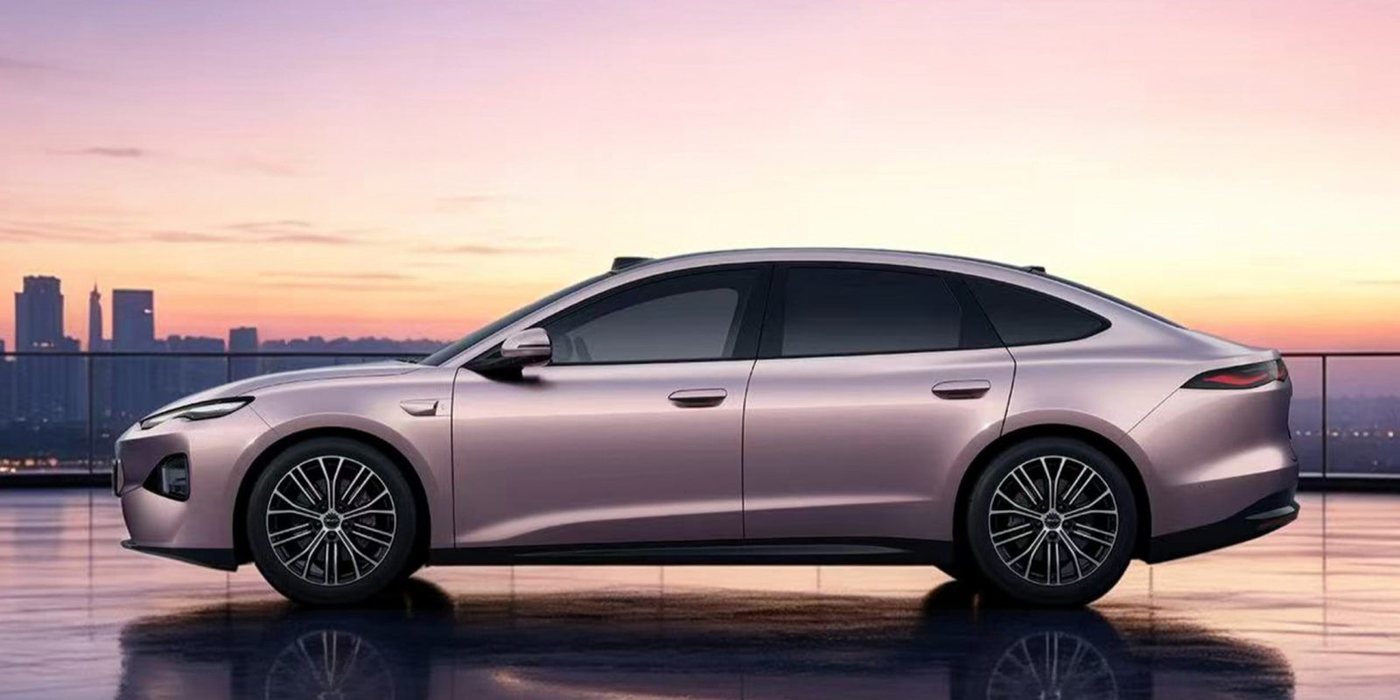
BYD launches Denza N8 luxury SUV with 1,000 km claimed range in China
In this issue
Business 396
BYD launches Denza N8 luxury SUV with 1,000 km claimed range in China
Culture 415
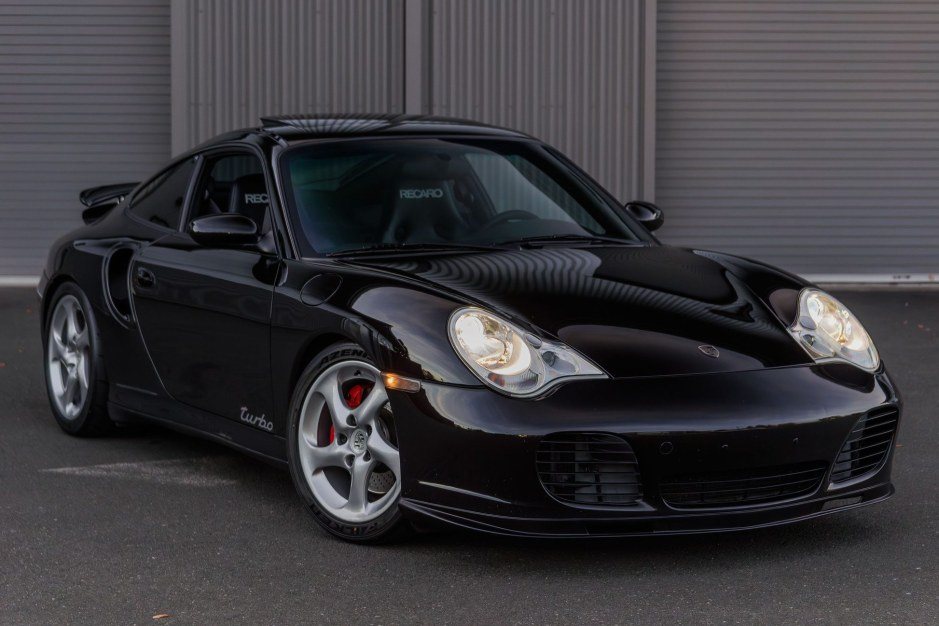
Modified 2002 Porsche 911 Turbo offered with 71,000 miles
Economy 54
European Electric Car Sales Jump 49 Percent in Battery-Electric Growth Surge
News 171
Britons stock up on tinned food and bottled water after Be Ready campaign
Politics 127
Trump turns to Maga's radical wing after midterm defeat
Sports 306
Wembley selected to host final as UK bid for 2035 Women’s World Cup advances
Technology 372
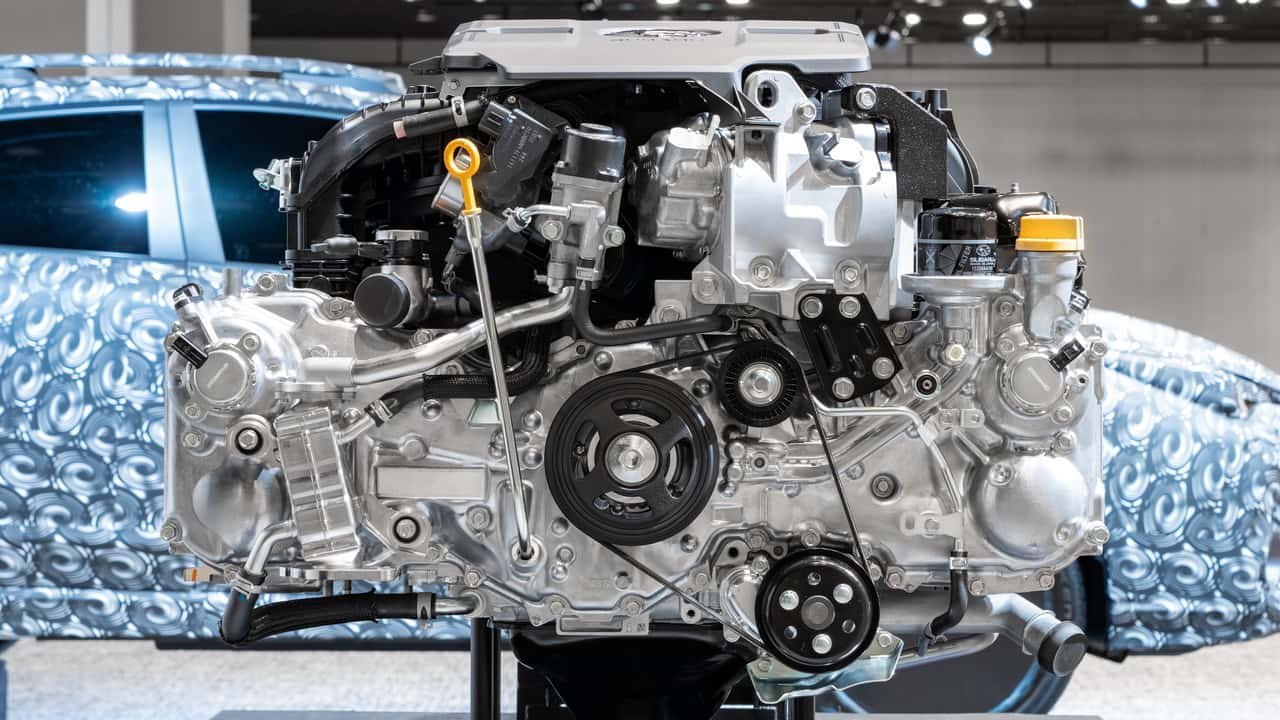
Subaru Targets 50% Thermal Efficiency With Next-Gen Boxer Engine
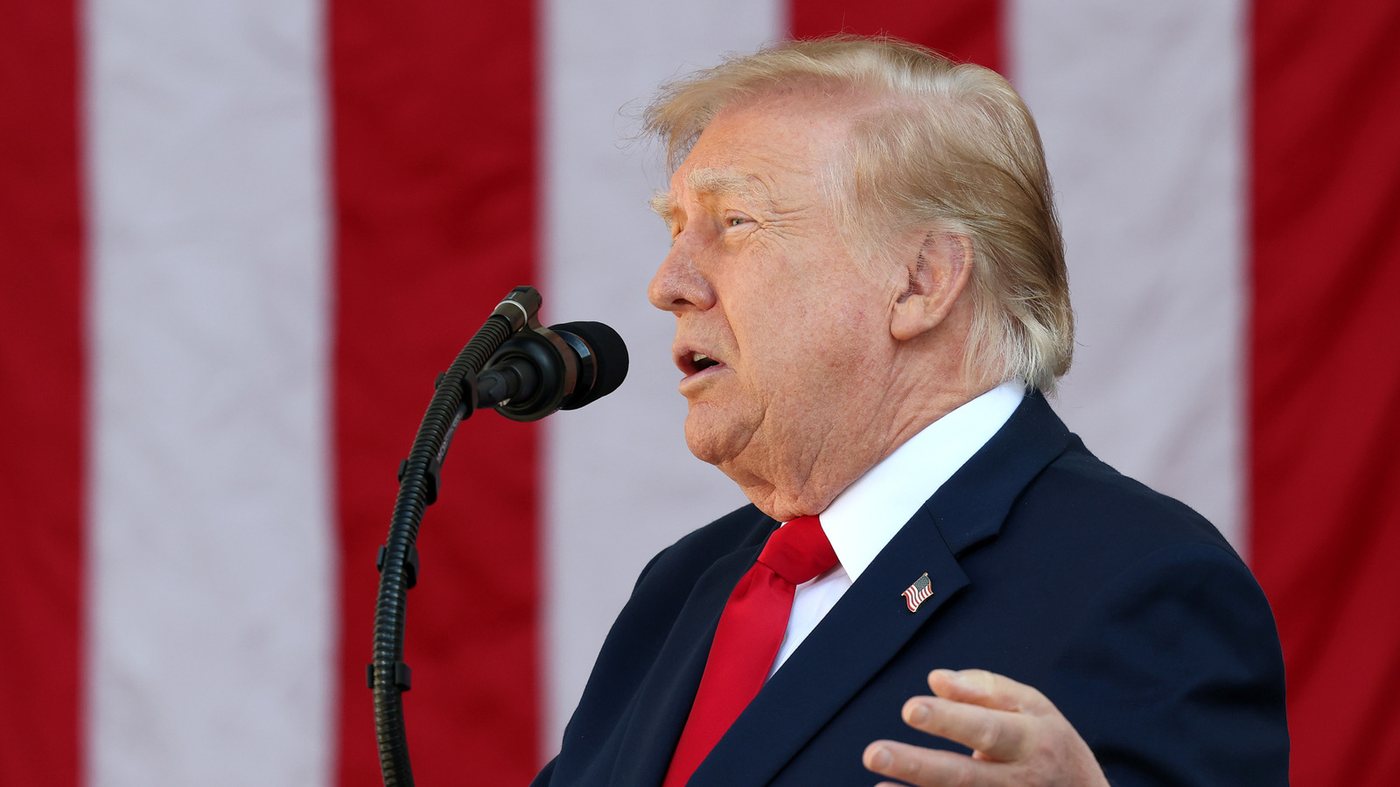
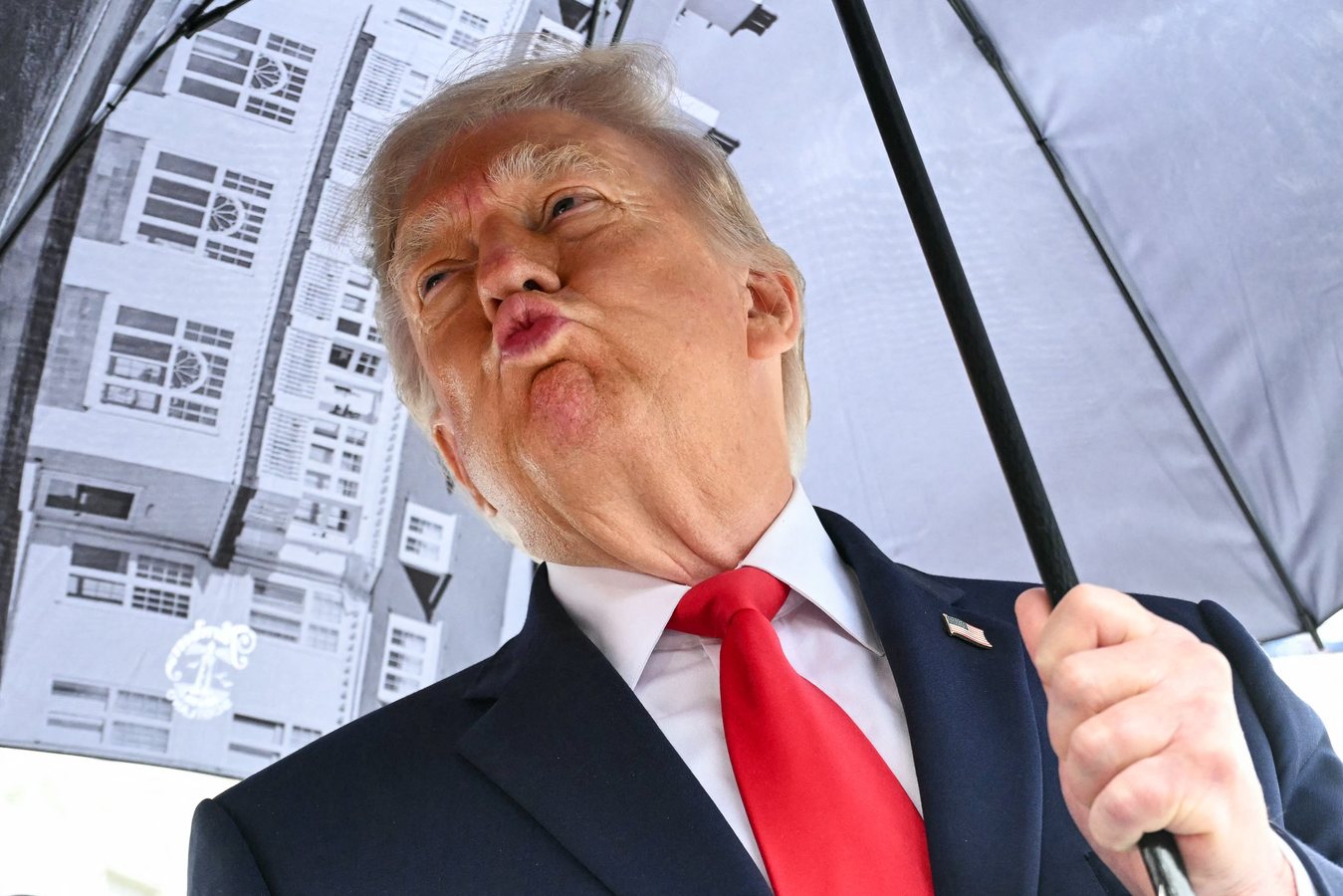
Donald Trump has said the United States does not need a deal with Iran, a stance that analysts say is unhelpful for oil prices while a costly US Navy blockade of the Strait of Hormuz continues.
By Eleanor Ellington · 3 min read
Donald Trump has said the United States does not need a deal with Iran, a remark that is being reported as likely to weigh on oil prices at a time when a prospective agreement with Tehran already looks difficult to reach.
The comments come as the US Navy maintains a blockade of the Strait of Hormuz, the narrow waterway through which a large share of the world's seaborne oil passes. The blockade is reported to be costly to the United States, and the reporting suggests it may continue indefinitely, with no clear timetable for when it might end. Because the operation has no fixed endpoint, the financial and military burden on Washington is open-ended as well.
Negotiations with Iran are described as elusive. Rather than a path toward a settlement, the president's position is framed as a refusal to engage that amounts to giving up without conceding anything. In that reading, the no-deal stance does not resolve the underlying dispute over the strait; it simply leaves the standoff in place, with both sides continuing to hold their positions and no agreed framework for talks.
Markets tend to react sharply to any sign that tensions around the Gulf could persist, since uncertainty over shipping through Hormuz feeds directly into expectations for crude supply. Any extended disruption to traffic through the waterway raises the prospect of tighter supply, which is why the president's statement is being read through the lens of energy prices rather than diplomacy alone. Traders and consumers alike tend to price in that risk well before any physical shortage appears.
The reporting on the remark centres on the president's own words and the reaction they have drawn. Its framing as a rejection of a deal, rather than a proposal for one, is what has led commentators to argue that it does little to move the situation toward resolution. The Jalopnik report that carries the statement presents it in that light, emphasising the gap between the White House's stated posture and the practical difficulty of ending the blockade without an agreement.
Several key questions remain open. The duration of the blockade has not been established, the cost to the US has not been quantified in the available reporting, and the precise effect of the remarks on oil prices has not been measured. No figures have been published for the financial outlay of the naval operation, and no estimate has been given of how much the market reaction, if any, has moved crude prices. What is clear is that the absence of a deal leaves both the blockade and the broader confrontation unresolved, with no date set for a change in course.
Source: jalopnik.com
2