Business 396
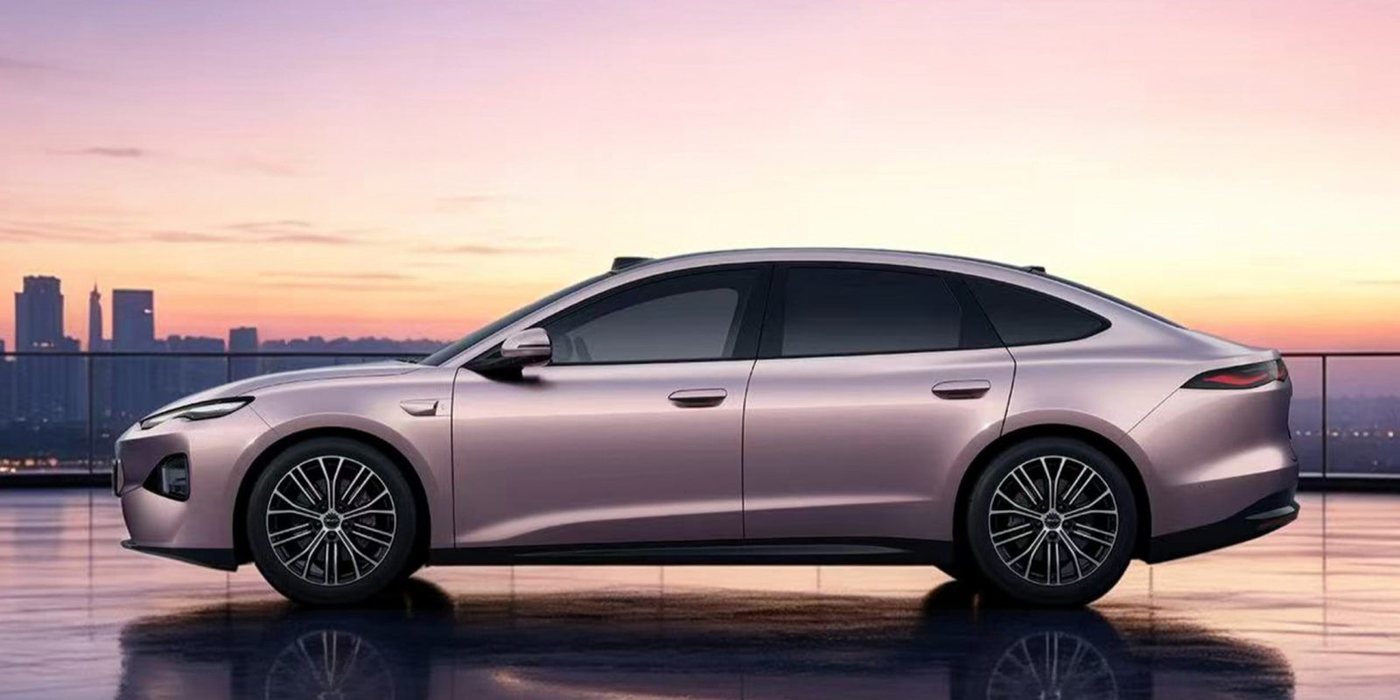
BYD launches Denza N8 luxury SUV with 1,000 km claimed range in China
In this issue
Business 396
BYD launches Denza N8 luxury SUV with 1,000 km claimed range in China
Culture 414
Writer tests Audi SQ5 on 1,000-mile family trip to France with baby
Economy 54
European Electric Car Sales Jump 49 Percent in Battery-Electric Growth Surge
News 171
Britons stock up on tinned food and bottled water after Be Ready campaign
Politics 127
Trump turns to Maga's radical wing after midterm defeat
Sports 305
Gill Bowls First as Rain Cuts Hamilton ODI to 40 Overs
Technology 372
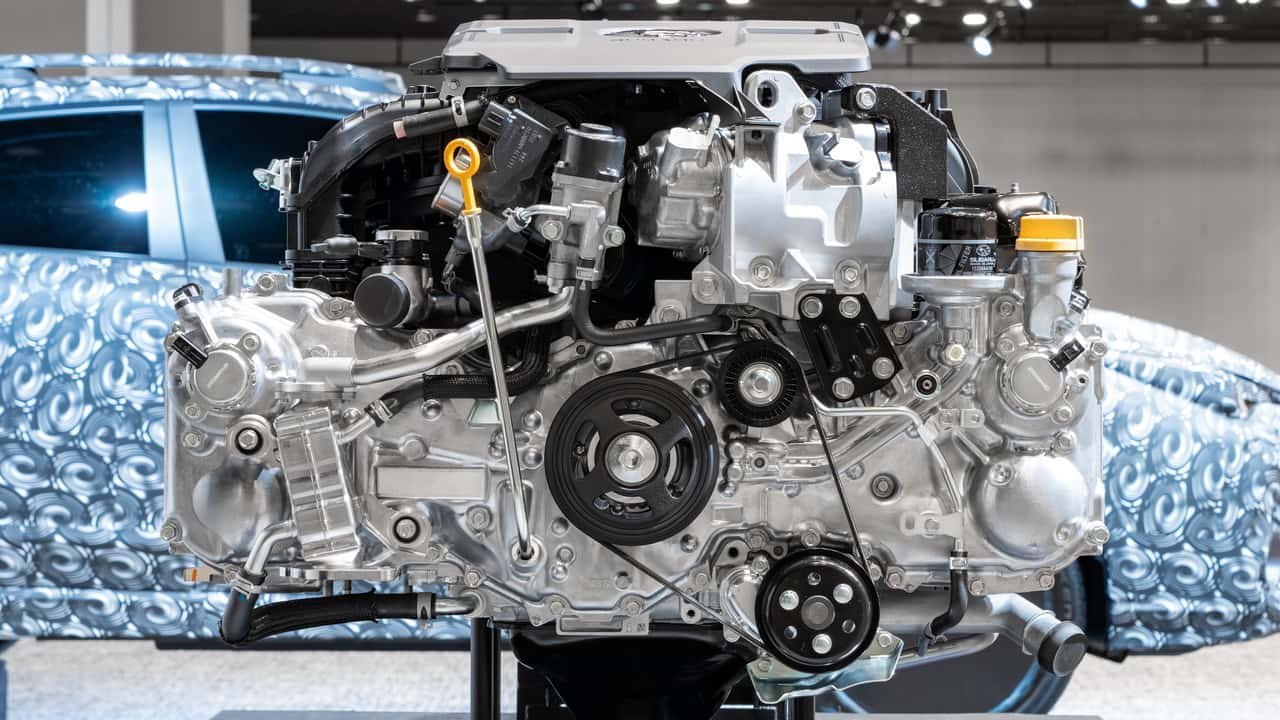
Subaru Targets 50% Thermal Efficiency With Next-Gen Boxer Engine
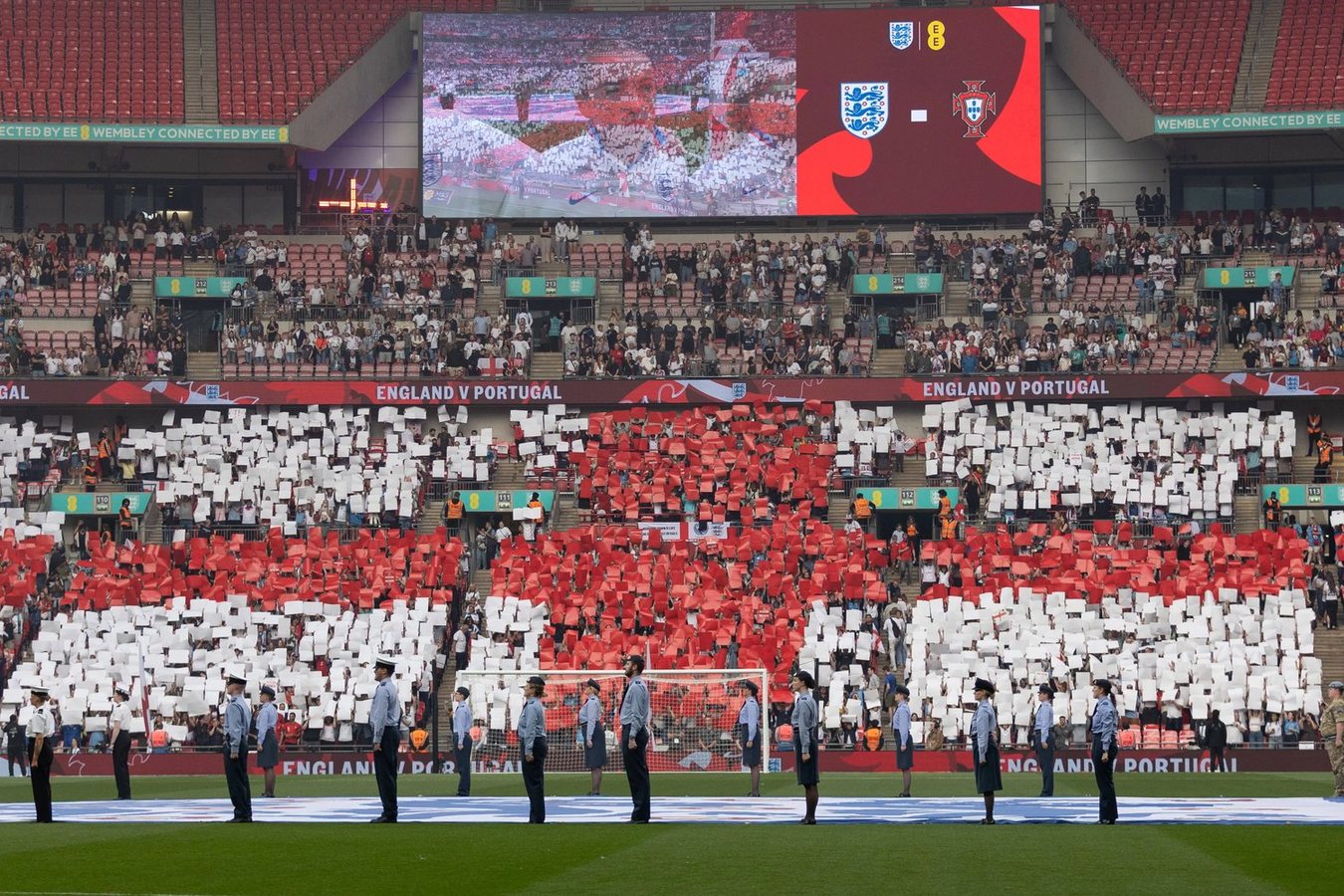
FIFA has said the joint England, Scotland, Wales and Northern Ireland bid meets its minimum hosting requirements, with 19 stadiums in 15 host cities proposed and Wembley chosen to stage the final.
By George Kensington · 3 min read
The joint United Kingdom bid to host the 2035 Women’s World Cup has taken a significant step forward after FIFA confirmed that it meets the organisation’s minimum hosting requirements. The bid, submitted by England, Scotland, Wales and Northern Ireland under the theme «All Together», proposes 19 stadiums across 15 host cities, with Wembley Stadium in London selected to host the final.
Of the proposed venues, 14 are in England, two are in Wales, two are in Northern Ireland and one is in Scotland. Spreading matches across four nations is a central feature of the proposal, which presents the tournament as a shared project rather than one led by a single host country. The bid draws on recent experience, including UEFA Women’s Euro 2022 and the preparations under way for Euro 2028, both of which the four nations cite as evidence of their capacity to stage large-scale women’s football events.
FIFA’s evaluation covers two joint bids for the Women’s World Cup, one for 2031 and one for 2035. The assessment is part of a process that now moves to a vote by FIFA member associations at an Extraordinary Congress on November 23, where the final decision will be taken. Meeting the minimum requirements does not guarantee selection, and the outcome remains uncertain until that vote takes place.
The competing 2031 bid comes from the United States, Mexico, Costa Rica and Jamaica. It is built around a tournament that would expand from 32 teams to 48, and it lists 20 stadiums, with four possible venues for the final: Atlanta, Dallas, Los Angeles and New Jersey. FIFA expects around 4.5 million spectators for a 2031 tournament on that basis, a figure that gives a sense of the scale the North American proposal is pitching against the British one.
FIFA’s assessment also noted that some of the 2031 venues may need their artificial pitches replaced with grass, a detail that will be weighed alongside the wider merits of each proposal. The contrast highlights the different approaches of the two bids: the UK proposal relies on established football grounds across four nations, while the North American plan depends on a larger number of venues across several countries and a bigger field of teams.
Separately, plans to upgrade Windsor Park, the home of Northern Ireland football, were revealed alongside the UK bid. The investment forms part of the infrastructure case the four nations are putting to FIFA, showing how each home nation expects its own grounds to contribute to a shared tournament. Because the final decision rests with FIFA’s member associations rather than the bid teams, the November vote will determine whether these plans move forward as part of a World Cup campaign.
5