Business 394
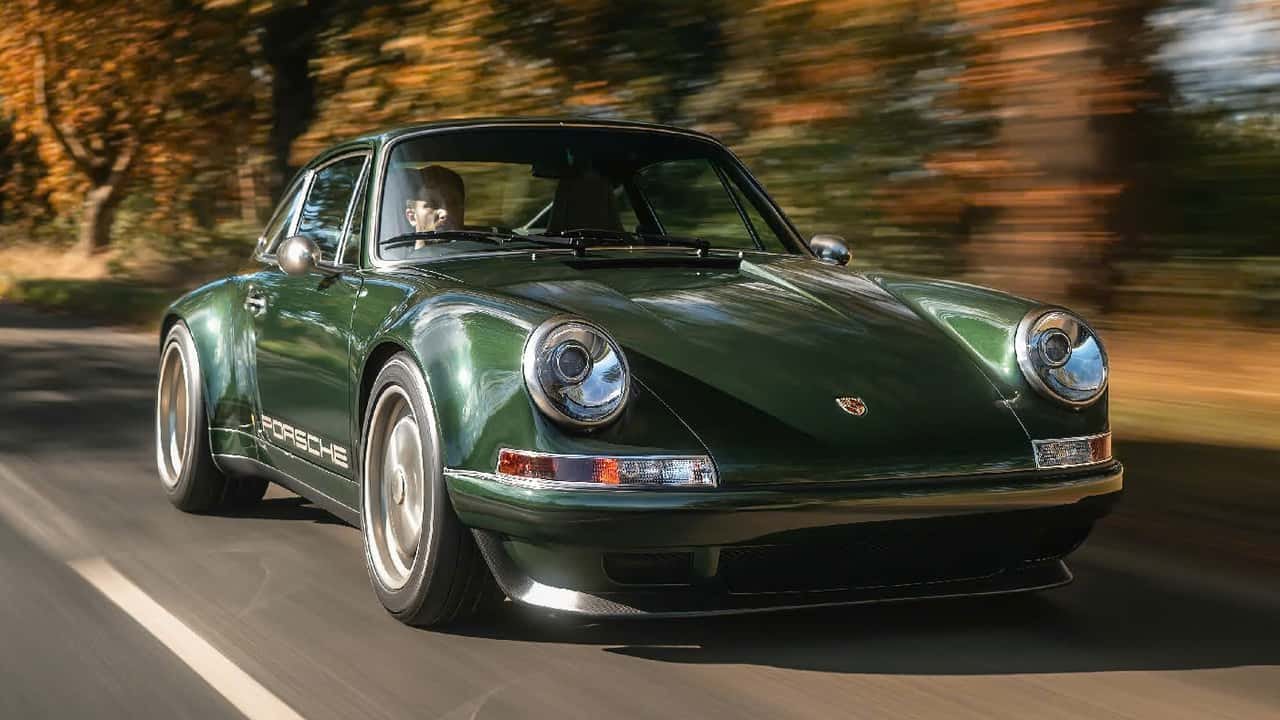
Theon Design Launches Online Configurator and North American Concierge Service
In this issue
Business 394
Theon Design Launches Online Configurator and North American Concierge Service
Culture 414
Writer tests Audi SQ5 on 1,000-mile family trip to France with baby
Economy 54
European Electric Car Sales Jump 49 Percent in Battery-Electric Growth Surge
News 171
Britons stock up on tinned food and bottled water after Be Ready campaign
Politics 127
Trump turns to Maga's radical wing after midterm defeat
Sports 305
Gill Bowls First as Rain Cuts Hamilton ODI to 40 Overs
Technology 372
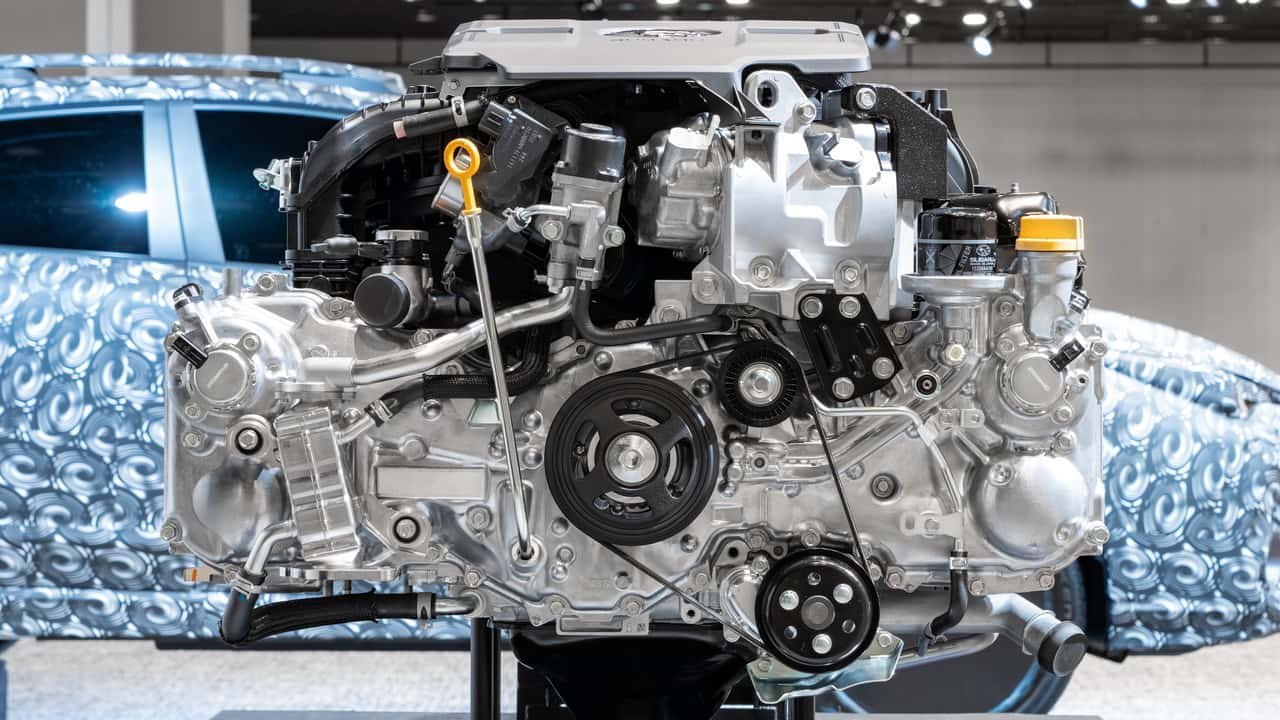
Subaru Targets 50% Thermal Efficiency With Next-Gen Boxer Engine
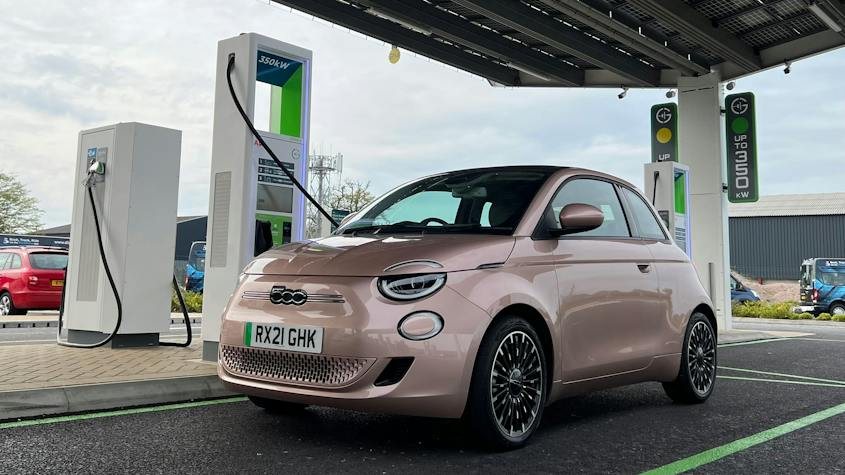
An impact assessment suggests public electric vehicle charging may exceed £1 per kWh before VAT, with steep rises in standing charges falling on drivers who rely on public chargers.
By Eleanor Ellington · 3 min read
Drivers who depend on public electric vehicle chargers may soon face prices of more than £1 per kilowatt-hour before VAT is added, according to an impact assessment that looks at the standing charges set by public charger operators. The projection points to a sharp increase in the fixed fees motorists pay for connecting to a charger, regardless of how much electricity they draw.
The estimate focuses on the cost pressure building up for people who charge away from home. Standing charges are levied simply for using a charger, so they weigh most heavily on drivers who top up briefly or charge infrequently and cannot spread the cost across large volumes of electricity. The concern raised in the assessment is that these fees are rising quickly, and that the burden is falling on the drivers least able to avoid it.
The £1 per kWh figure excludes VAT and other running costs, which means the amount a driver actually pays at the plug could be higher once those are included. The source material does not give exact rates for individual operators, nor does it specify when the increases would take effect, so the precise scale of the rise remains uncertain. It is also unclear how broadly the change would affect all drivers, since the impact depends heavily on how and where each person charges.
The projection comes as more motorists switch to battery electric cars and rely on the public network to keep them moving. Those without off-street parking, and so unable to charge at home on a domestic tariff, are likely to feel the pressure most directly. For this group, higher standing charges can quickly erode the running-cost advantage that electric cars are often promoted as offering over petrol and diesel vehicles.
Standing charges work differently from the per-unit price of electricity. Because they are fixed, they penalise short sessions most of all. A driver who plugs in for a brief top-up pays the same connection fee as someone who stays for hours, which pushes the effective cost per kilowatt-hour up for those who charge only a little at a time. That dynamic is central to the concern in the assessment, and it explains why the headline estimate is framed around per-unit pricing rather than the headline rate alone.
The source material does not include quotes from charger operators, government bodies or drivers' groups, and it does not record any formal response to the assessment. Nothing in the available information indicates a timetable for the changes, so the figures should be read as an estimate rather than a confirmed price rise. What is clear is that the cost of public charging is becoming an increasingly important factor for anyone weighing up an electric car, and that standing charges are emerging as a central part of that calculation.
Source: autoexpress.co.uk
2