Business 393
Theon Design Launches Online Configurator and North American Concierge Service
In this issue
Business 393
Theon Design Launches Online Configurator and North American Concierge Service
Culture 413
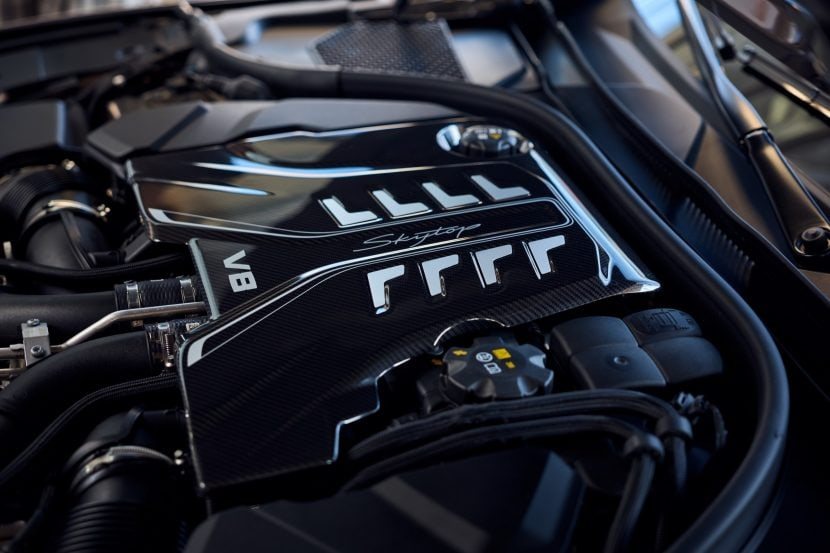
Czech owner takes delivery of BMW Skytop at BMW Welt in Munich
Economy 54
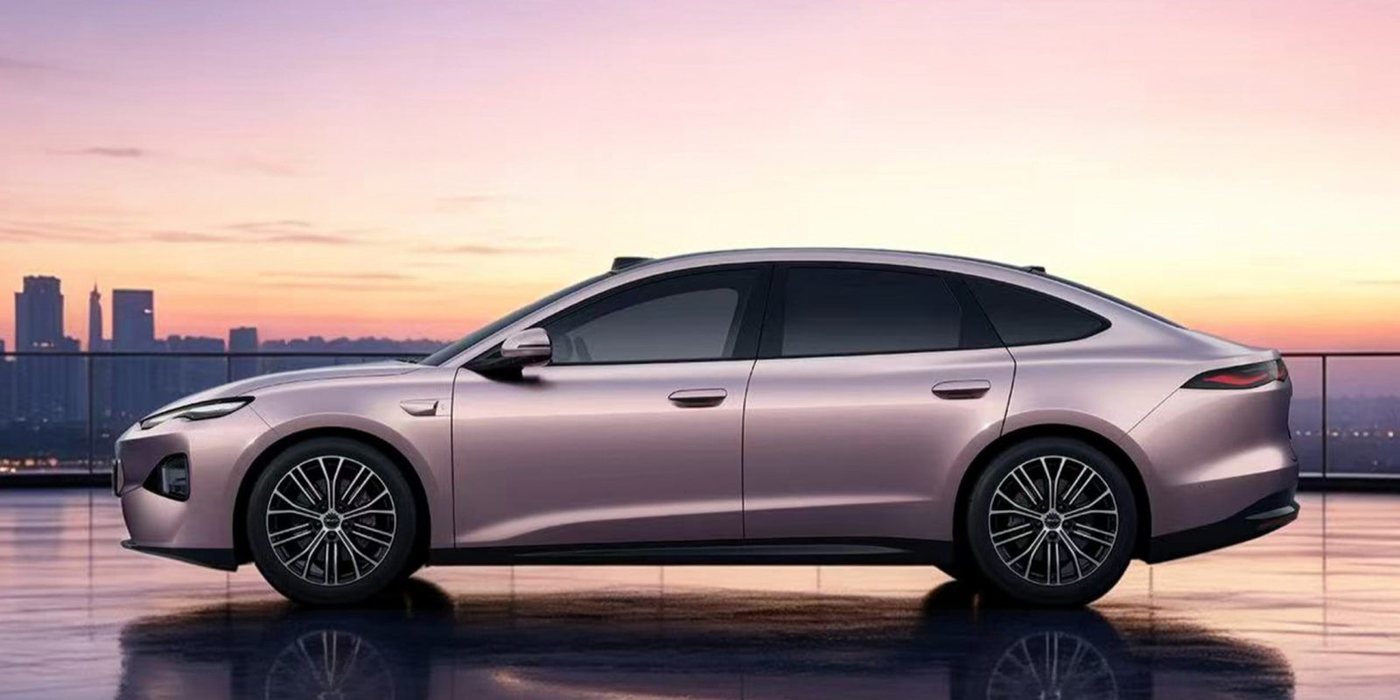
European Electric Car Sales Jump 49 Percent in Battery-Electric Growth Surge
News 171
Britons stock up on tinned food and bottled water after Be Ready campaign
Politics 127
Trump turns to Maga's radical wing after midterm defeat
Sports 305
Gill Bowls First as Rain Cuts Hamilton ODI to 40 Overs
Technology 372
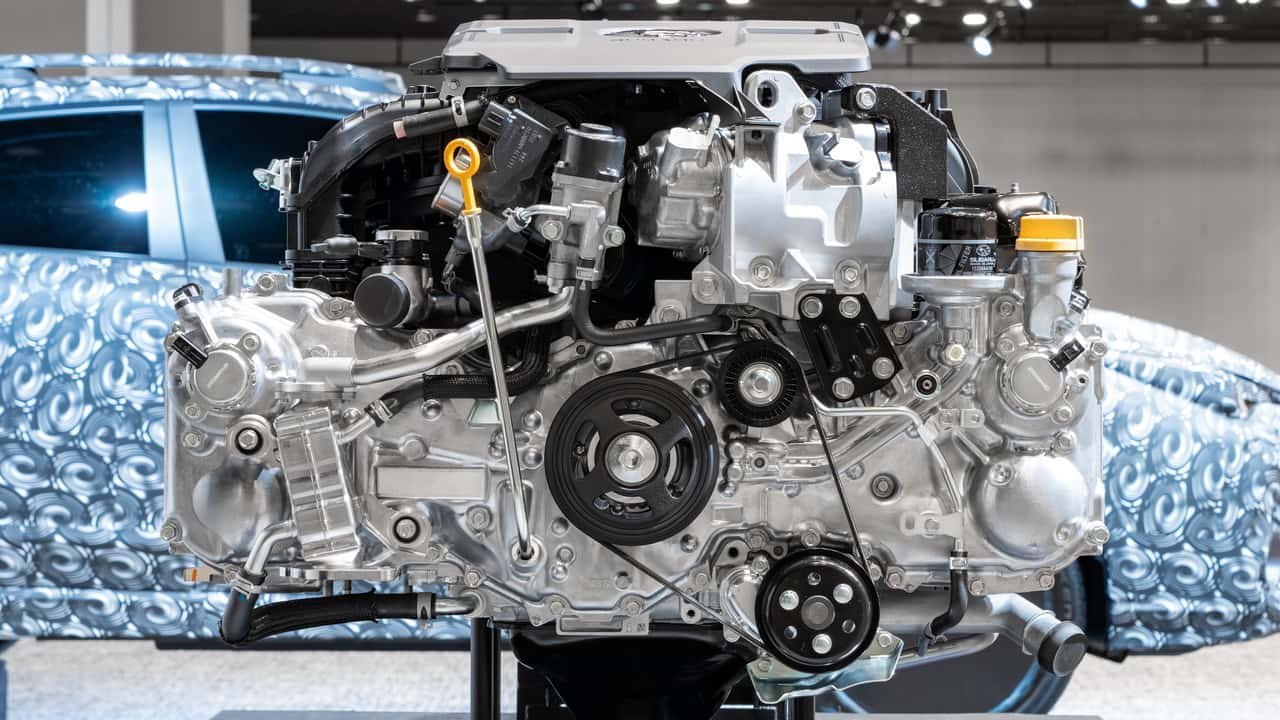
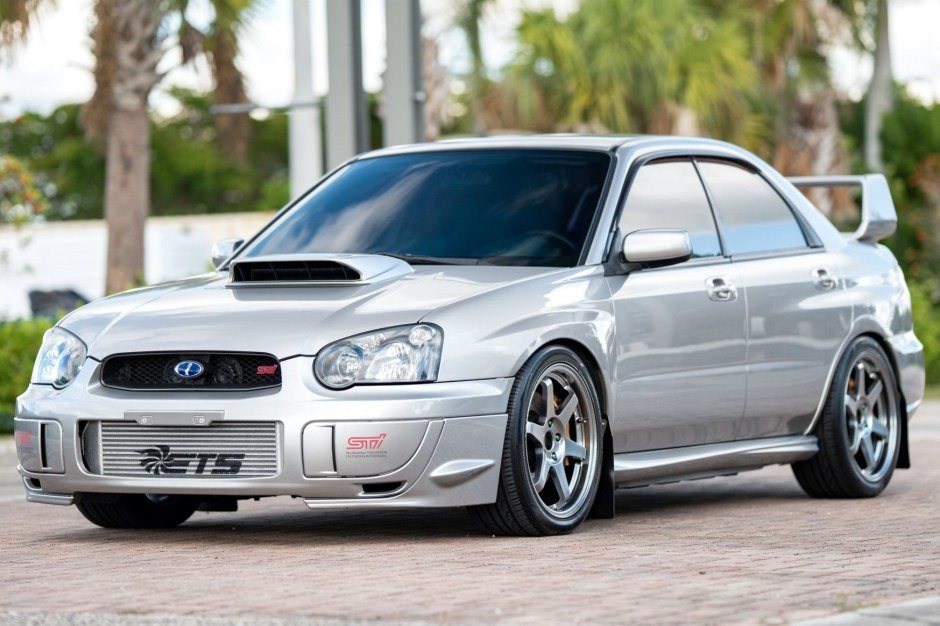
Subaru Targets 50% Thermal Efficiency With Next-Gen Boxer Engine
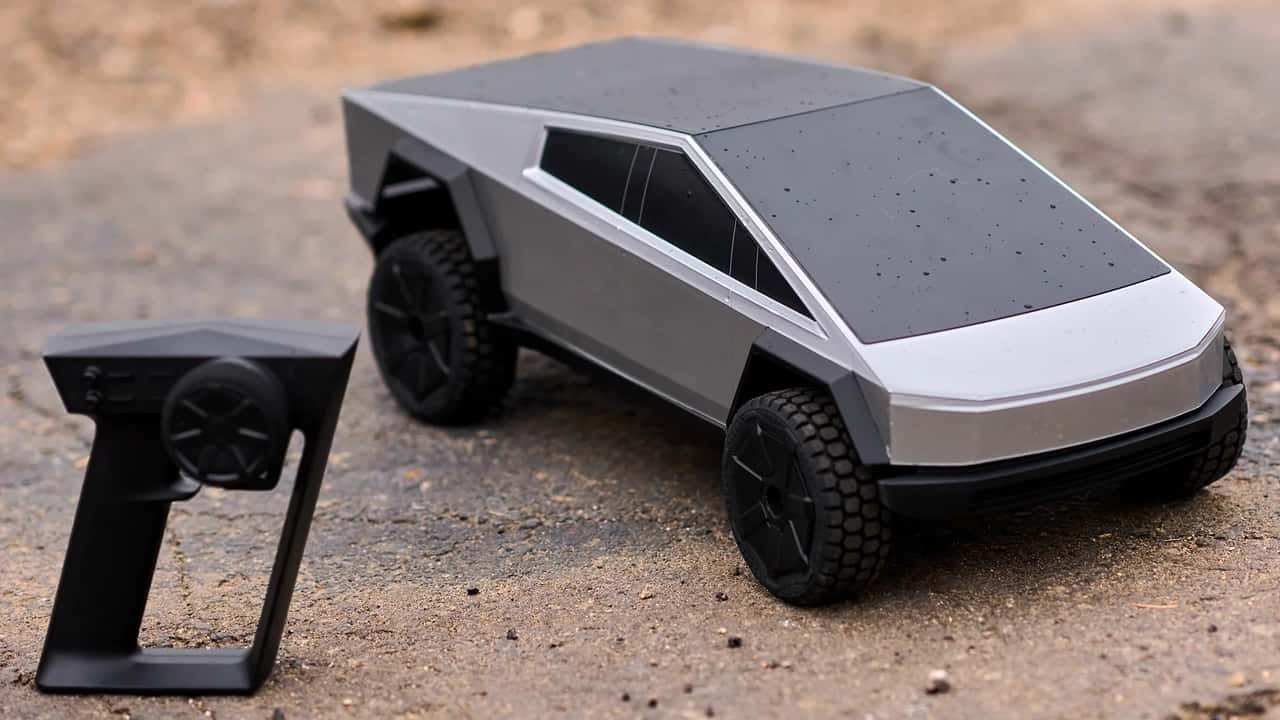
Elon Musk has reversed plans to end Cybertruck production by mid-2027, extending the line to fulfil existing orders, though questions remain over the wider impact on Tesla's business.
By Eleanor Ellington · 3 min read
Tesla will keep building the Cybertruck until late summer 2027, after Elon Musk reversed an earlier plan to wind down production by mid-2027. The chief executive announced the extension on X, saying the company would continue making the pickup to fulfil orders from customers who have already committed to buying one.
The decision marks a notable change of course. The original plan had been to end the production line within roughly eight months in order to free up capacity for the Cybercab, the company's planned autonomous vehicle. Musk now concedes that the extension is not a profit-maximising move. He has pointed to sentimentality and the truck's cult following as reasons for keeping it in production, rather than purely commercial considerations.
The Cybertruck has struggled to match the ambitions set for it. Musk had predicted annual volume of 250,000 units once the vehicle reached full production speed. In reality, about 63,000 Cybertrucks have been delivered in total so far, and only 8,295 were delivered in the most recent quarter. Earlier plans had included an additional shift to push output higher, a measure that is no longer part of the picture in the same form.
The vehicle's commercial lifespan is also short by the standards of Tesla's previous models. The Cybertruck is expected to have a production life of about four years, compared with more than a decade for the Model S and Model X. Development costs have been estimated near $6 billion, which makes the relatively brief run a significant point for investors and analysts to weigh.
Some existing buyers will receive their deposits back, a step that suggests not every order will be met under the extended schedule. It remains unclear whether all current orders will be fulfilled before production ends, and it is also uncertain whether the extension will delay the Cybercab programme that the earlier timetable had been designed to accelerate.
The Cybertruck has never been sold officially in Europe, which limits its reach for British and European buyers. The pickup also arrives in a market where rivals have shifted position. Ford has ended production of the F-150 Lightning, its main electric pickup, leaving the Cybertruck with one fewer direct competitor in the electric truck segment.
Tesla is also planning a public-road launch of its Roadster in about two years, a model priced at around £250,000 or more. Taken together, the Cybertruck extension and the Roadster plans show a company balancing a niche, high-profile product line against the larger strategic goal of scaling autonomous and mass-market vehicles.
Source: autocar.co.uk
15