
Business 123
Volvo Appoints Ex-Skoda Chief Klaus Zellmer as CEO to Deliver 13-Model Strategy
In this issue
Business 123
Volvo Appoints Ex-Skoda Chief Klaus Zellmer as CEO to Deliver 13-Model Strategy
Culture 129
1972 Ferrari 365 GTC/4 Offered in California
Economy 31
Diesel Hits $10 a Gallon in California as Stations Run Dry
News 129
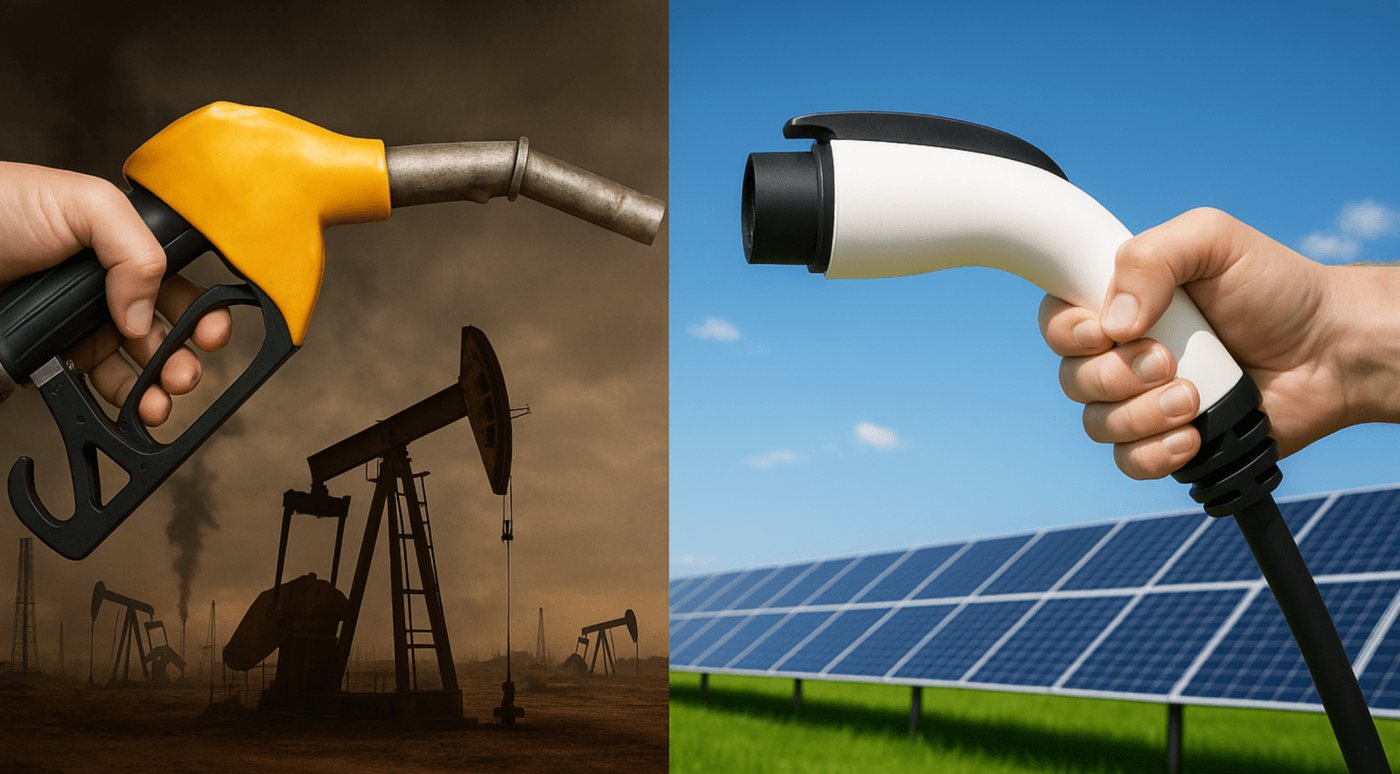
Oil Conflicts Disrupt Global Supply as Electric Cars Remain Unaffected
Politics 105
Reform UK's Welsh Leader Dan Thomas Resigns After Arrest on Suspicion of Assault
Sports 241
Wolves to Host West Brom in Championship Clash
Technology 145
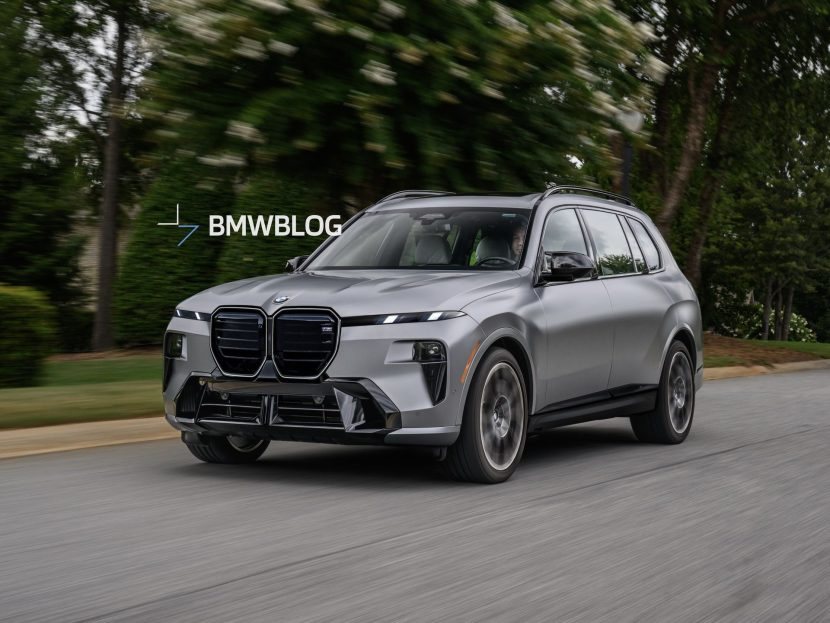
BMW Confirms 2028 X7 for Spartanburg Production
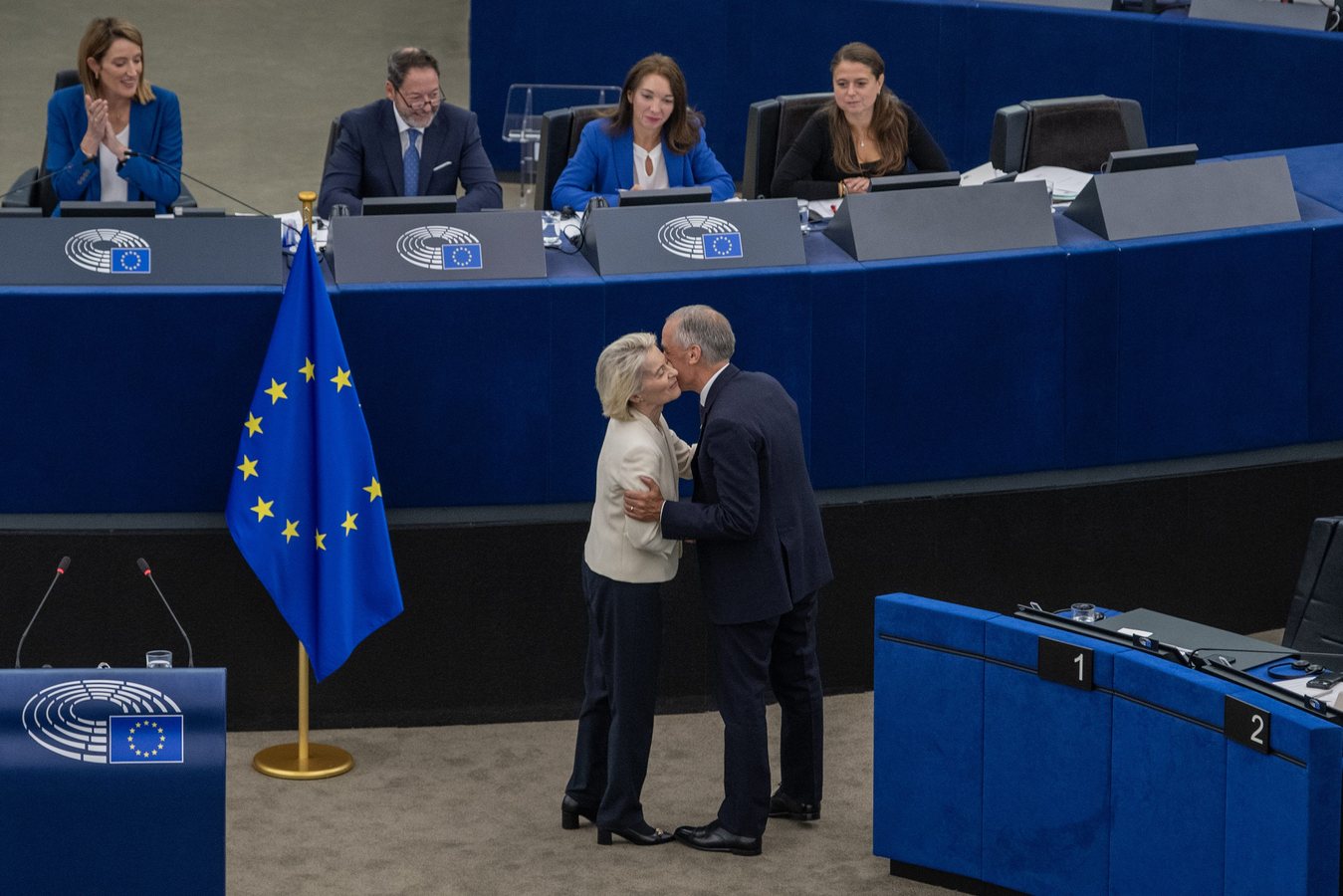
Ursula von der Leyen has proposed Canada as the EU's first associate member, a status that would deepen ties without granting full membership or voting rights in the Council.
By George Kensington · 4 min read
Ursula von der Leyen has proposed that Canada become the European Union's first «associate member», a new status designed to deepen cooperation without granting Ottawa full membership of the bloc. The European Commission president floated the idea as a way of formalising an increasingly close relationship between Brussels and a like-minded democracy, but the proposal falls well short of making Canada the EU's 28th member state.
The distinction matters. Full EU membership brings binding obligations: participation in the single market's four freedoms, adherence to the common fisheries and agricultural policies, contributions to the EU budget, and a seat at the table where laws are made. Associate membership, by contrast, would be a bespoke arrangement. It would not give Canada voting rights in the Council of the EU or a say in the appointment of commissioners. It would not require Canada to adopt the euro or join the Schengen passport-free area. In practical terms, it is closer to a structured partnership than to accession.
The proposal reflects a broader shift in European thinking about how to organise relations with friendly countries that are unlikely ever to join. The EU already operates a spectrum of relationships, from the European Economic Area, which extends the single market to Norway, Iceland and Liechtenstein, to association agreements with Ukraine, Moldova and Georgia that stop short of membership. A dedicated associate status for Canada would sit somewhere on that spectrum, offering political alignment and privileged access without the full legal and institutional commitments of accession.
For Canada, the appeal is partly economic and partly strategic. Ottawa has long sought to diversify its trade away from dependence on the United States, and a deeper institutional tie with the world's largest single market would serve that goal. Canada already has a comprehensive free trade agreement with the EU, the Comprehensive Economic and Trade Agreement, which has been in provisional application since 2017. Associate membership could build on that framework by adding cooperation on research, climate policy, defence procurement and regulatory standards.
The political symbolism is also significant. Canada and the EU share positions on multilateralism, climate action and the rules-based trading system, and both have faced pressure from an increasingly transactional American administration. Von der Leyen's proposal signals that Brussels is willing to reward alignment with something more than warm words, even if the reward is not a seat in the European Parliament.
There are obstacles. Creating a new category of membership would require agreement among the 27 existing member states, some of which are wary of diluting the EU's core or of setting a precedent that other countries might invoke. The legal basis for associate membership is unclear, and the European Commission would need a mandate from the Council to negotiate. Canada, for its part, would have to weigh the benefits against the risk of appearing to subordinate its foreign policy to European positions.
For now, the proposal remains a suggestion rather than a formal offer. But it opens a debate about what the EU is for and who it is for, at a time when the bloc is reconsidering its place in a world of great-power competition. If Canada becomes the first associate member, it will not be the last country to ask what the status entails.