Business 285
Rivian raises 2026 delivery forecast as R2 becomes its best-seller
In this issue
Business 285
Rivian raises 2026 delivery forecast as R2 becomes its best-seller
Culture 316
Left-hand-drive 1967 Mini Cooper S restored in green goes up for sale
Economy 48
Three Tankers Reportedly Strike Mines in Strait of Hormuz
News 161
Private parking firms face pressure as UK motorists call for fairer rules
Politics 120
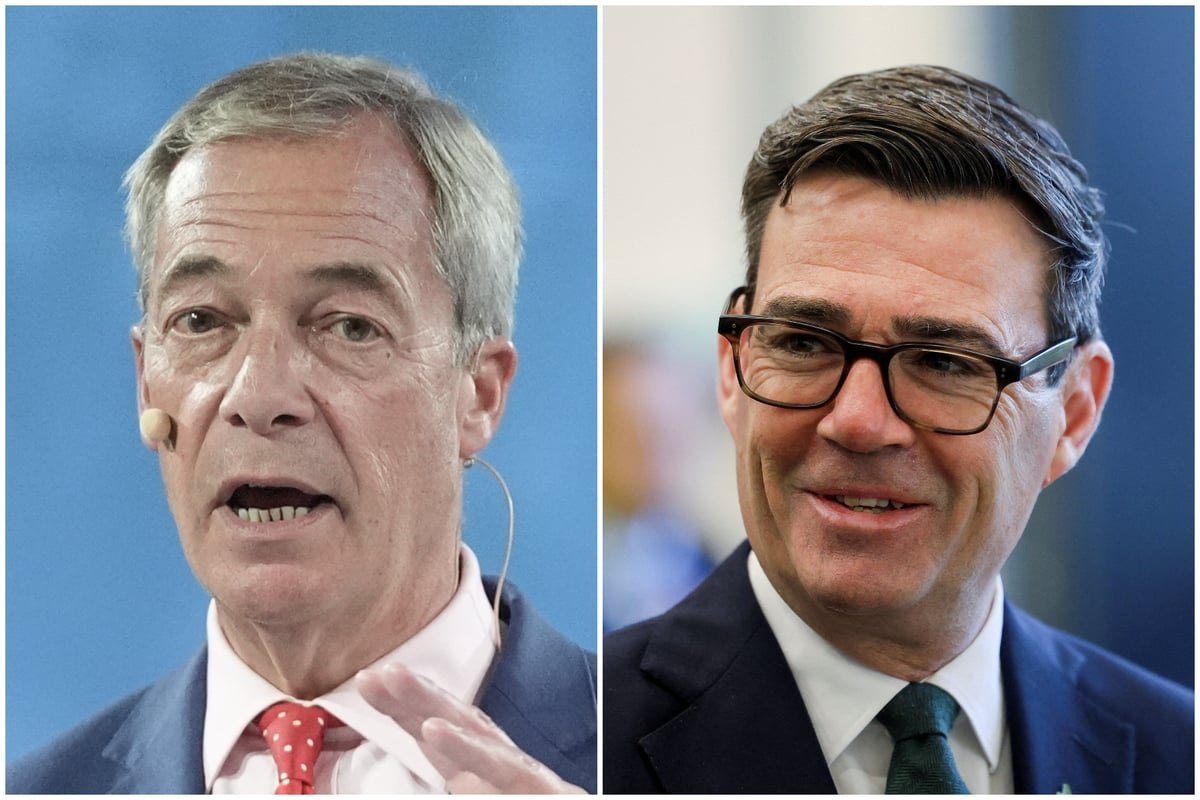
Burnham and Farage clash as UK and EU officials open freedom of movement talks
Sports 288
Toyota reclaims endurance crown with Le Mans and WEC double
Technology 345
BMW M350 gets Drift Moment mode sending all power to rear wheels

The prime minister has rejected claims that he curbed ministers from speaking about plans for a closer relationship with the European Union, saying he asked them not to advocate specific options during the review.
By George Kensington · 3 min read
Prime Minister Andy Burnham has denied that he has prevented ministers from talking publicly about plans for a closer relationship with the European Union, after questions were raised about the limits placed on government voices on the subject.
The source material for this report centres on a letter the prime minister sent to ministers. In it, he wrote that he did not want them to « advocate for specific options or opine on the likely outcome of the process ». The request, as described, is aimed at keeping the government's position neutral while the process under way runs its course, rather than at silencing discussion altogether. By his account, ministers remain free to discuss the broad direction of the relationship, but are being asked to avoid endorsing particular routes or predicting how the review will end.
The row comes against a wider backdrop of economic pressure. Related coverage published on the same day, including reporting from the BBC and the Telegraph, pointed to warnings from think tanks and the Institute for Fiscal Studies that living standards could come under severe strain in the years ahead. The Telegraph reported the IFS warning that Britain faces an unprecedented squeeze, while the BBC described the prospect of « painful » years ahead as living standards are set to fall.
The Guardian's live coverage added a further dimension. A thinktank analysis cited in its reporting suggested the 2020s could be the worst decade for living standards growth, and Chancellor John Healey was reported to have accepted that « hard decisions » lay ahead. Those forecasts give the question of household finances particular weight, because they set the financial context in which any decision on the country's future trading relationship with the EU would be taken.
Concerns about the cost of living, public spending and tax have made the government's handling of major policy decisions a sensitive matter for voters and for the business community. Companies with trade exposure to the EU have an interest in clarity over the relationship, and households already facing pressure on incomes will look closely at any link between a closer EU deal and the cost of goods and services. The source material does not set out the specific economic effects of the plans under review, and this report does not speculate on them.
The prime minister's denial places the emphasis on process rather than content. Whether that distinction will satisfy critics who believe the government is holding back on its plans remains to be seen. Opposition figures and commentators have previously argued that a clearer public account of the government's ambitions for EU relations would help businesses and households plan ahead, and the letter and the response to the criticism are likely to feature in that debate in the coming days.
3