Business 271
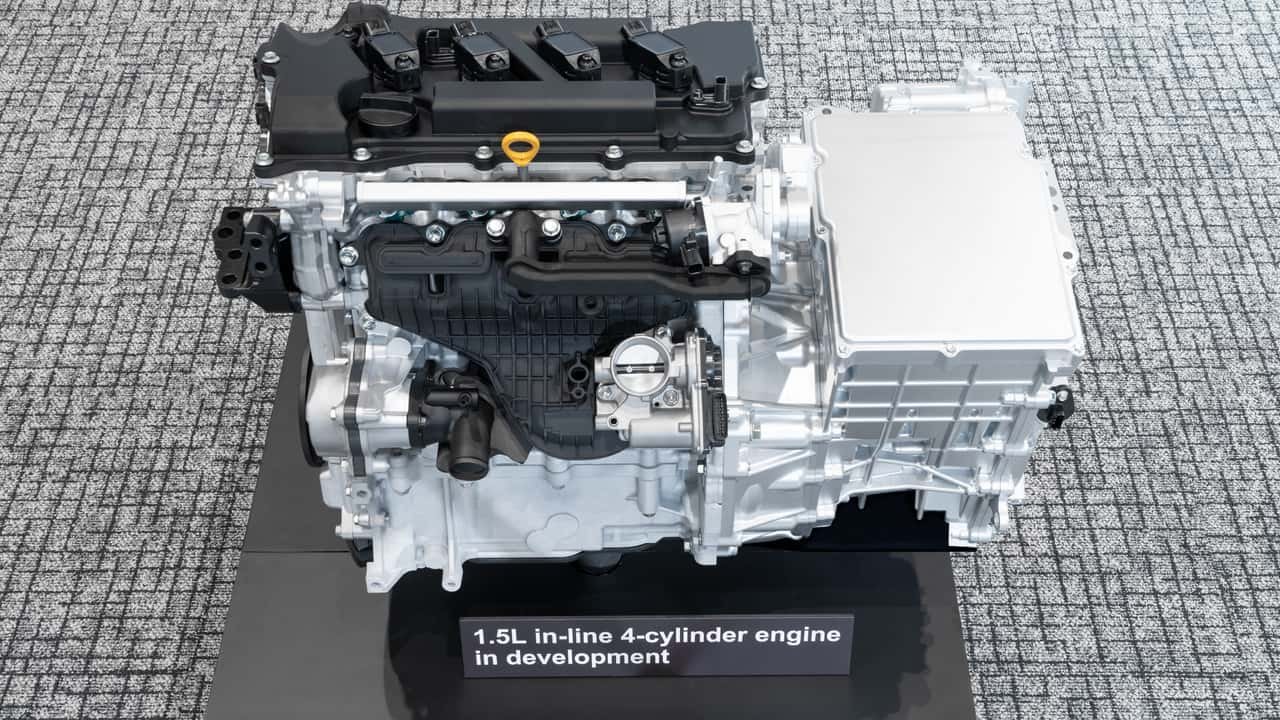
Toyota to sell new petrol engines to rival carmakers for $1.7 billion yearly
In this issue
Business 271
Toyota to sell new petrol engines to rival carmakers for $1.7 billion yearly
Culture 308
DriverSource Unveils Nine Classic Cars for 2026 Oktmotorfest Auction
Economy 45
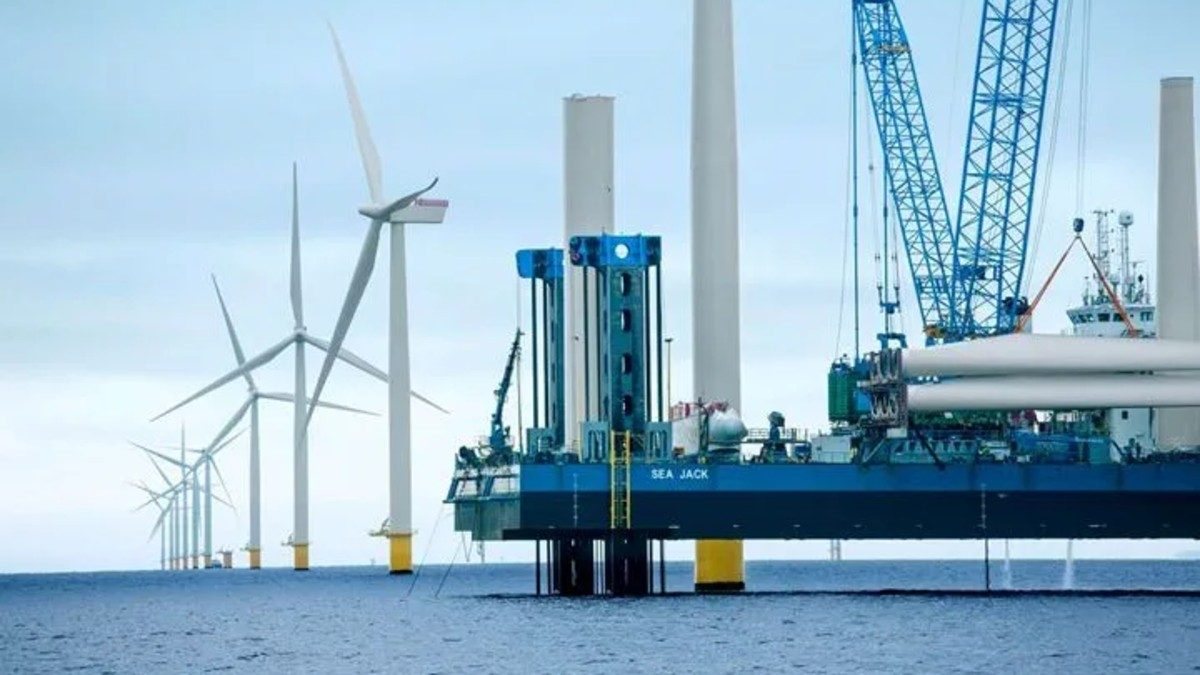
Renewables set to overtake natural gas in US generating capacity within a year
News 160
Russian-linked tanker Myra sends distress signal off Ireland
Politics 119
Vance blames «tinpot dictators» for gas price spikes and draws online backlash
Sports 286
Aston Villa and Manchester City meet in Premier League fixture
Technology 339
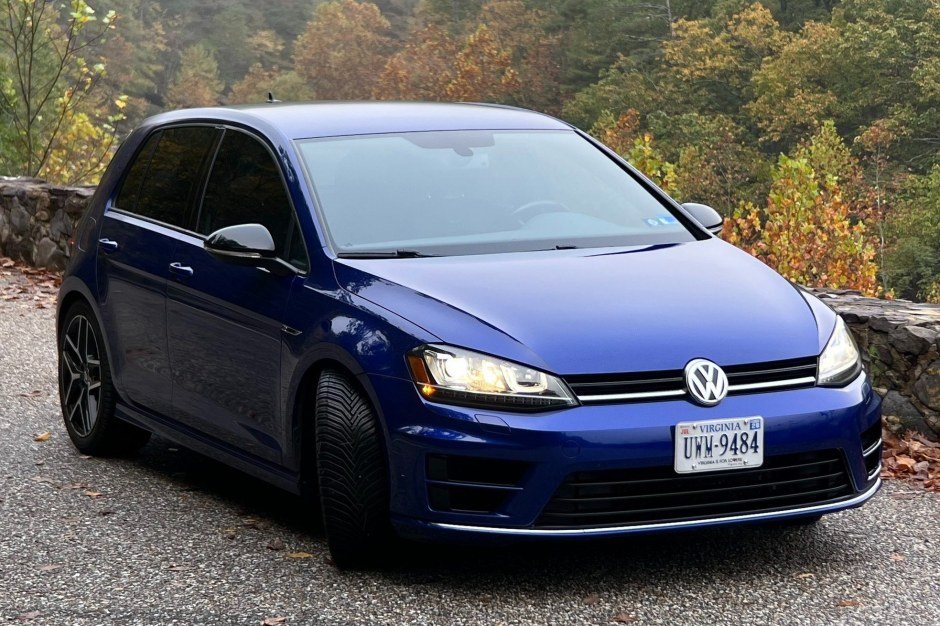
Bring a Trailer Auctions 2016 Volkswagen Golf R With Six-Speed Manual
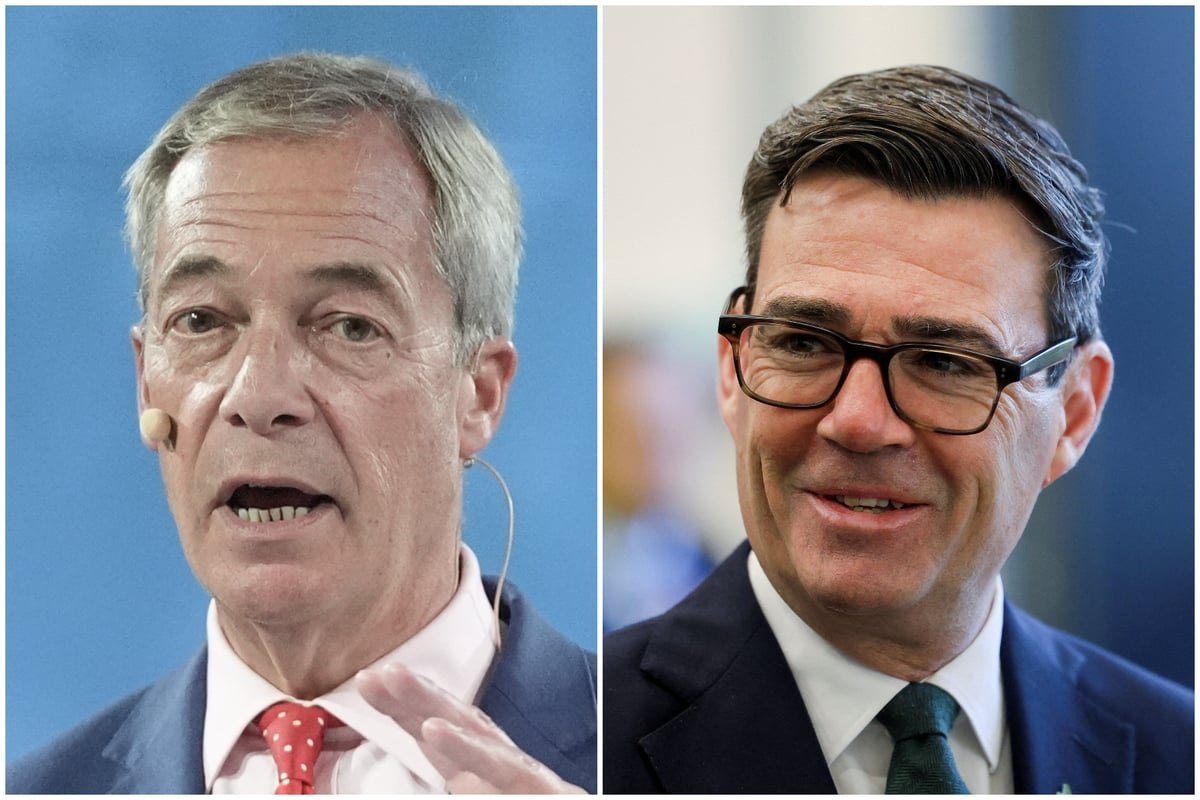
UK and EU officials are set to begin talks on freedom of movement, a move that has exposed a sharp split between Andy Burnham and Nigel Farage over Brexit.
By George Kensington · 3 min read
UK and European Union officials are preparing to begin talks on freedom of movement, a step that has triggered a heated exchange between Andy Burnham and Nigel Farage over the future of Brexit. The Prime Minister is pushing for far closer ties with the European bloc, and the planned discussions have quickly become one of the most contentious political questions of the moment.
The row between the two men has been sharp. Burnham and Farage have traded angry accusations in public, with each setting out opposing visions of how Britain should relate to its nearest neighbours after leaving the European Union. The dispute reflects a wider argument over whether the government should loosen the restrictions on the movement of people that were central to the 2016 referendum result.
The talks are expected to focus on the terms under which British and EU citizens could move, live and work across borders. Officials on both sides have not yet publicly set out a detailed negotiating position, and the scope of any eventual agreement remains unclear. What is clear is that the question is closely tied to the Prime Minister's broader ambition to deepen the relationship with the bloc.
Reaction within the political establishment has been mixed. Some Labour figures have described the reopening of the issue as a risk to the party's standing, while critics on the right have argued that any concession on movement would undermine the principles on which Brexit was sold to voters. Commentators have noted that the debate touches on sensitive public attitudes toward immigration, a subject that has dominated British politics since the referendum.
Reports in the press have also pointed to uncertainty within Downing Street. Some coverage suggested that the government had appeared to step back from a suggestion that the public could be asked to vote on freedom of movement, although the position has been described in different ways. Such confusion has added to the political pressure surrounding the talks, with opponents seizing on any sign of inconsistency.
For now, the immediate development is that officials from London and Brussels will sit down to discuss the subject, with the outcome far from settled. The exchanges between Burnham and Farage suggest that the matter will remain a flashpoint in British politics for some time, as the government weighs how far it is prepared to go in rebuilding ties with the European Union.
6