Business 284
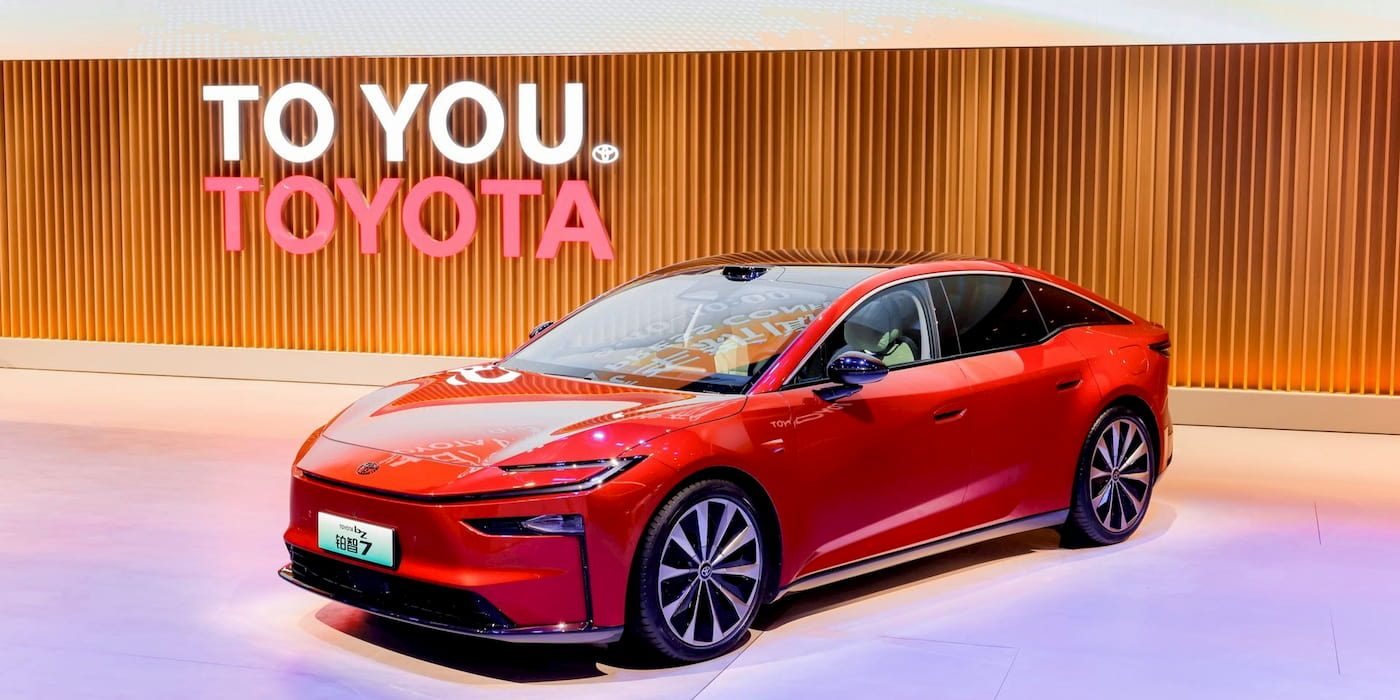
Toyota’s EV sales more than double as China’s petrol car demand slumps
In this issue
Business 284
Toyota’s EV sales more than double as China’s petrol car demand slumps
Culture 316
Left-hand-drive 1967 Mini Cooper S restored in green goes up for sale
Economy 48
Three Tankers Reportedly Strike Mines in Strait of Hormuz
News 161
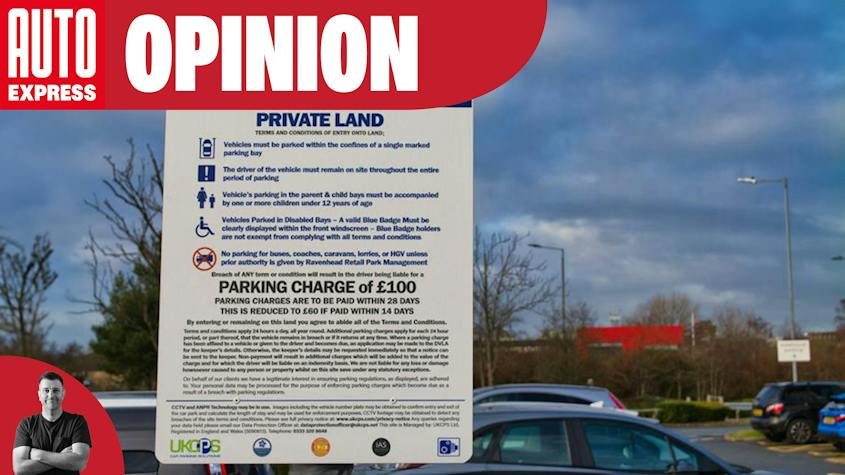
Private parking firms face pressure as UK motorists call for fairer rules
Politics 121
Burnham denies stopping ministers from discussing closer EU ties
Sports 289
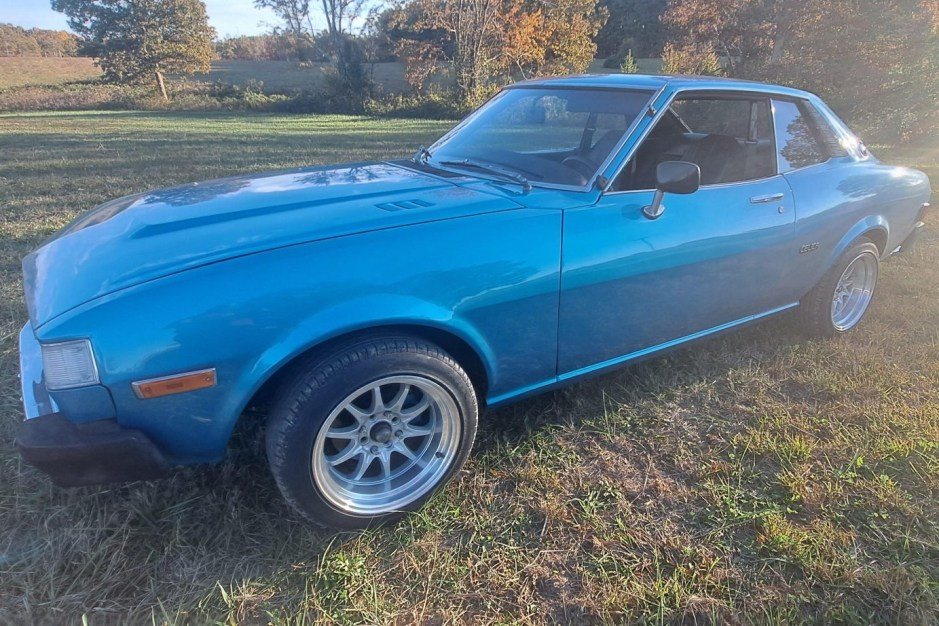
Refurbished 1977 Toyota Celica GT goes to auction with no reserve
Technology 345
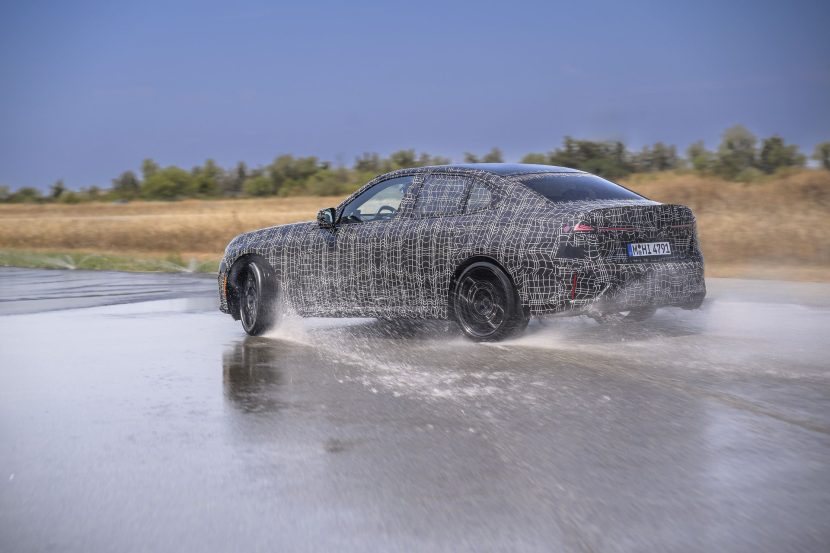
BMW M350 gets Drift Moment mode sending all power to rear wheels
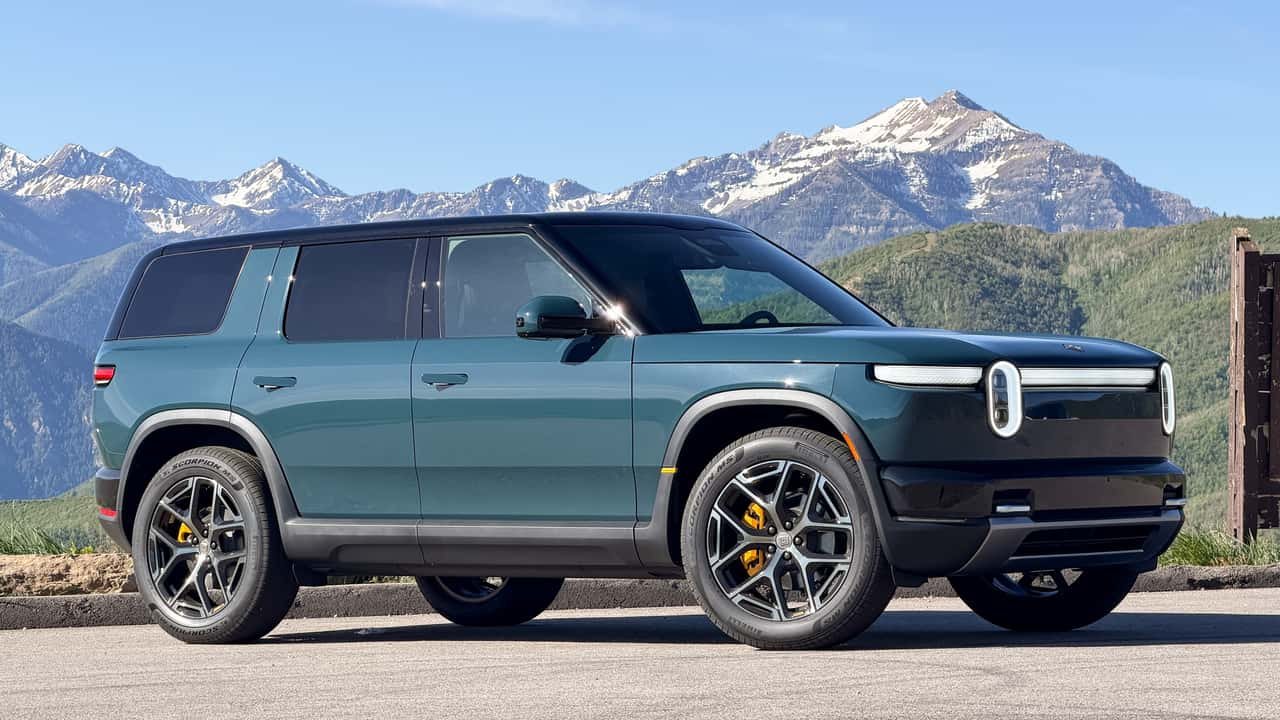
Rivian's new R2 is already the company's top-selling vehicle, prompting another upward revision to its annual delivery outlook, though the automaker's car business is still losing money.
By Charlotte Redford · 3 min read
Rivian has raised its annual delivery guidance again, driven by strong buyer demand for the R2, its mid-size electric SUV that competes directly with the Tesla Model Y. The R2 has already become the company's best-selling vehicle in its first full quarter of deliveries, ahead of both the R1 and the Amazon electric van. For a model that has only just reached customers in volume, that is a notable early result.
The company's third-quarter 2026 results, released on 29 October, showed revenue up 38 per cent year on year to $2.155 billion. The figures beat Wall Street's expectations, and Rivian lifted its 2026 guidance on every metric it reports. The R2's rapid uptake has been the main factor behind the stronger outlook, reflecting how quickly the model has found a market after entering production. Because the R2 is positioned below the R1 in price, it gives Rivian a route to reach buyers who were previously unlikely to consider one of its vehicles.
The results were not entirely positive. Rivian's car business is still operating at a loss, and the ramp-up of R2 production weighed on the automotive gross margin during the quarter. Bringing a new, high-volume model into production typically carries initial costs that depress profitability before economies of scale take effect, and the latest numbers reflect that transition. Rivian has not yet shown that the higher volumes will lift margins in the way its growth targets assume, which leaves the company's profitability as an open question.
For the company, the balance between rapid growth and profitability will be the central test in the coming quarters. Strong demand for the R2 suggests that the mid-size model is filling a gap for buyers looking for an electric vehicle below the price of the R1, and the revenue increase shows that the added volume is reaching the top line. Whether that demand translates into a healthier margin as production stabilises is the question investors and analysts are likely to focus on as Rivian moves into its next financial year. Until the margin picture improves, the upward revision to guidance will be measured against the cost of achieving it.
5