Business 281
Mitsubishi returns to UK with plug-in hybrid Outlander SUV
In this issue
Business 281
Mitsubishi returns to UK with plug-in hybrid Outlander SUV
Culture 315
Richard Rawlings closes his 2026 Gas Monkey Garage collection of 16 auctions
Economy 47
US Federal Reserve holds interest rates steady ahead of Bank of England decision
News 161
Private parking firms face pressure as UK motorists call for fairer rules
Politics 120
Burnham and Farage clash as UK and EU officials open freedom of movement talks
Sports 287
Alexia Putellas wins third Ballon d'Or four years after her last
Technology 345
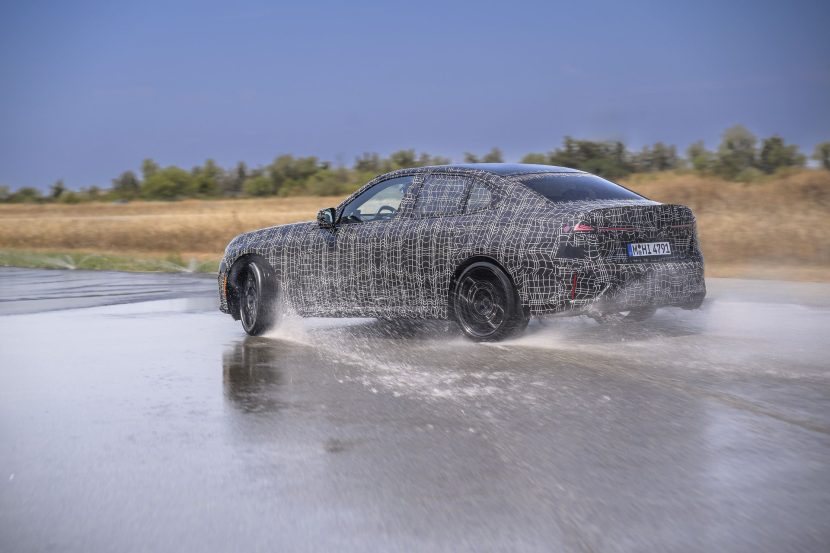
BMW M350 gets Drift Moment mode sending all power to rear wheels
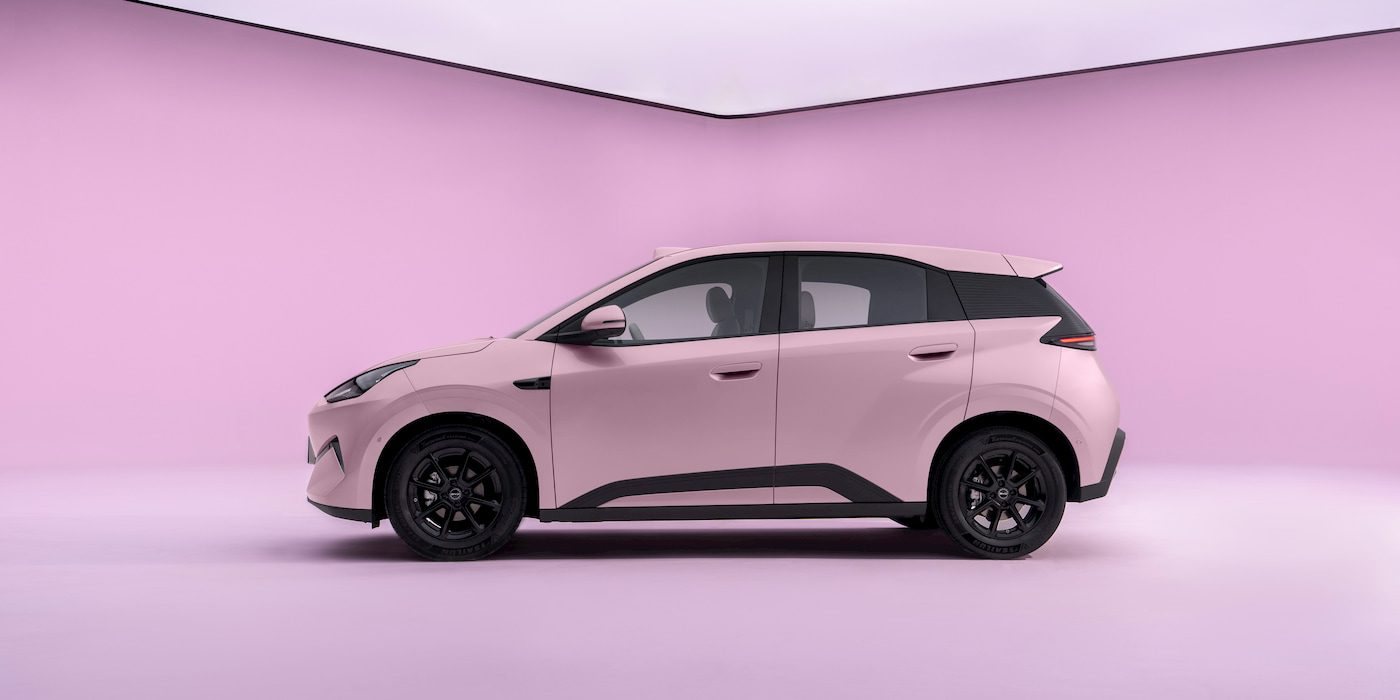
BYD’s third-quarter net profit rose 28 per cent on strong overseas shipments, but a sharp build-up in inventory and a shrinking cash pile raise questions about the carmaker’s direction.
By Charlotte Redford · 3 min read
Chinese carmaker BYD reported a 28 per cent rise in third-quarter net profit to ¥10.02 billion, driven by a surge in vehicle exports that saw more than half a million cars shipped out of the country in just three months. The results, set out in the company’s Q3 2026 earnings filing, show the automaker still operating at a high level, even as the wider picture reveals pressure building on its balance sheet.
The filing also points to a more troubling trend beneath the headline figure. BYD’s inventory has grown by 60 per cent since January, a sign that vehicles are accumulating faster than they are being sold or absorbed by the market. Over the same period, the company’s cash reserves have fallen by almost half, narrowing the financial cushion that has supported its rapid expansion. Inventory that grows this quickly ties up working capital, and a reduced cash position leaves less room to absorb any slowdown in orders or any further price pressure in the market.
Despite the strong third quarter, profit for the first nine months of the year remains lower than in the same period a year earlier. That gap indicates the earlier part of 2026 was weaker than the recent quarter suggests, and that the improvement in the autumn months has not yet fully reversed the slower start to the year. The quarter’s result therefore reads as a partial recovery rather than a clean turnaround.
The export figures are central to the company’s recent performance. Shipping more than half a million vehicles abroad in three months has given BYD a source of growth that has helped offset pressures elsewhere, and it reflects the company’s broader push beyond China. Yet the same export momentum that lifted profit is also tied to the inventory build-up, because cars produced for overseas delivery and cars waiting for buyers both sit on the balance sheet until they are sold. How quickly that stock moves will shape whether the third-quarter gain holds.
Taken together, the numbers describe a business in transition. Exports have become a key driver, but the accumulation of unsold stock and the drawdown of cash are signals that management must balance overseas demand against inventory levels and liquidity. Whether BYD can convert its export strength into steadier cash generation will likely determine whether the third-quarter profit gain is sustainable across the full year.
8