Business 279
Audi reportedly weighs new off-road SUV built on Scout platform
In this issue
Business 279
Audi reportedly weighs new off-road SUV built on Scout platform
Culture 314
Audi’s new A6 Allroad makes more sense than ever but may not win over SUV buyers
Economy 47
US Federal Reserve holds interest rates steady ahead of Bank of England decision
News 161
Private parking firms face pressure as UK motorists call for fairer rules
Politics 120
Burnham and Farage clash as UK and EU officials open freedom of movement talks
Sports 287
Alexia Putellas wins third Ballon d'Or four years after her last
Technology 344
Karma Previews Blue Track-Focused Coupe With Rear Wing Before Las Vegas Debut
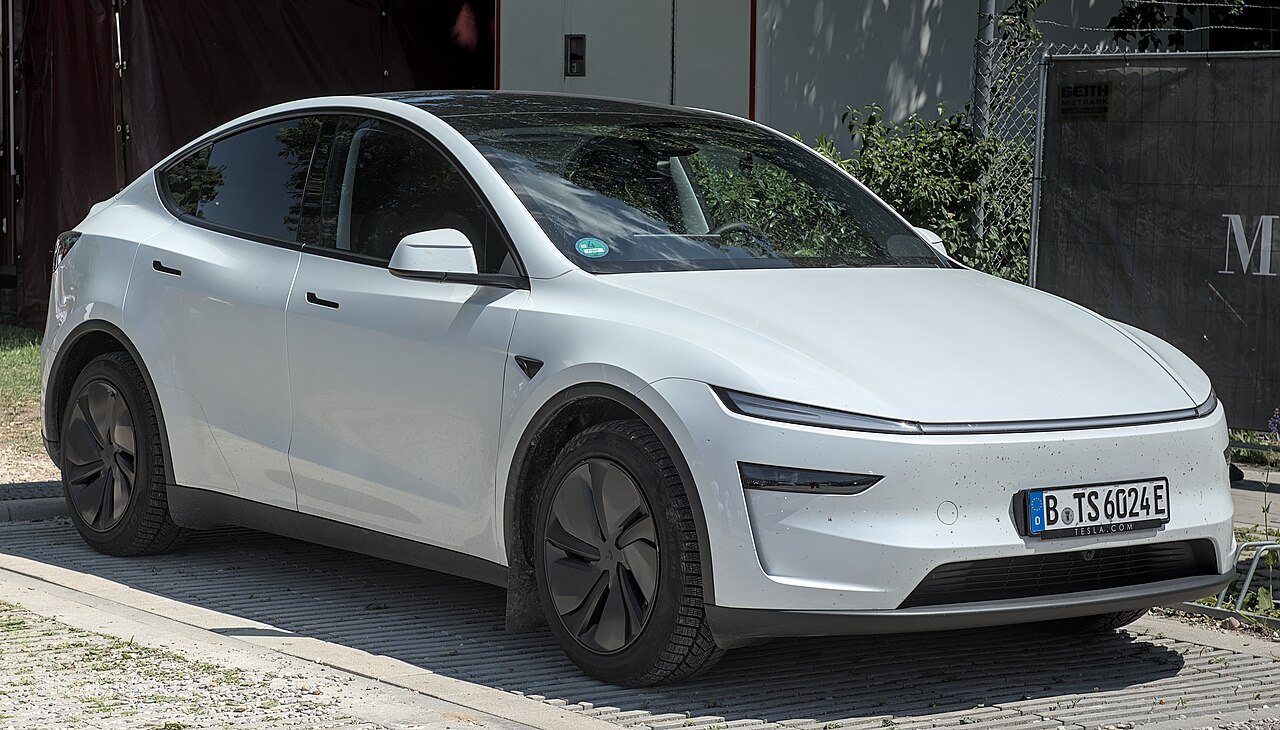
The Chancellor has confirmed benefit-in-kind rises for plug-in hybrid and electric company cars from 2030/31, and changes to capital allowances and mileage rates, drawing criticism from fleet specialists who say the Budget did not support demand.
By Charlotte Redford · 5 min read
Fleet specialists have warned that the Autumn Budget failed to deliver the tax breaks needed to support demand for plug-in hybrid and electric company cars, with some drivers facing monthly benefit-in-kind bills that will almost triple. For fleet operators, the most important measure was the confirmation of benefit-in-kind rates for the 2030/31 tax year, a point the industry had repeatedly asked the government to clarify, since drivers are already ordering cars that will still be on the road in April 2030.
Company car drivers, including those on salary sacrifice schemes, pay benefit-in-kind tax for the perk of using a vehicle for private journeys. The benefit is treated as additional salary and taxed at the driver's income tax rate, typically 20 or 40 per cent. Since 2002, the taxable value has been calculated as a percentage of the car's list price. Vehicles fall into one of 27 percentage bands, currently ranging from 4 to 37 per cent, and the pricier and more CO2-intensive the car, the higher the tax cost. According to the latest HMRC data cited in the source material, three quarters of company car drivers pay benefit-in-kind tax on a vehicle emitting less than 50g/km.
The Budget confirmed that all rates will rise by one percentage point in April 2030, with electric vehicles facing the steepest increase over that period, from 4 per cent in 2026/27 to 10 per cent in 2030/31. For a 20 per cent taxpayer driving a Volkswagen ID 3 79kWh Style, the monthly benefit-in-kind bill would rise from £27 to £67. Plug-in hybrids fare worse. The 2024 Budget removed incentives for vehicles emitting between 1 and 50g/km of CO2 that offered a longer electric range, placing all of them into a single 18 per cent band. The Volkswagen Golf eHybrid, with an 88-mile electric range, will rise from 7 per cent today to 20 per cent in 2030/31, meaning the monthly benefit-in-kind bill would roughly triple from £44 to £133.
Dave Bushnell, director of consultancy and strategy at Fleet Operations, said the announcement was welcome as a step towards restoring confidence but that it could have gone further. «We're disappointed that the Chancellor hasn't taken this opportunity to make used electric company cars more affordable», he said. He argued that drivers are still taxed on a vehicle's original list price even after it has depreciated significantly, and that changing this could have opened electric cars to more employees through salary sacrifice schemes while supporting demand in the second-hand market and protecting residual values.
The Budget also confirmed changes to capital allowances, which let businesses offset investment costs against gross profits and so reduce their corporation tax bill. For cars the system is based on CO2 emissions. Businesses can offset 100 per cent of the cost of electric vehicles, falling to 14 per cent for vehicles emitting 1 to 50g/km and 6 per cent for anything above that threshold. The main rate was cut from 18 per cent to 14 per cent in April 2026 and will fall to 12 per cent in April 2027, which effectively reduces the tax breaks for businesses buying plug-in hybrids in that bracket. Tax relief for leased cars is unchanged, with businesses able to offset 100 per cent of monthly rental costs for vehicles emitting 50g/km of CO2 or less.
Businesses with a grey fleet, where employees use their own cars for work, will also face higher costs. HMRC sets an approved mileage rate that employees can claim back for driving their own car on business, covering fuel as well as depreciation, wear and tear and other running costs. There are two rates, one for the first 10,000 miles and a lower one above that. The initial rate was temporarily raised from 45p to 55p per mile in June and will now become permanent, while the higher-mileage rate rises from 25p to 35p. The Treasury said these are the first changes in 15 years and are expected to support three million employees who use their own car for work.
Jon Lawes, managing director of fleet management firm Novuna Vehicle Solutions, said manufacturers were facing intense global competition and pressure on residual values, so the priority must be a transition that customers can afford and businesses can plan for. He said greater certainty on electric vehicle taxation, charging costs and future sales targets would be critical to sustaining demand, protecting used car values and supporting long-term investment in the UK motor industry.
8