Business 362
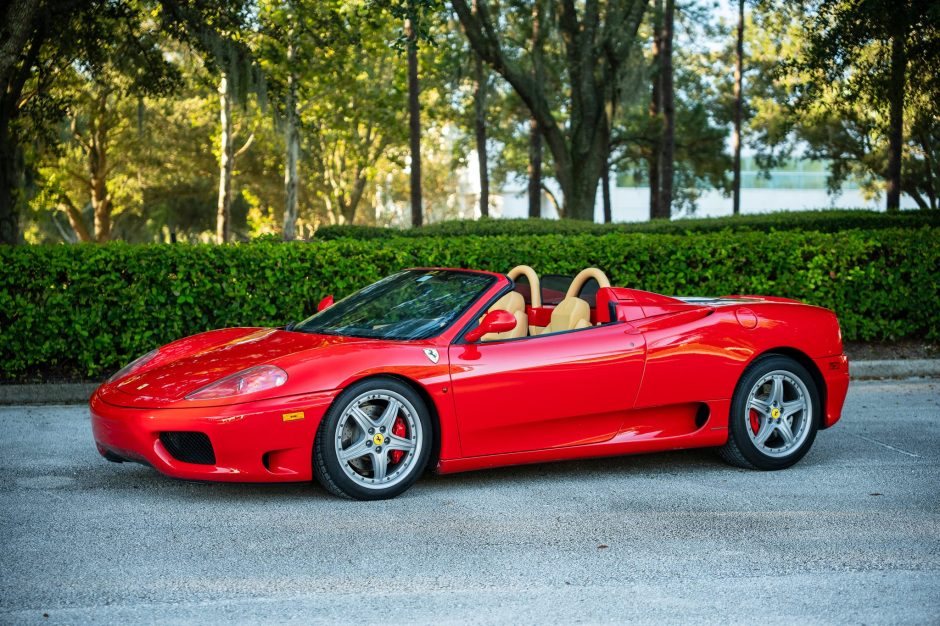
2005 Ferrari 360 Spider with 20,000 Miles Offered at Auction
In this issue
Business 362
2005 Ferrari 360 Spider with 20,000 Miles Offered at Auction
Culture 391
Owner Fixes Five Classic Cars Himself, Spending Less Than One New Crossover
Economy 52
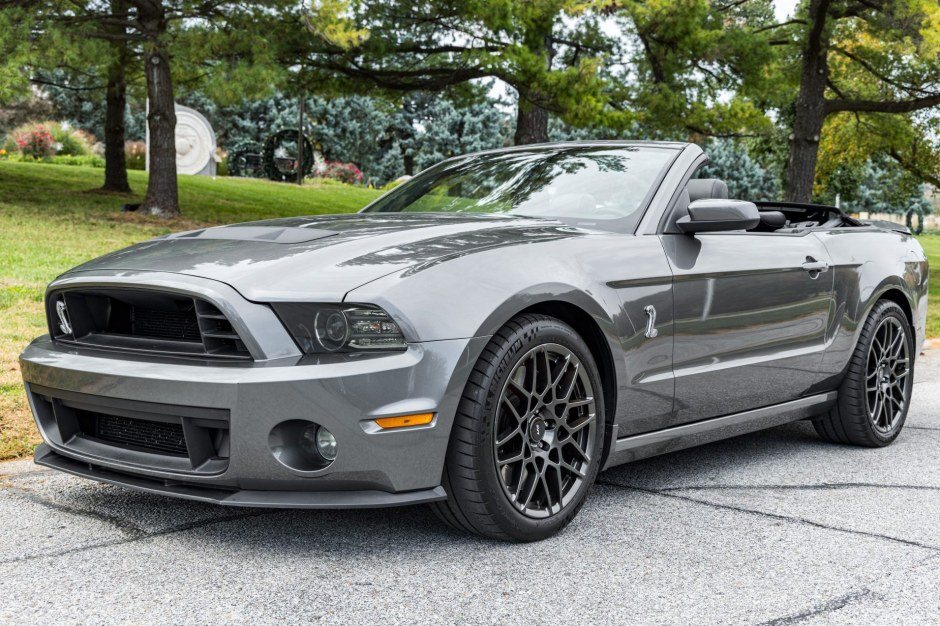
A 2014 Mustang Shelby GT500 Convertible Goes to Auction on Bring a Trailer
News 167
Thailand faces criticism over plans to return two Uyghur men to China
Politics 124
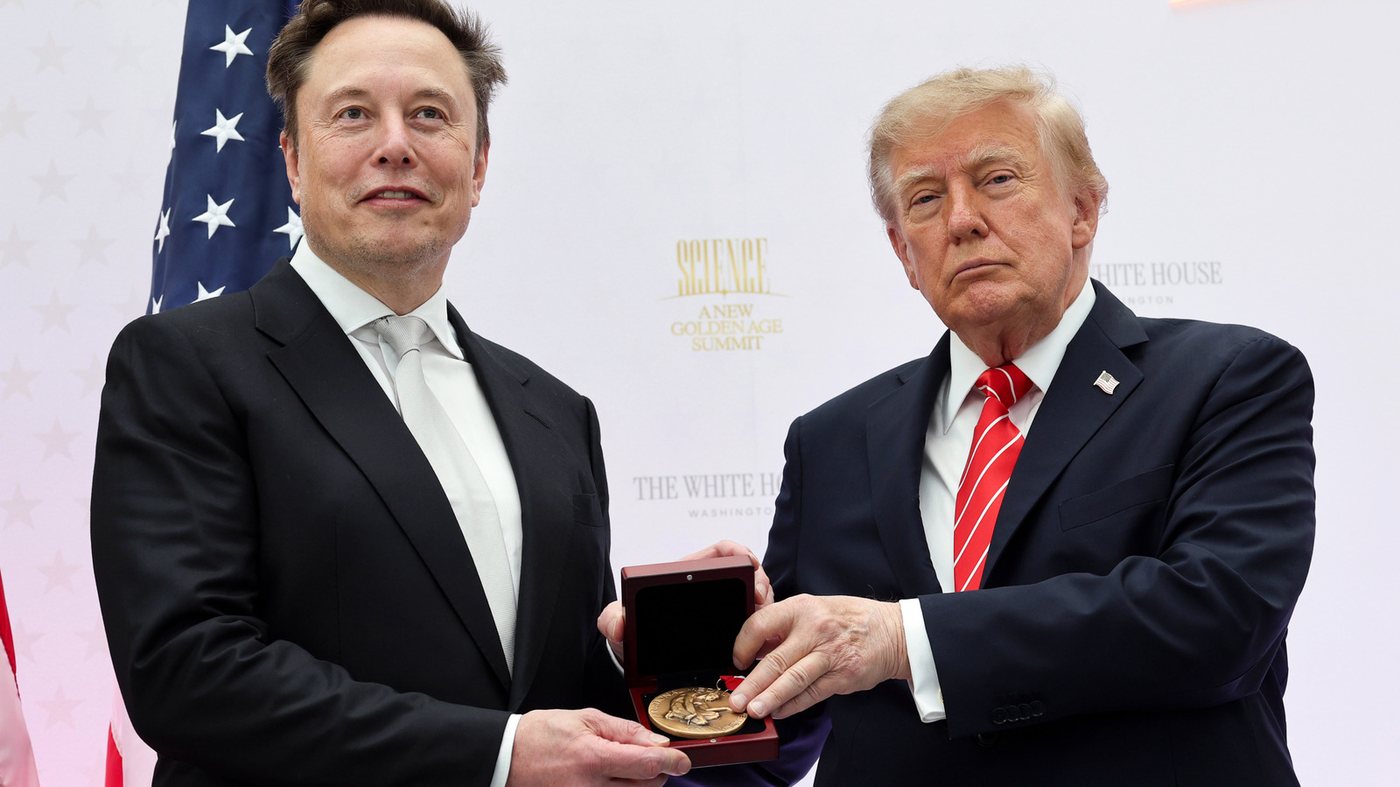
Musk’s reported $474 million political ad spend contrasted with alternative car p…
Sports 304
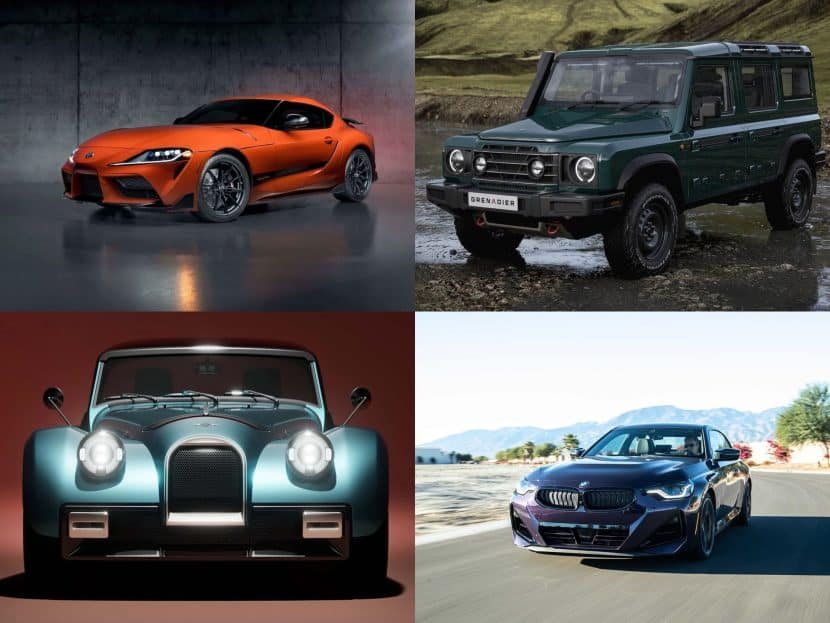
Lightweight Morgan Supersport 400 beats BMW M240i and Toyota Supra in drag race
Technology 364
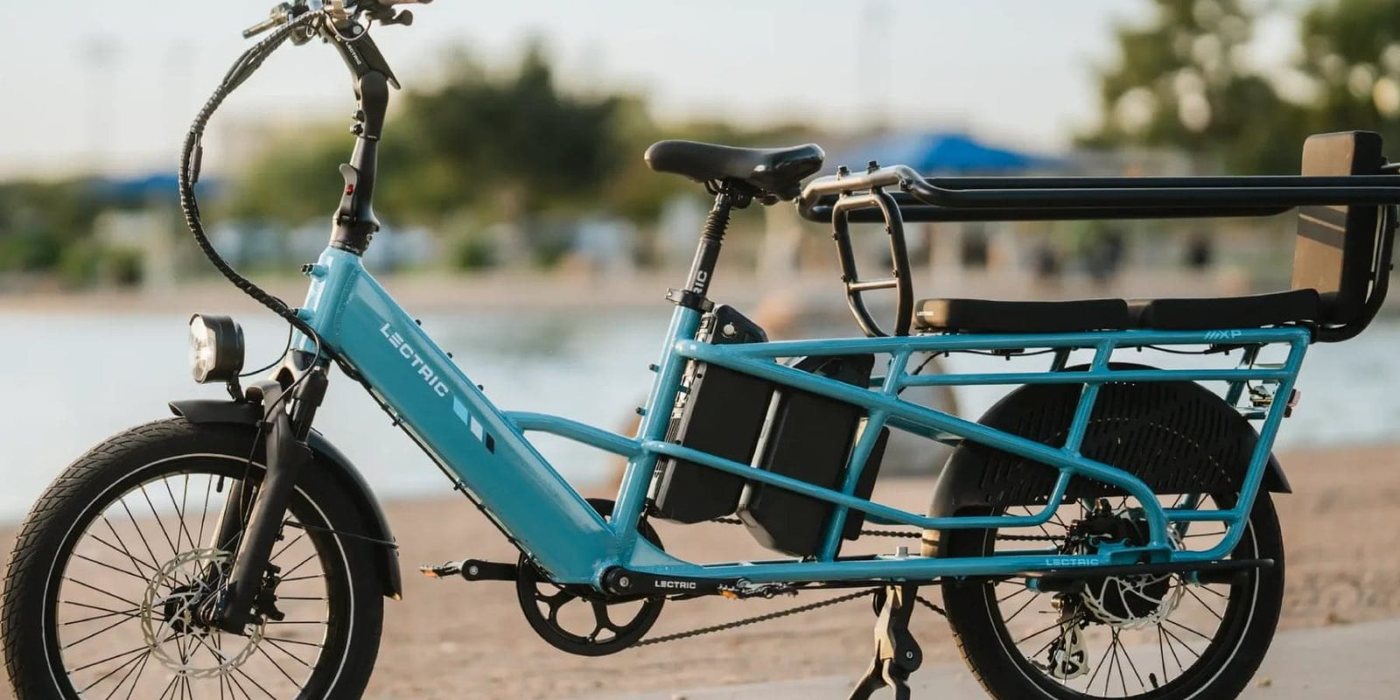
Electrek Releases Updated Roundup of Best Electric Bikes for November 2026
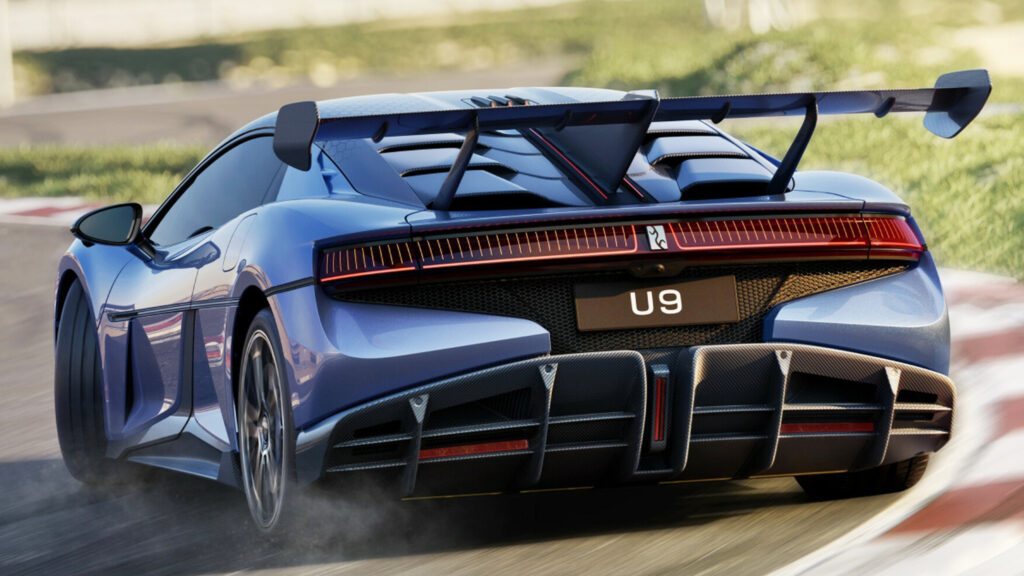
A bipartisan group of US senators has introduced legislation to permanently bar Chinese vehicles from the American market, with 100 co-sponsors and a push for Senate approval this week. The move comes as President Xi Jinping visits the US and follows President Trump's suggestion that Chinese brands could build cars locally.
By Eleanor Ellington · 4 min read
A bipartisan coalition of US lawmakers has proposed legislation to permanently ban Chinese vehicles from American roads, escalating a fight over the future of the country's automotive industry. The bill, led by Republican Senator Bernie Moreno and Democratic Senator Elissa Slotkin, already has 100 co-sponsors and is seeking Senate approval this week.
The initiative comes less than two weeks after President Donald Trump said he would be open to Chinese brands selling cars in the US, provided they are manufactured locally. Speaking to Fox News earlier this month, Trump declared: «If China wanted to come in and open a plant to build their cars here, I'd be okay with that.» That position has alarmed domestic automakers and their allies in Congress, who argue that Chinese entry would devastate US manufacturing.
American car giants Ford, General Motors and Stellantis have been lobbying for stronger policies to keep Chinese vehicles out, a sentiment echoed by senators on both sides of the political aisle. Slotkin, speaking at a press conference this week, said: «Whether you are a Democrat or Republican, no one wants Chinese cars in America.» She also pushed back against Trump's willingness to allow Chinese companies to build cars locally, stating this would signify «the beginning of the end of auto manufacturing in the United States.»
The rush to enact a permanent ban coincides with a three-day visit to the US by China's President Xi Jinping, adding a geopolitical dimension to the debate. The proposed legislation aims to prevent the administration from issuing waivers that would allow Chinese-owned companies to continue selling vehicles in the US.
Current rules already restrict Chinese vehicles. Former President Joe Biden signed legislation in January 2025 to prohibit the sale of vehicles using hardware and software systems from China, starting with a software ban from the 2027 model year and a hardware ban from 2030. So far, this rule has largely prevented Chinese companies from entering the US market. However, the Trump administration has issued a waiver to Volvo, allowing the Chinese-owned Swedish company to continue selling its cars in the States. The Moreno-Slotkin bill would close that loophole by barring future waivers.
The debate highlights a broader tension between protecting domestic industry and maintaining open markets. Supporters of the ban argue that Chinese electric vehicles, often heavily subsidised, could undercut American manufacturers and threaten jobs. Critics counter that blocking Chinese investment could slow the transition to electric mobility and limit consumer choice.
With 100 co-sponsors, the bill enjoys unusually broad support in a divided Senate. Its backers hope to secure passage this week, though it remains unclear whether the White House would sign such a measure given Trump's recent comments. The outcome will shape not only the US auto market but also the wider trade relationship between Washington and Beijing.
Source: carscoops.com
440