Business 181
Corvette ZR1X Auction Bids Top $400,000 as Factory Warranty Fuels Demand
In this issue
Business 181
Corvette ZR1X Auction Bids Top $400,000 as Factory Warranty Fuels Demand
Culture 206
New York City Ballet Fall Gala Brings Fairy Dust and Fashion to Lincoln Center
Economy 36
G7 Agrees to Release 100 Million Barrels of Diesel and Crude Oil to Ease Price Su…
News 144
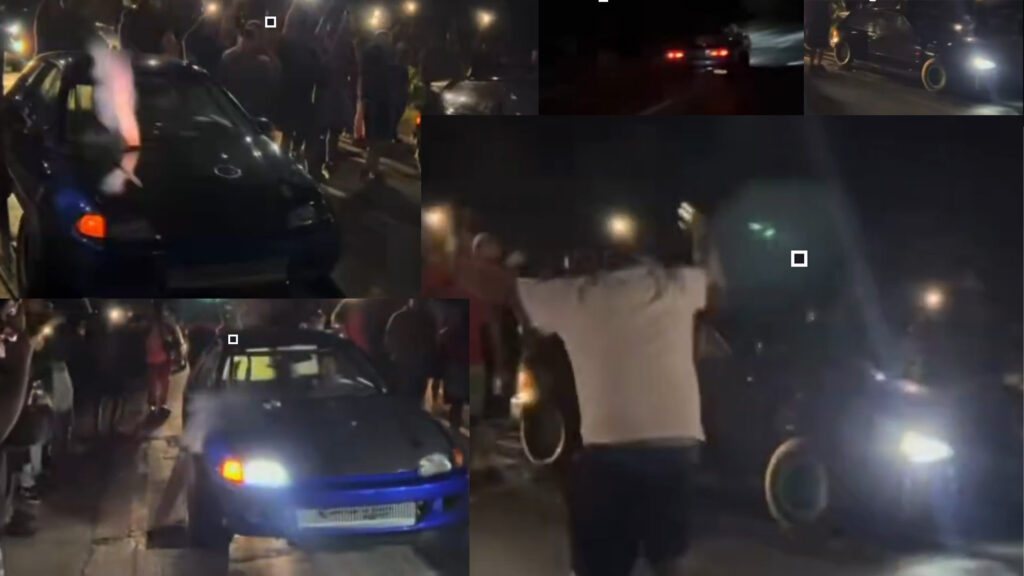
Four Arrested and Race Car Seized After Illegal Drag Race on Long Island
Politics 109
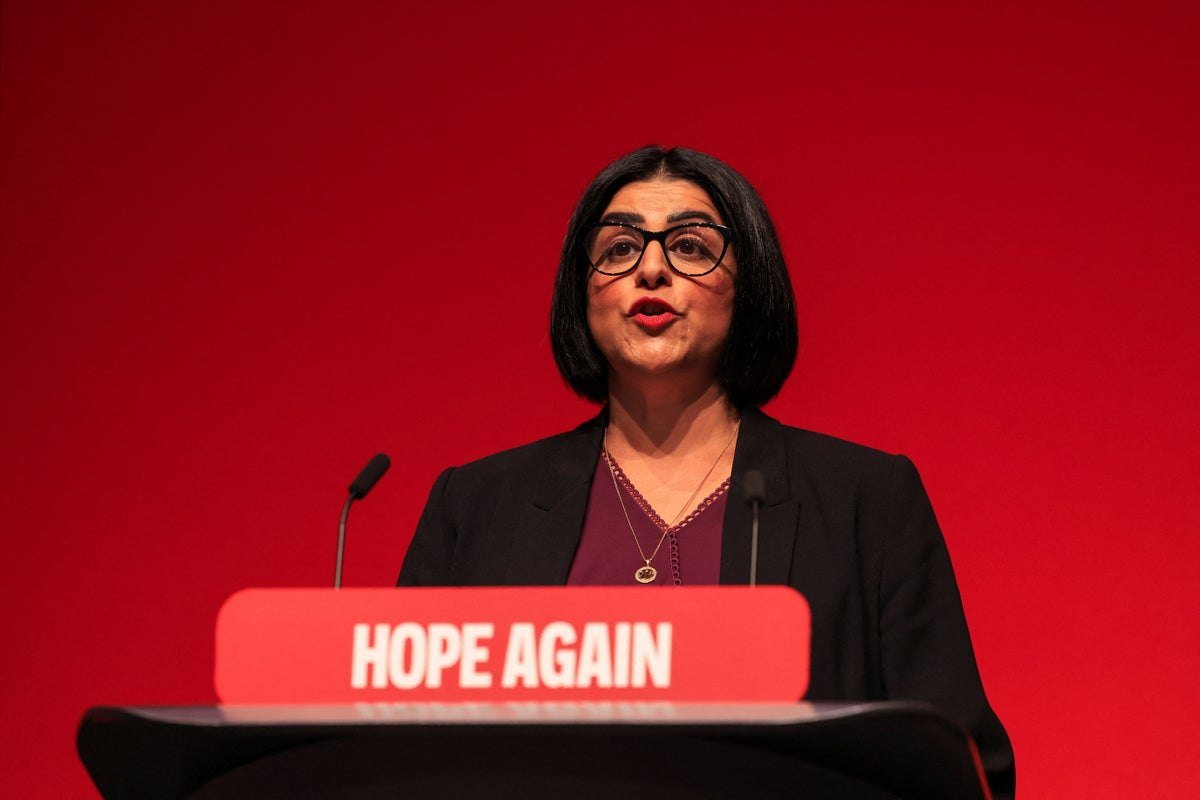
Mahmood Opens New Legal Refugee Routes in Labour Conference Speech
Sports 259
Chiefs, 49ers and Vikings stay unbeaten as NFL Week 4 delivers 14-game slate
Technology 229
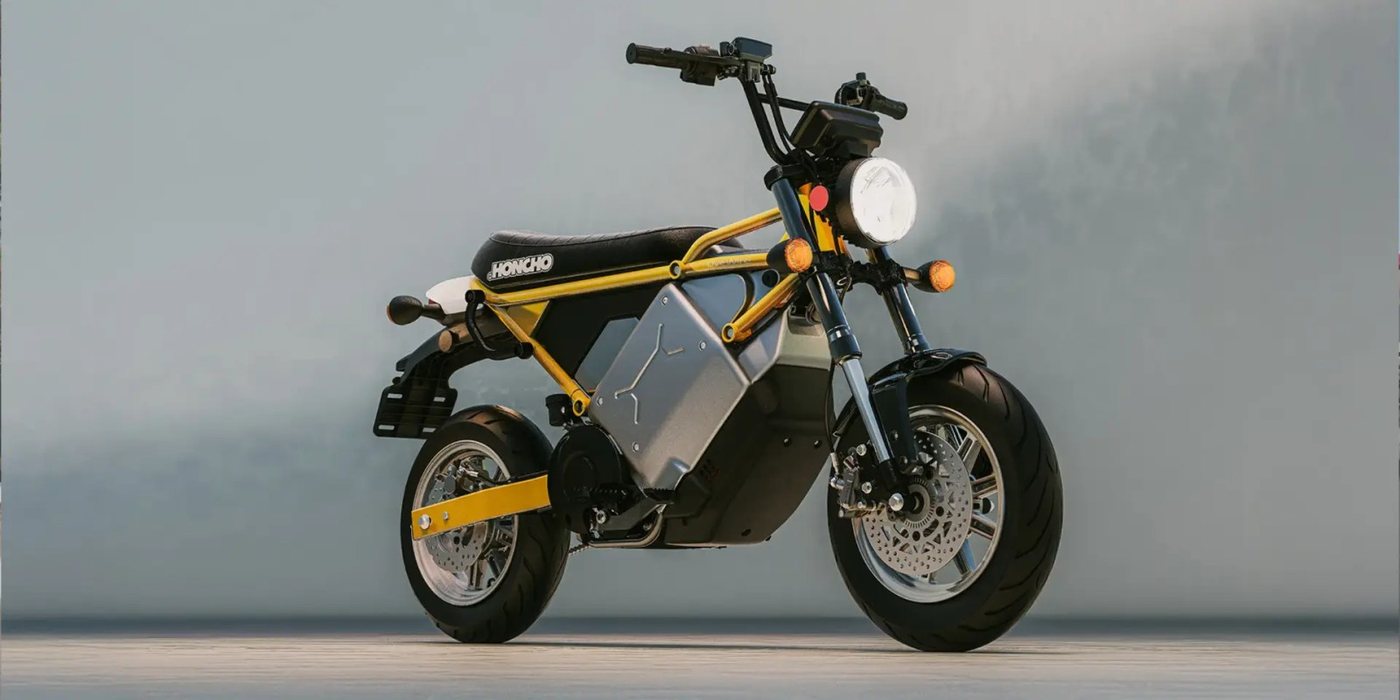
LiveWire S4 Honcho Street Approved for Rider Training Programmes
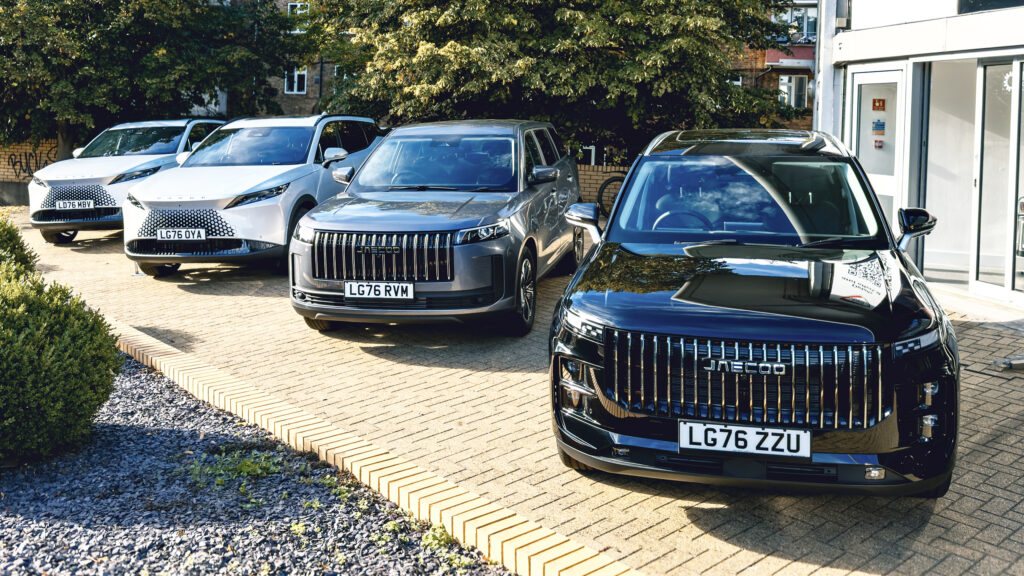
Britain may impose tariffs on Chinese vehicles after the Jaecoo 7 became the country's best-selling car, with EU pressure threatening UK access to the 'Made in Europe' scheme.
By Charlotte Redford · 4 min read
Britain is preparing to impose tariffs on Chinese cars, a move that would mark a significant shift in trade policy after Chinese vehicles captured a record share of the UK market. Business Secretary Jonathan Reynolds has begun drafting a package of measures ahead of a UK-EU summit next month, according to reports.
The push is being led by the European Union, which has warned British ministers that unless the UK hits Chinese vehicles with tariffs, the country could be excluded from the «Made in Europe» scheme. Such an exclusion would make it substantially more expensive for British car manufacturers to sell vehicles into the EU, threatening a vital export market.
The UK has until now been reluctant to impose tariffs on Chinese cars, but the surge in sales has changed the political calculus. In September, almost a quarter of all new cars sold in the UK came from China. The country's best-seller was the Jaecoo 7, which sold 10,812 units last month, outselling even the Tesla Model 3. It was the second month this year that the Jaecoo 7, often nicknamed the «Temu Range Rover», has topped the UK sales charts.
The Jaecoo 7 is sold in the UK with a 1.6-litre turbocharged petrol engine and a 1.5-litre plug-in hybrid. It is unclear whether the UK is considering tariffs on combustion-powered models as well as electric vehicles, though analysts suggest that limiting the measures to EVs alone would leave the door open for brands such as Chery and BYD to continue expanding their presence on British roads.
In the European Union, electric vehicles from China already face tariffs of as much as 45 per cent. Chinese manufacturers responded by shifting their focus from pure EVs to plug-in hybrids, and lawmakers in the bloc are now said to be weighing whether to extend the tariffs to hybrids as well.
The threat to British car production was highlighted last week by the Society of Motor Manufacturers and Traders, which indicated that the «Made in Europe» rules pose a direct risk to UK manufacturing. The rules require vehicles to meet local content thresholds to qualify for tariff-free access to the EU market, and exclusion from the scheme would put British-built cars at a significant disadvantage against European competitors.
If the UK aligns with Brussels on tariffs, it would effectively choose sides in an escalating trade dispute, turning its back on China at a time when Chinese brands have become deeply embedded in the British market. The decision carries risks: retaliation from Beijing could target British exports, while consumers would face higher prices on some of the most affordable new cars available.
For now, the drafting of a tariff package signals that London is preparing to act. The coming summit with the EU is expected to be a pivotal moment, with British ministers under pressure to secure continued access to European supply chains while managing the fallout from a market that has been transformed by Chinese competition.
8