Business 179
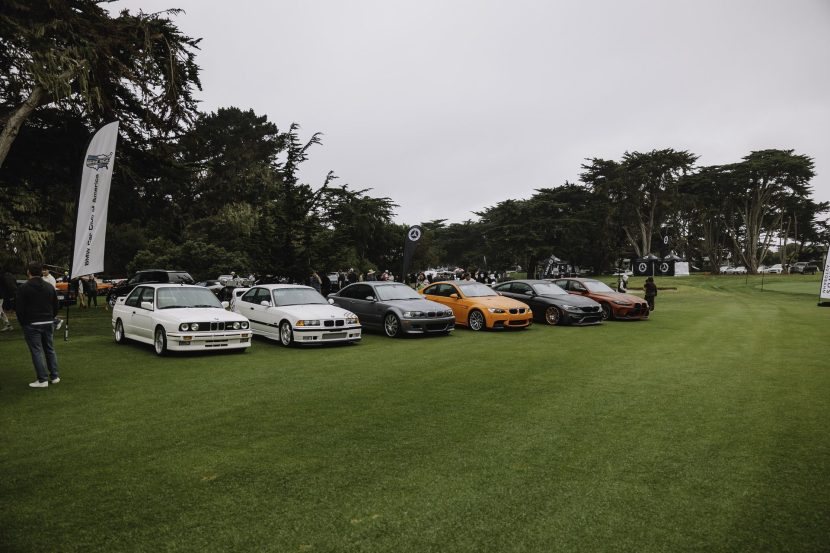
BMW M Reaches One Million Cars as Data Reveals the Model Left Out of the Count
In this issue
Business 179
BMW M Reaches One Million Cars as Data Reveals the Model Left Out of the Count
Culture 204
Robert Eggers to Direct New Romeo and Juliet Adaptation
Economy 36
G7 Agrees to Release 100 Million Barrels of Diesel and Crude Oil to Ease Price Su…
News 144
Four Arrested and Race Car Seized After Illegal Drag Race on Long Island
Politics 109
Mahmood Opens New Legal Refugee Routes in Labour Conference Speech
Sports 259
Chiefs, 49ers and Vikings stay unbeaten as NFL Week 4 delivers 14-game slate
Technology 229
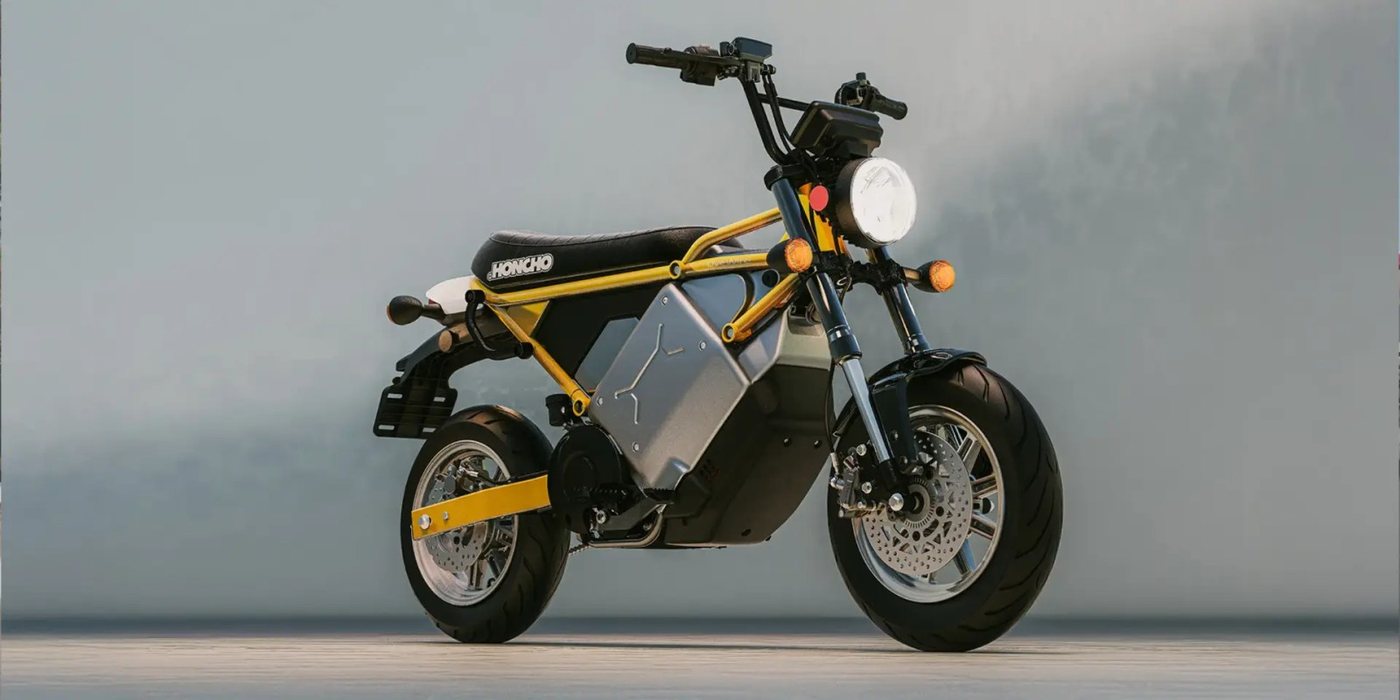
LiveWire S4 Honcho Street Approved for Rider Training Programmes
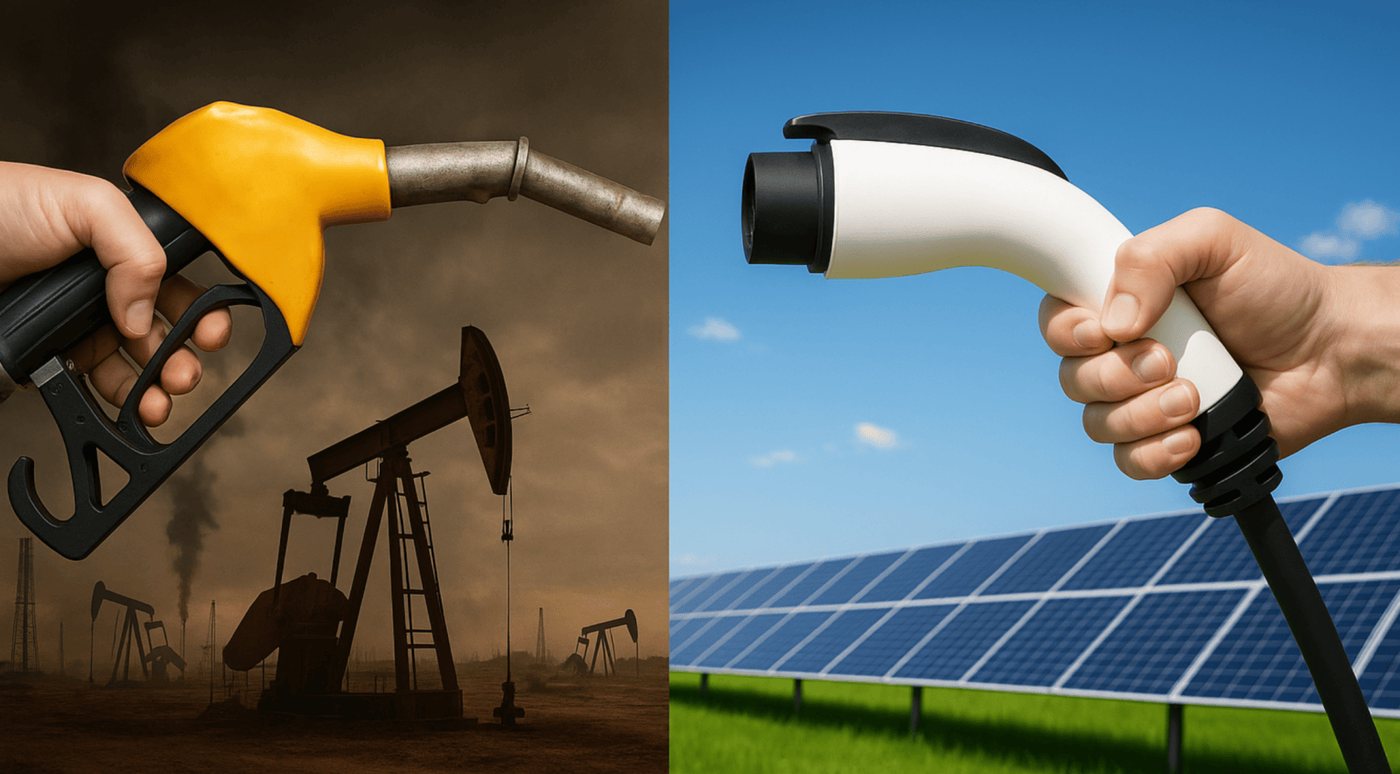
Gasoline-only vehicles accounted for 49% of global new-vehicle sales in the first half of 2026, down from 73% in 2021, as electrified models gain ground — though most replacements still burn fuel.
By Charlotte Redford · 4 min read
Gasoline-only cars have fallen below half of global new-vehicle sales for the first time on record, marking a symbolic threshold in the auto industry's long shift away from pure combustion power. According to Mobility Global data first reported by Nikkei, petrol-only vehicles made up 49% of worldwide new-car sales in the first half of 2026, down sharply from 73% in 2021.
The decline reflects the steady expansion of electrified options — battery-electric, plug-in hybrid and conventional hybrid models — across major markets. But the milestone comes with a significant caveat: most of the vehicles replacing pure petrol cars still carry a fuel tank. Hybrids and plug-in hybrids, which combine an internal combustion engine with electric assistance, account for a large share of the gains, meaning the global fleet remains heavily dependent on liquid fuels even as the headline petrol-only figure drops.
The shift has been driven by tightening emissions regulations in Europe and China, expanding charging infrastructure, and a broadening lineup of electrified models from mainstream manufacturers. Battery-electric vehicles have seen particularly strong growth in China and parts of Europe, while hybrids have gained favour in markets such as the United States and Japan where charging networks are less dense and fuel prices remain relatively low.
For the world's largest automakers, the changing sales mix carries significant strategic and financial implications. Companies that were slow to invest in electrification now face pressure to accelerate their product plans, while those that bet early on battery technology are seeing their market share rise. The transition also affects supply chains, employment in traditional powertrain manufacturing, and the profitability of dealership networks that have long relied on servicing combustion engines.
The data underscores how quickly consumer demand can shift when policy incentives, fuel costs and model availability align. In 2021, petrol-only cars still commanded nearly three-quarters of global sales. The fall to 49% in just five years represents one of the fastest structural changes in the modern automotive market.
Yet the continued popularity of hybrids suggests that the path away from fossil fuels is not a simple straight line to full electrification. Many buyers remain concerned about charging access, range and upfront cost, making hybrid vehicles an attractive compromise. As a result, oil demand from the passenger car sector may decline more slowly than the petrol-only sales figure alone would suggest.
The milestone is likely to intensify debate among policymakers, investors and industry executives about the pace of the transition and the infrastructure needed to support it. It also raises questions for energy companies and governments that rely on fuel tax revenues, as the composition of the global car fleet gradually changes.
For now, the headline number is clear: pure petrol cars are no longer the majority of new vehicles sold worldwide. But the road ahead remains more complex than a single statistic can capture, with hybrid technology set to play a central role in the industry's next phase.
7