
Business 177
Tesla Model 3 and Model Y Account for 98 Percent of Deliveries
In this issue
Business 177
Tesla Model 3 and Model Y Account for 98 Percent of Deliveries
Culture 204
Robert Eggers to Direct New Romeo and Juliet Adaptation
Economy 36
G7 Agrees to Release 100 Million Barrels of Diesel and Crude Oil to Ease Price Su…
News 144
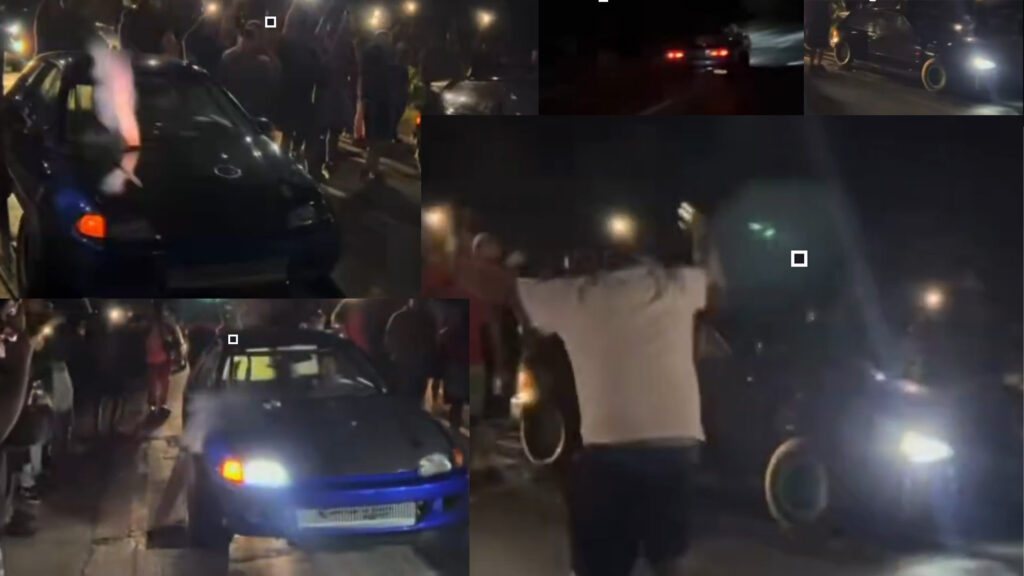
Four Arrested and Race Car Seized After Illegal Drag Race on Long Island
Politics 109
Mahmood Opens New Legal Refugee Routes in Labour Conference Speech
Sports 259
Chiefs, 49ers and Vikings stay unbeaten as NFL Week 4 delivers 14-game slate
Technology 227
Hyundai Ioniq 3 Electric Hatch Launches From £18,495 After Grant
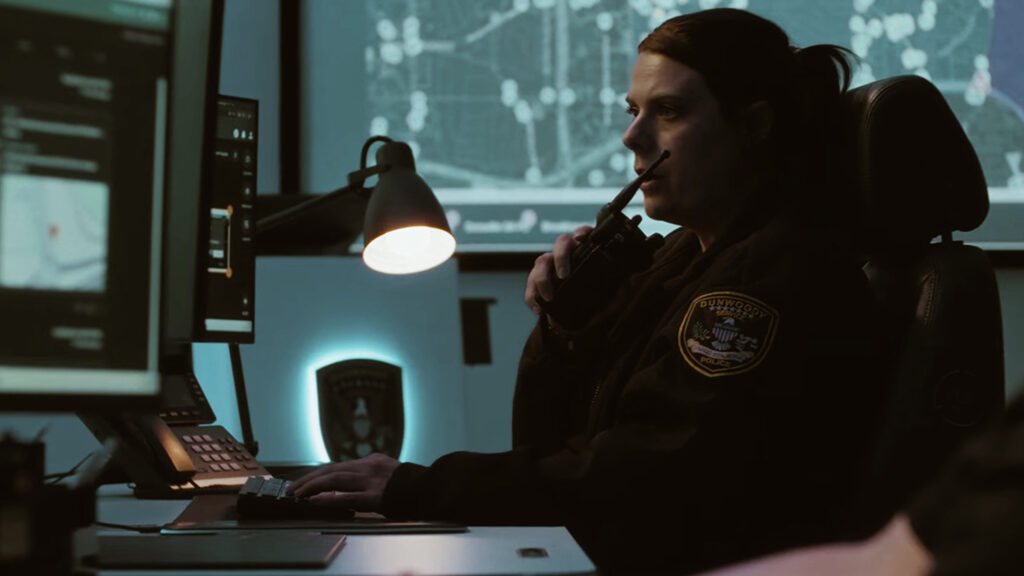
Moline, Illinois will switch off nine Flock Safety licence plate readers within two weeks, citing privacy concerns and public confidence, even as police credit the system with helping solve homicides, a kidnapping and a bank robbery.
By Edward Beaumont · 4 min read
Moline, Illinois is to deactivate its nine Flock Safety automated licence plate recognition cameras within roughly two weeks, even though the local police department describes the technology as invaluable and credits it with helping to solve serious crimes including two double homicides.
The Moline Police Department announced it is pausing its fixed ALPR programme, which uses nine Flock cameras positioned around the city. Officials expect the system to be completely switched off within about 14 days, although physically removing the equipment could take a further 30 to 60 days. The department is calling the move a pause rather than a cancellation, leaving open the theoretical possibility that the cameras could return.
Police Chief Darren Gault stressed that the decision is not a rejection of licence plate reader technology or its value to law enforcement. Instead, he said the existing programme no longer provides the balance the department wants between public safety and public confidence. The force has not claimed the cameras failed, nor has it disclosed any local scandal involving the system.
There is little doubt about where the police stand on the system's effectiveness. The department's own licence plate reader webpage describes the technology as invaluable and lists several significant investigations aided by ALPR data. Those include two double homicides in 2024, a Chase Bank robbery, a 2025 kidnapping, a shooting and an operation involving payment-card skimmers. Police also credit Flock alerts with recovering stolen vehicles, locating an out-of-town murder suspect, and helping officers arrest a suspect while recovering a gun.
Moline officials say the technology, existing laws and public expectations are no longer moving at the same pace. Mayor Sangeetha Rayapati told KWQC that public opposition played a significant role, noting that concerns about Flock cross political lines and have intensified following reports of abuse elsewhere.
The city maintains that its cameras collect vehicle information rather than personal details or facial-recognition data. It also says searches require a legitimate investigative purpose and are subject to auditing. Even so, residents remain concerned about where that information can travel and who might ultimately access it.
Moline's decision comes as cities across the United States are cutting ties with Flock Safety following reports of misuse, unauthorised searches and expansive data sharing. The Illinois city is taking a slightly different path from many of those places, because its police force is not alleging any local failure or misconduct. Instead, the pause reflects a judgment that public trust has not kept pace with the capabilities of the technology.
The practical effect is that a network credited with assisting homicide, robbery, kidnapping and stolen-vehicle investigations will stop operating within a fortnight. Because the department has framed the move as a pause, Moline could eventually reconsider the programme if stronger privacy protections emerge or if public opposition quietens. Until then, a documented record of helping solve serious crimes has not been enough to overcome residents' concerns about being watched.
3