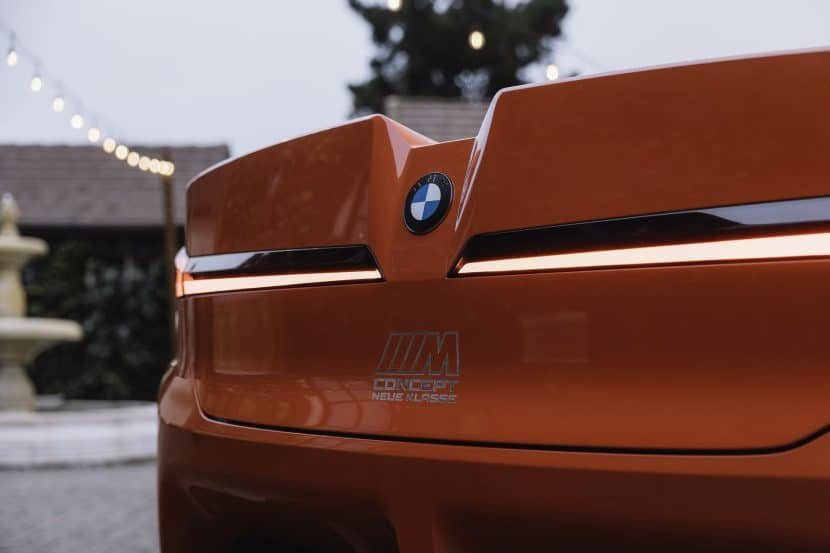
Business 185
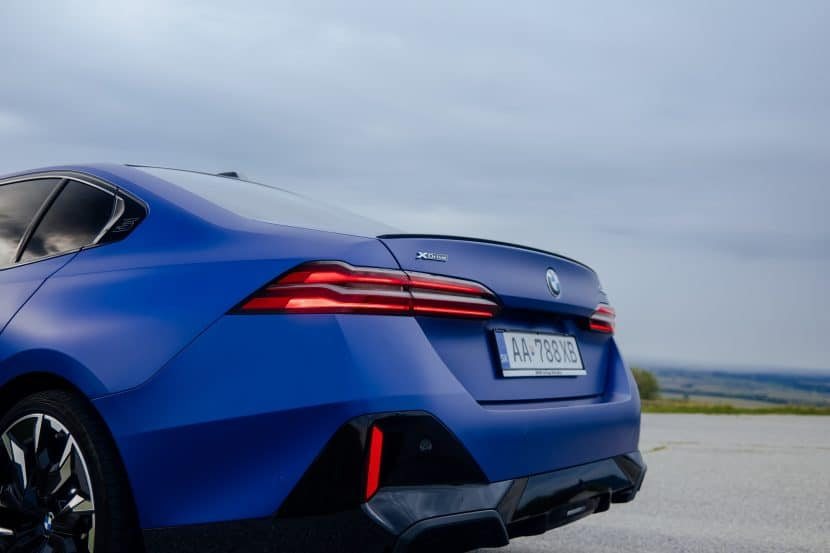
BMW to Lean on Standardised Parts in €80bn Purchasing Shift
In this issue
Business 185
BMW to Lean on Standardised Parts in €80bn Purchasing Shift
Culture 212
Léa Seydoux Says Next James Bond Must Be 'Layered'
Economy 36
G7 Agrees to Release 100 Million Barrels of Diesel and Crude Oil to Ease Price Su…
News 145
NSW Police Trials BMW 540d as Highway Patrol Car
Politics 110
Trump Urges Republicans to Vote by Mail After Years of Criticising the Practice
Sports 260
Falcons thrash Saints 45-24 as New Orleans marks 20 years since Katrina return
Technology 230
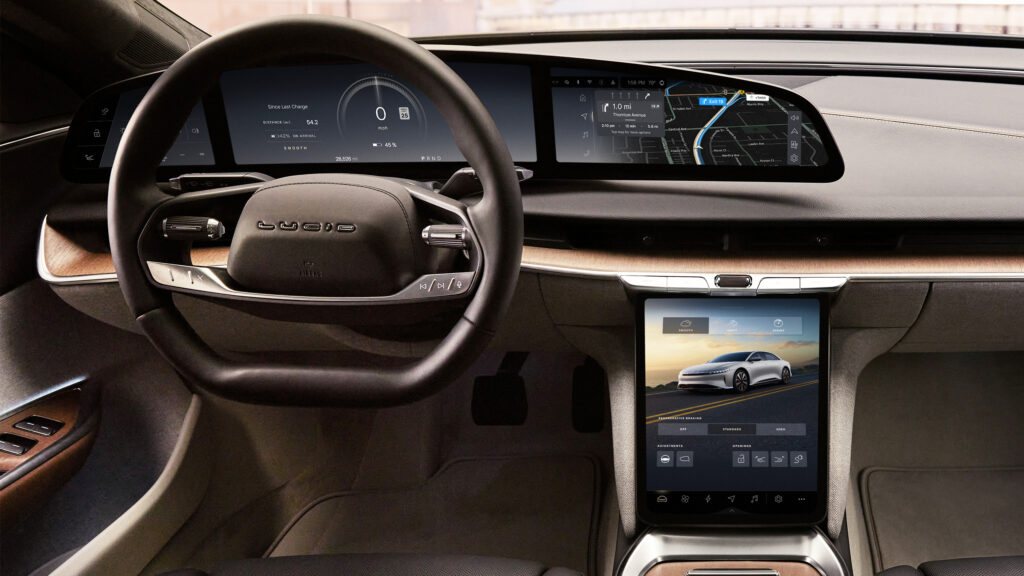
Lucid Air Gets OTA Infotainment Upgrade With Air UX 3.0
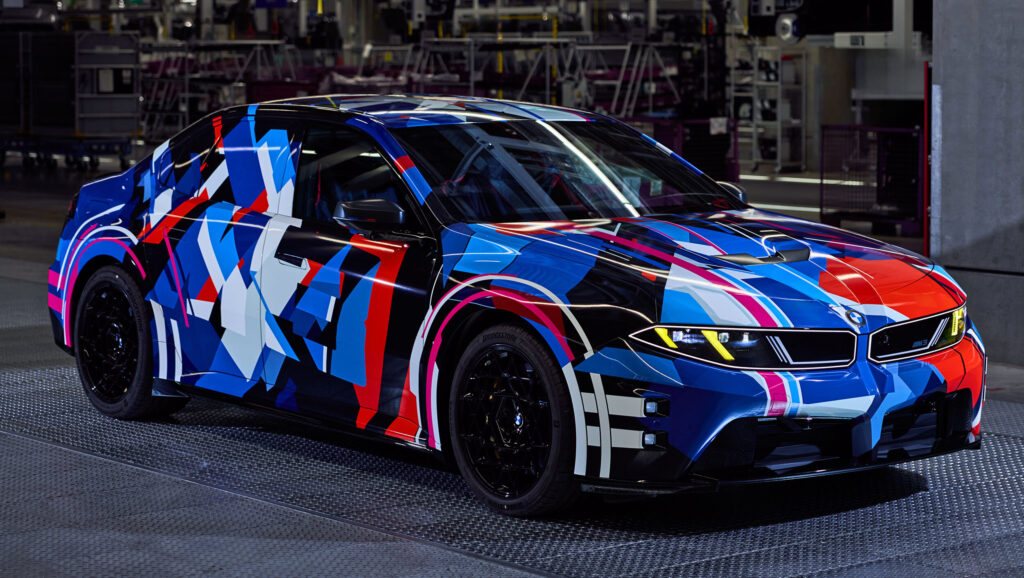
Hyundai's new Ioniq 3 small EV has gone on sale in the UK from £18,495 after qualifying for the full £3,750 Electric Car Grant, undercutting the Renault 5 and Citroën ë-C3 while offering up to 308 miles of range.
By George Kensington · 4 min read
Hyundai has put its new Ioniq 3 electric hatchback on sale in the UK with a starting price of £18,495, after the model was approved for the government's full £3,750 Electric Car Grant. The entry-level figure undercuts the Renault 5 Urban Range by £3,000 and the Citroën ë-C3 Urban Range by £1,500, while offering a longer official range than both rivals.
The Ioniq 3 is positioned between the small Renault 5 and the larger Volkswagen ID 3 in size, measuring 4.15 metres long and 1.51 metres tall. Hyundai describes its shape as an «aero-hatch», a sleek form developed to maximise aerodynamic efficiency. The design features a raked roofline, similar to that of the old Hyundai Veloster, ending in a prominent duck-tail rear spoiler. The front end has been sculpted for the smallest possible frontal area, yielding a drag coefficient of 0.26 — better than the Renault 5's 0.29.
All versions of the Ioniq 3 qualify for the full government grant. The entry-level Standard Range model, fitted with a 42.2kWh battery, is capable of 213 miles between charges. The Long Range model, with up to 308 miles of range, starts at £21,995. Upgrading to Premium trim, which reinstates the high-set instrument screen, begins at £23,695.
The entry-level car omits some key equipment found on other trims, most notably the high-set digital instrument panel that was central to the Ioniq 3's interior design. Drivers of the base model must instead look at the central infotainment touchscreen for speed and odometer readings. The cabin layout was developed around a «hands on the wheel, eyes on the road» philosophy, according to lead interior designer Victor Andrean. The thin digital instrument panel sits above the steering wheel rather than inside it, paired with a smaller steering wheel in a set-up similar to Peugeot's i-Cockpit.
The Ioniq 3's 12.9-inch infotainment screen is the first to use Hyundai's new Android Auto-based Pleos operating system, which allows apps to be installed natively in the car rather than relying solely on smartphone mirroring. Physical climate control and media switches sit below the screen. «The tactile feel of buttons is very important, and I think the European market really needs that,» Andrean said.
Standard Range cars use a 145bhp motor for a 0-62mph time of 9.0 seconds, while Long Range cars get a more efficient 132bhp variant. Charging peaks at 119kW for the former and 110kW for the latter, giving 10-80% refill times of 29 and 30 minutes respectively.
The aerodynamic silhouette brought compromises inside. The raked roofline reduced boot space, and the small front end combined with front-wheel drive left no room for a frunk. Hyundai's workaround was a large cargo space below the floor, similar to the Gigabox in the Ford Puma Gen-E, increasing load space from 322 to 441 litres. The design also cut into rear cabin space, so Hyundai carved into the headlining to free up extra head room.
Lead exterior designer Manuel Schöttle said Hyundai began with the most efficient aerodynamic shape but added it was «important to make sure it didn't look like a soap bar». He noted the Ioniq 3 is Hyundai's first electric car designed in Europe, shaped according to the company's new «Art of Steel» design language. It is not yet known whether a hot N version will join the line-up to rival the Alpine A290 and Volkswagen ID Polo GTI, though Schöttle said he «always sees potential for something more sporty».
15