Business 183
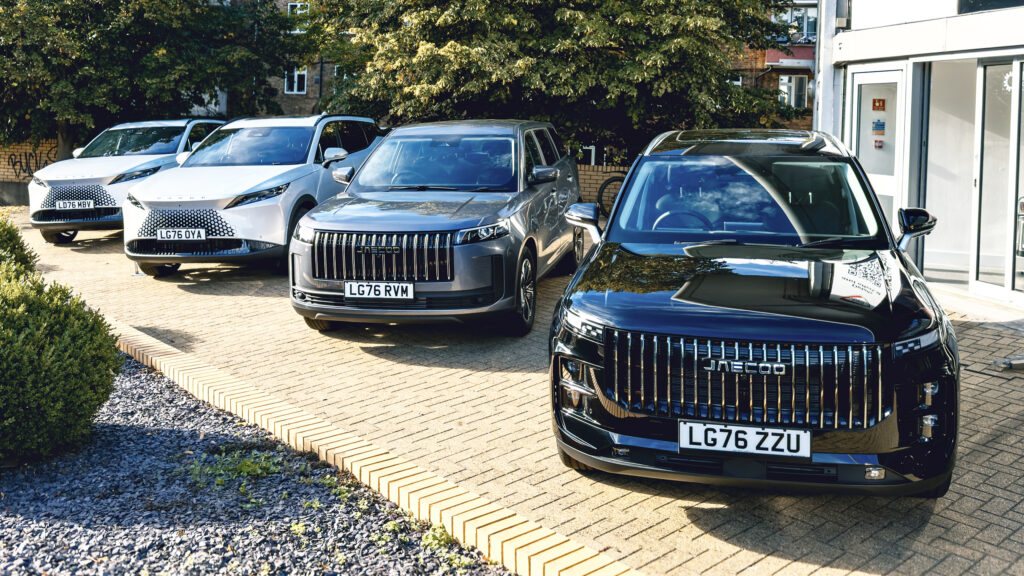
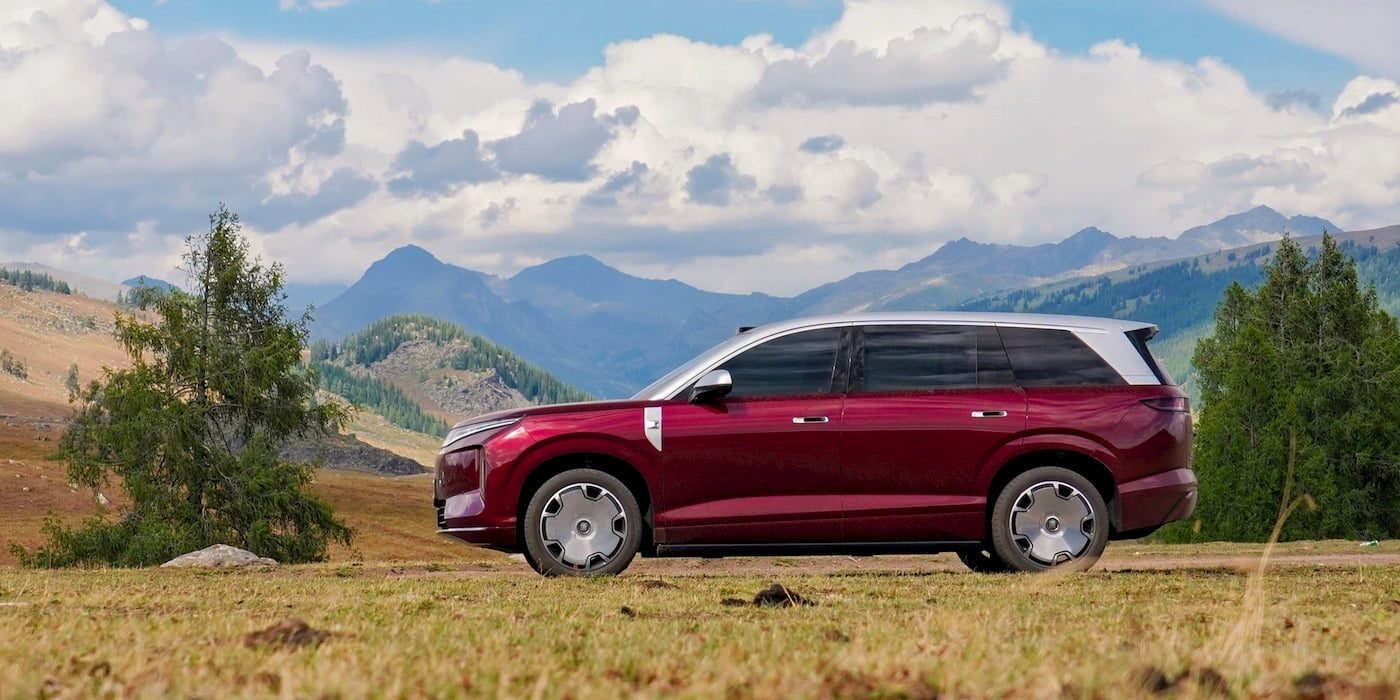
BYD's flagship electric SUV tops 10,000 sales for three straight months
In this issue
Business 183
BYD's flagship electric SUV tops 10,000 sales for three straight months
Culture 212
Léa Seydoux Says Next James Bond Must Be 'Layered'
Economy 36
G7 Agrees to Release 100 Million Barrels of Diesel and Crude Oil to Ease Price Su…
News 145
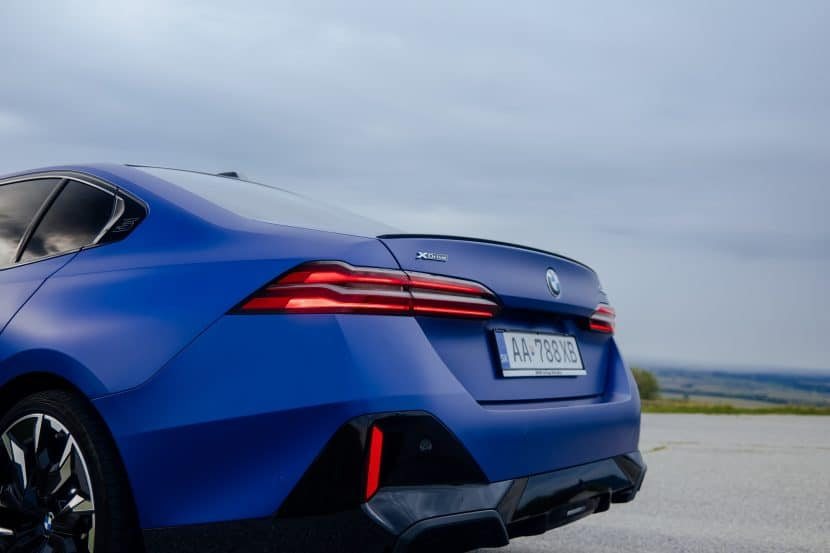
NSW Police Trials BMW 540d as Highway Patrol Car
Politics 110
Trump Urges Republicans to Vote by Mail After Years of Criticising the Practice
Sports 260
Falcons thrash Saints 45-24 as New Orleans marks 20 years since Katrina return
Technology 231
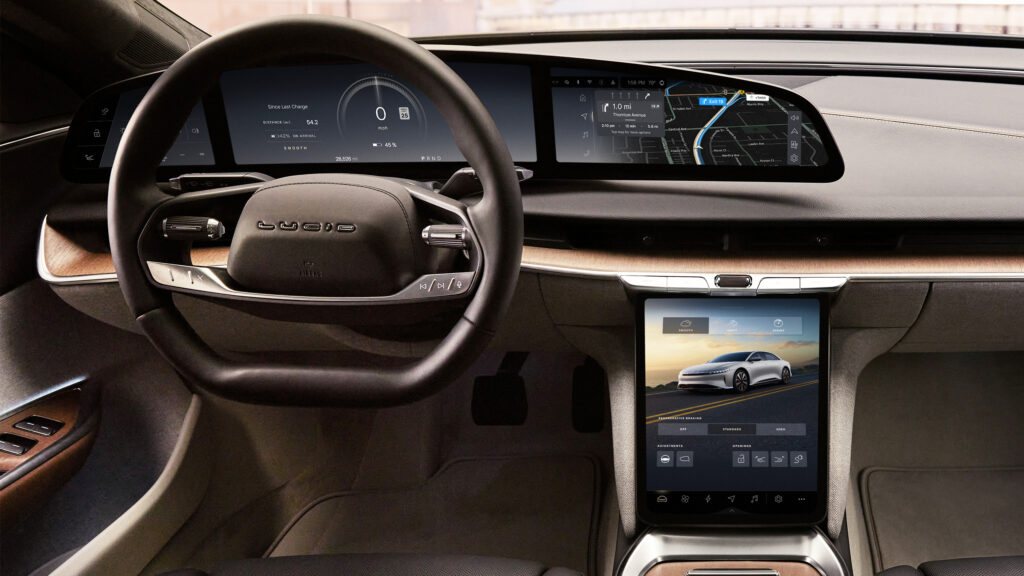
Lucid Air Gets OTA Infotainment Upgrade With Air UX 3.0
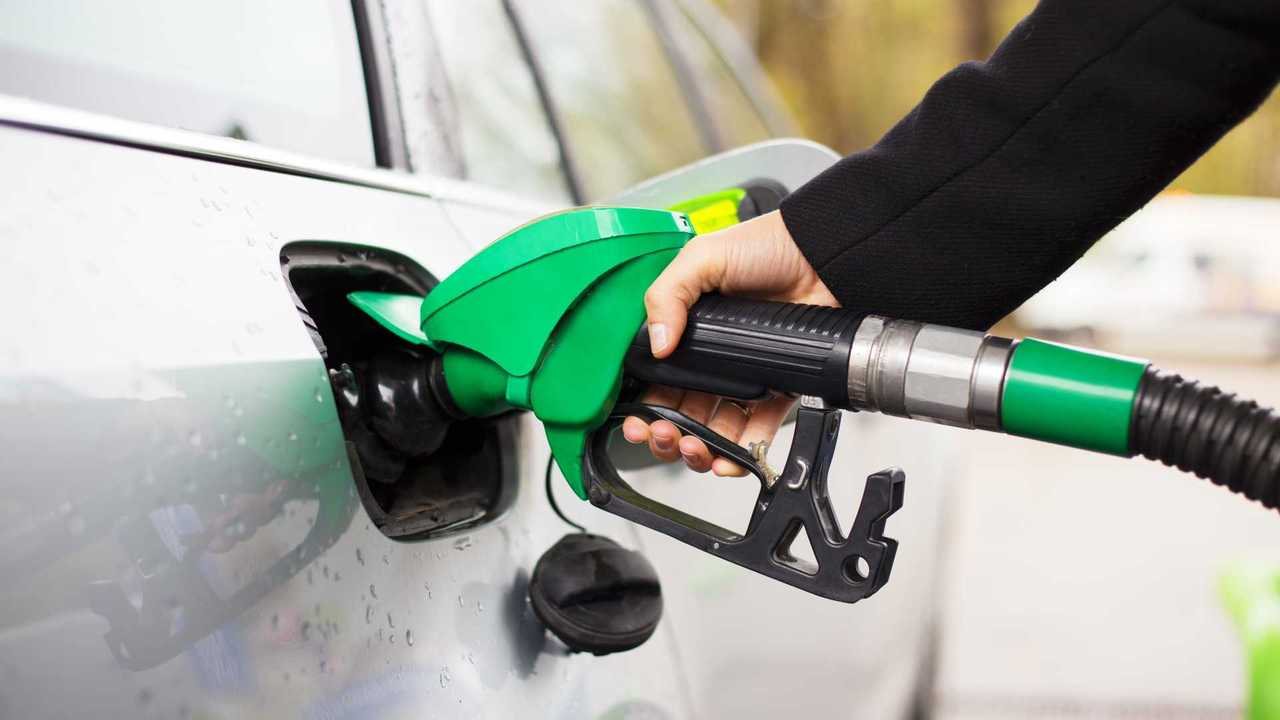
Pure petrol models accounted for 49 per cent of worldwide vehicle sales in the first half of 2026, the first time they have lost their majority since the 1920s, as China and Europe accelerate the shift to hybrids and battery-electric vehicles.
By Edward Beaumont · 5 min read
Pure petrol cars have lost their majority share of the global car market for the first time in more than a century, according to new sales figures covering the first half of 2026. Models powered solely by a combustion engine accounted for 49 per cent of worldwide sales in the period, slipping below the halfway mark as buyers in China and Europe moved decisively towards hybrids and battery-electric vehicles.
The milestone marks the end of a dominance that stretches back to the 1920s, when petrol-powered cars first overtook their rivals to become the default form of personal transport. For most of the past hundred years, a car without a petrol engine was a curiosity rather than a commercial proposition. The latest figures show how quickly that assumption has been overturned.
China and Europe are driving the change. Both markets have pushed hard into electrified powertrains, with hybrids acting as a bridge for drivers who are not yet ready to commit to a fully electric car. Battery-electric models have been the clearest beneficiaries of the decline in pure petrol sales, and some industry analysts now expect electric cars to dominate the global market by 2030.
The shift is not confined to the small-car segment. Renault used the Paris Motor Show this month to unveil the E-Space Concept, an electric reboot of the Espace minivan that helped popularise the family people carrier in Europe during the 1980s. The original Espace launched in 1984 and became a symbol of practical family transport before SUVs took over the market. In recent years the Espace badge has been attached to a three-row combustion-engined SUV, a sign of how far the minivan had fallen out of fashion.
Renault describes the new concept as a «future-focused version of the original» and a reboot of the model. The E-Space Concept measures 4,700mm in length, roughly the same as a Honda CR-V, and adopts a short bonnet, a vertical front face with LED lights and an illuminated Renault diamond badge, and a sharply raked windscreen. A horizontal waistline runs to a squared-off rear to maximise interior space, though Renault has not released seating or luggage figures. No interior images have been published ahead of the full reveal.
The concept is built around Renault's new RGEV platform for compact cars, which uses 800-volt electrics and is claimed to cost 40 per cent less to build than the company's current cars. The motor that comes with the architecture produces up to 271bhp, compared with 217bhp for today's equivalent. Renault has also said a range-extender option could lift electric driving range from 466 miles to 879 miles.
Renault has a record of turning concepts into production cars quickly. The Renault 5 took three years to reach the road, while the smaller Twingo took two, aided by development work in China. If the E-Space follows the same path, a production version could be on European roads within two years. The model will not be offered in the United States, where Renault has no presence, despite a recent resurgence in minivan sales in North America driven largely by millennial buyers.
The E-Space is one of several debuts on Renault's stand at the Paris show, alongside the Gordini 8 electric coupe concept, a Twingo electric subcompact with a new panoramic glass roof, facelifted Scenic and Megane models, and the 4 JP4x4 concept first previewed at this year's French Open tennis tournament.
For the wider industry, the fall below 50 per cent is a marker of how far electrification has progressed. Hybrids and battery-electric vehicles now account for the majority of global sales, and the direction of travel in the two largest markets suggests the petrol car's share will continue to shrink. The question for manufacturers is no longer whether to electrify, but how quickly they can convert their line-ups without losing customers in the regions where charging infrastructure and policy support lag behind.
9