Business 215
Fine Jewellers Fight Back as Dupe Culture Booms
In this issue
Business 215
Fine Jewellers Fight Back as Dupe Culture Booms
Culture 261
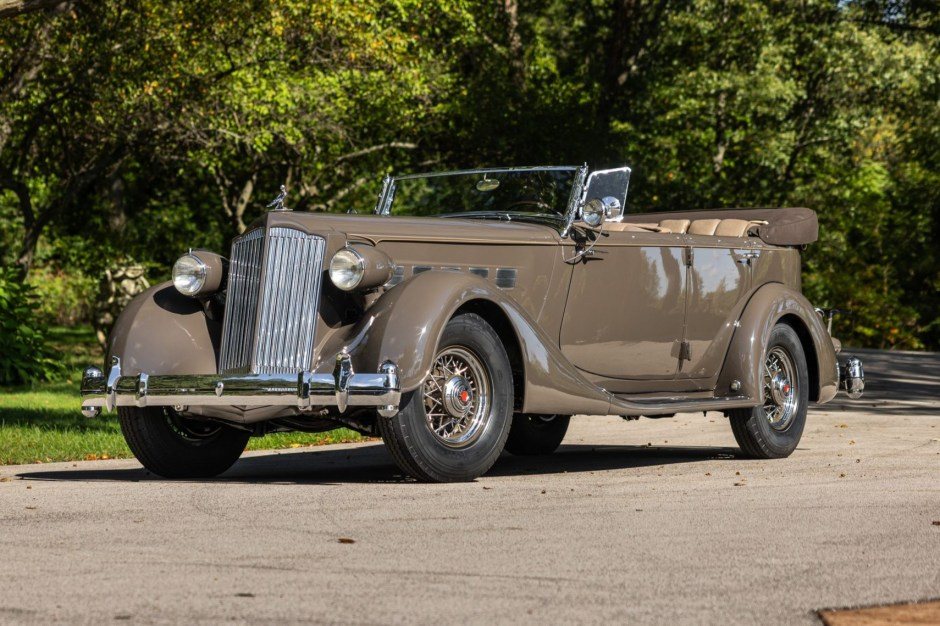
1936 Packard Super Eight Phaeton Heads to Auction in Indiana
Economy 40
US Petrol Prices Set Record for Longest Stretch Above $4 a Gallon
News 152
Trump Dismisses Press Secretary After Five Days
Politics 113
Trump Appoints Barbera Thornhill to Lead US Anti-Trafficking Office
Sports 276
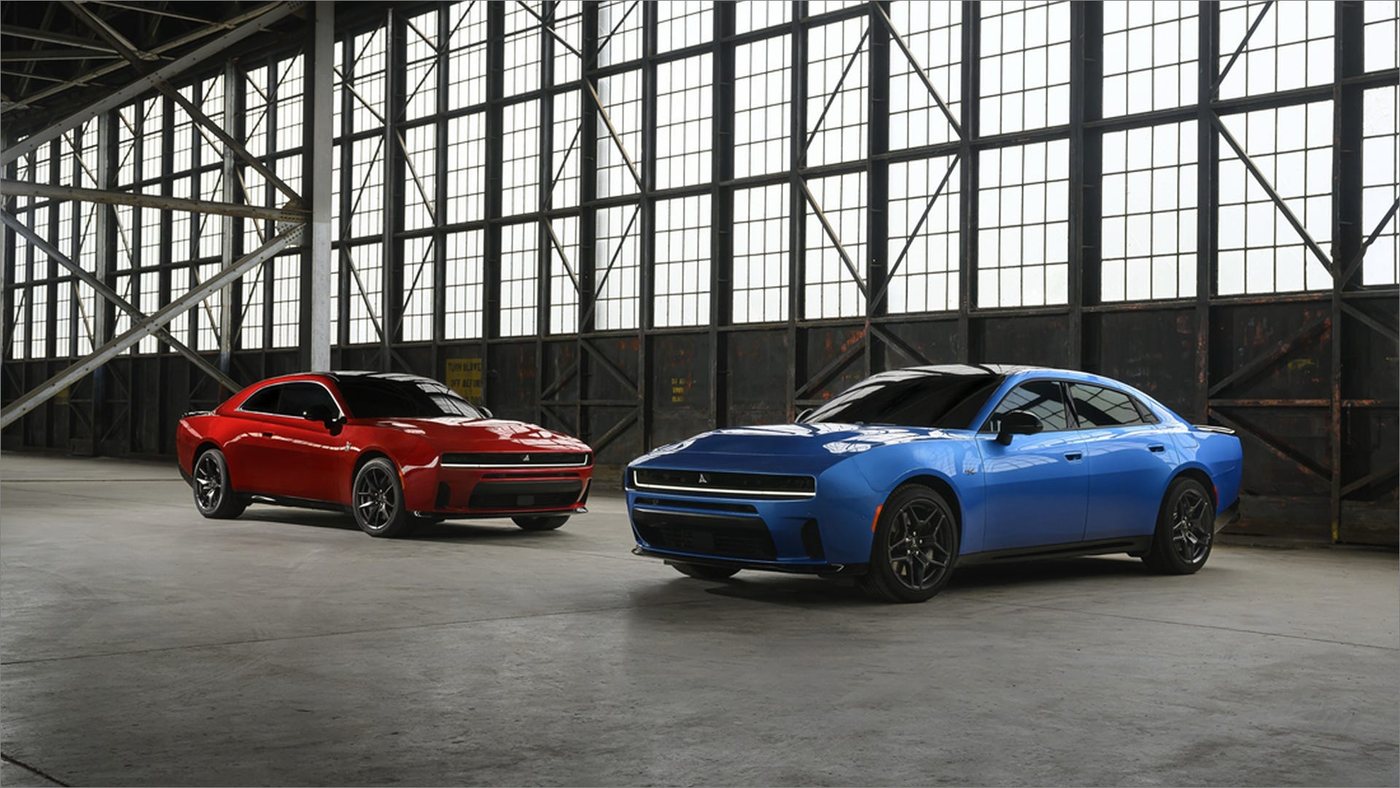
Dodge Charger Scat Pack: 550 HP as a Starting Point
Technology 303
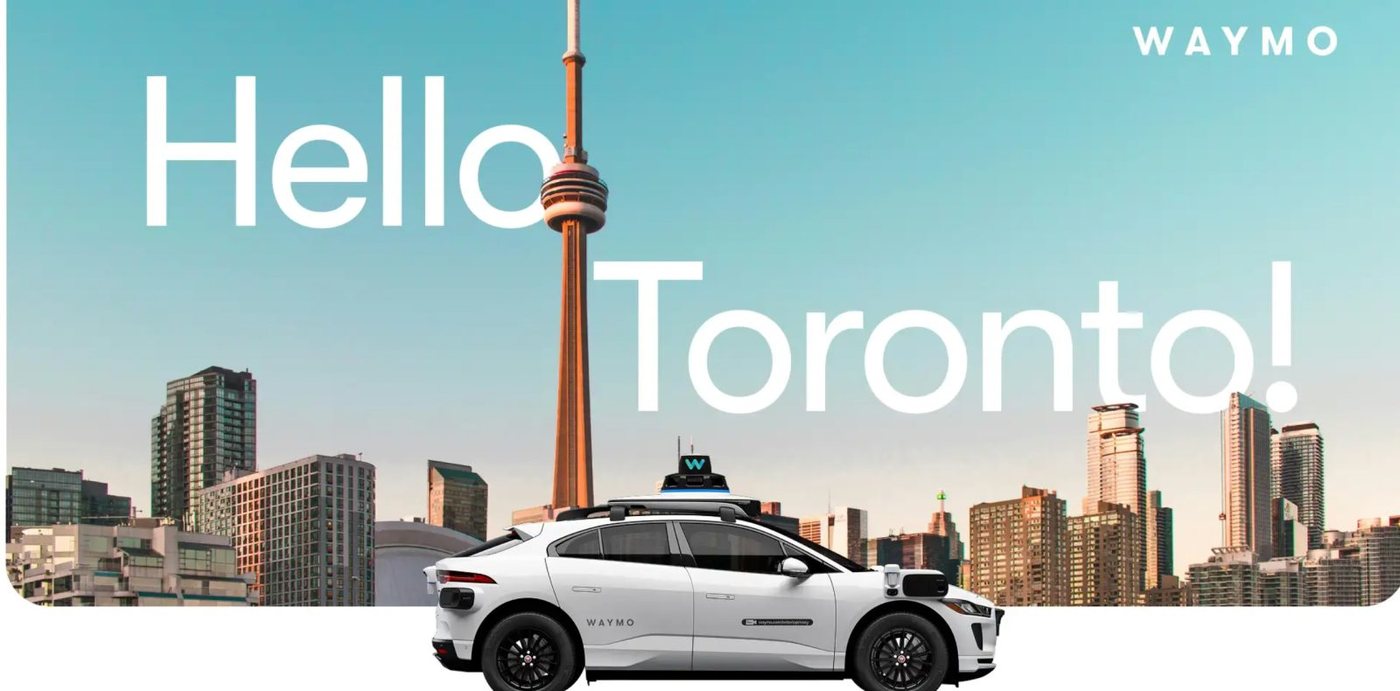
Waymo Chooses Toronto as First Canadian Robotaxi Market
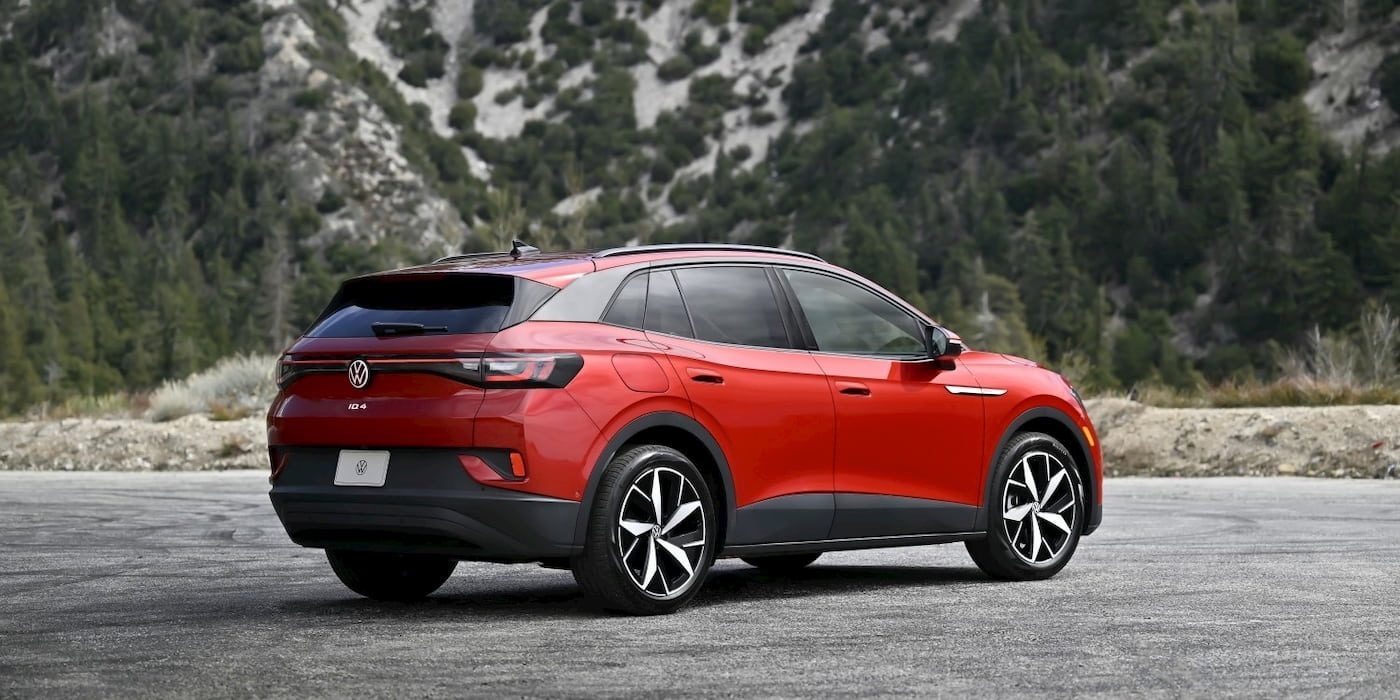
Volkswagen is recalling several thousand electric vehicles, including the ID.4 and ID. Buzz, and urging owners to limit charging to 80% until a fix is available. The recall extends beyond the US.
By Edward Beaumont · 4 min read
Volkswagen is recalling several thousand electric vehicles worldwide, including the ID.4 and ID. Buzz, after identifying a battery-related defect. The German carmaker is advising owners to limit charging to 80% until a permanent remedy is available.
The recall affects vehicles beyond the United States, though the company has not specified exactly how many cars are involved or which markets are covered. The ID.4 is Volkswagen's best-selling electric model in several regions, while the ID. Buzz is its retro-styled electric van. Both models share the group's MEB electric platform.
Volkswagen has not yet disclosed the precise nature of the fault, but the precautionary charging limit suggests a potential risk linked to high-voltage battery cells when charged to full capacity. Owners are being contacted directly, and the company says a fix is being developed.
The recall adds to a growing list of battery-related safety actions across the electric vehicle industry. In recent years, several manufacturers have had to recall EVs over fire risks or cell defects, often traced to suppliers. Volkswagen's move follows similar steps by other carmakers, as regulators in Europe and North America tighten scrutiny of EV safety.
For Volkswagen, the recall comes at a delicate moment. The company is investing heavily in electric vehicles while facing softer demand in some markets and intense competition from Chinese manufacturers. A large-scale recall can be costly, both in terms of repair expenses and reputational damage, especially when it involves flagship electric models.
The ID.4 has been central to Volkswagen's electric strategy, positioned as a mass-market family SUV. The ID. Buzz, meanwhile, has attracted attention for reviving the spirit of the classic Microbus. Both rely on the same modular electric drive matrix, which underpins a wide range of models across the Volkswagen Group.
Owners affected by the recall are being told to limit charging to 80% as an interim measure. This reduces the risk of a fault occurring while the company prepares a permanent solution. Such advice is not unusual in battery recalls, as charging to full capacity can place additional stress on cells.
Volkswagen has not said when the fix will be ready or whether it will involve software updates, hardware replacements, or both. The company is expected to provide more details as the recall progresses. In the meantime, drivers are advised to follow the charging guidance and await further communication.
The recall is likely to be closely watched by investors and regulators. Volkswagen is one of the world's largest carmakers, and its electric vehicle programme is a key part of its future strategy. Any safety issue involving its flagship EVs will draw attention to the challenges of scaling up battery production and quality control.
For now, the priority is to ensure that affected vehicles are repaired and that owners are kept informed. Volkswagen has said it is working on a remedy, and the recall will proceed in coordination with relevant authorities in each market.
8