Business 215
Fine Jewellers Fight Back as Dupe Culture Booms
In this issue
Business 215
Fine Jewellers Fight Back as Dupe Culture Booms
Culture 261
1936 Packard Super Eight Phaeton Heads to Auction in Indiana
Economy 40
US Petrol Prices Set Record for Longest Stretch Above $4 a Gallon
News 151
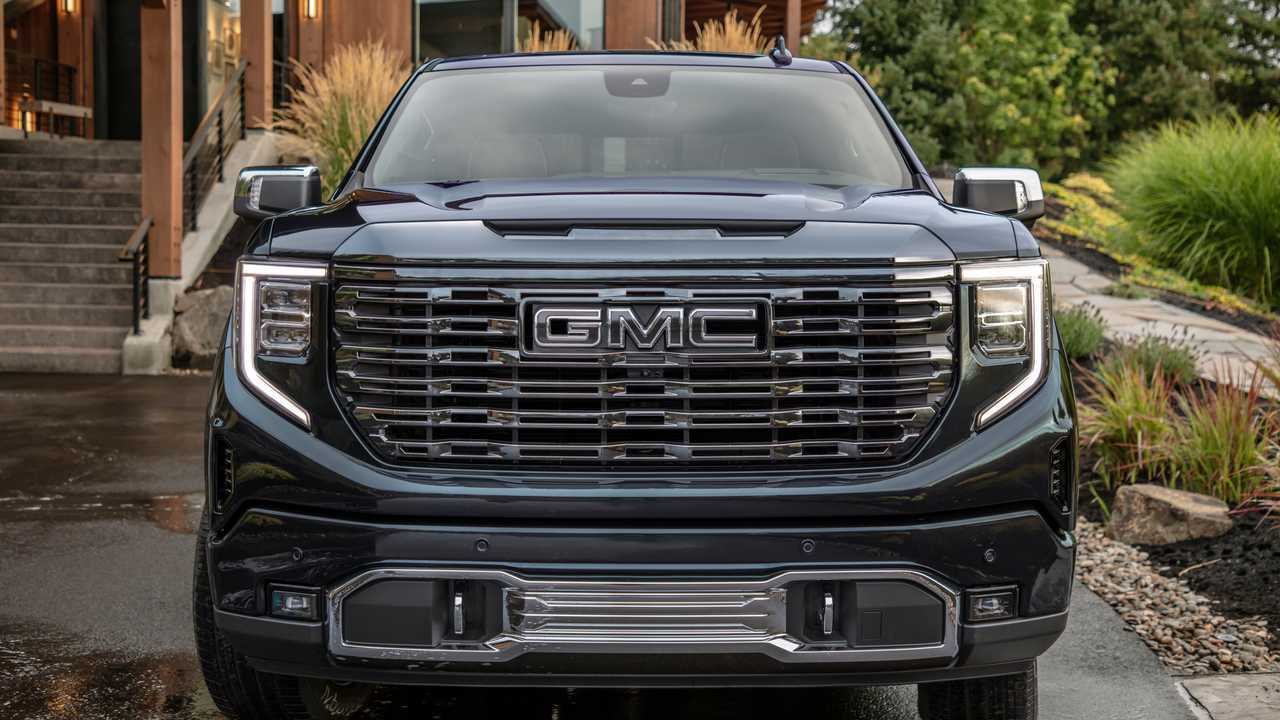
US Safety Agency Investigates 535,000 GMC Sierra Trucks Over Grille Deflector Fau…
Politics 113
Trump Appoints Barbera Thornhill to Lead US Anti-Trafficking Office
Sports 275
Nick Heidfeld's Rare BMW 3.0 CSL Heads to Auction in Zurich
Technology 302
MINI Countryman Untamed Edition Review: Off-Road Capability With Limits
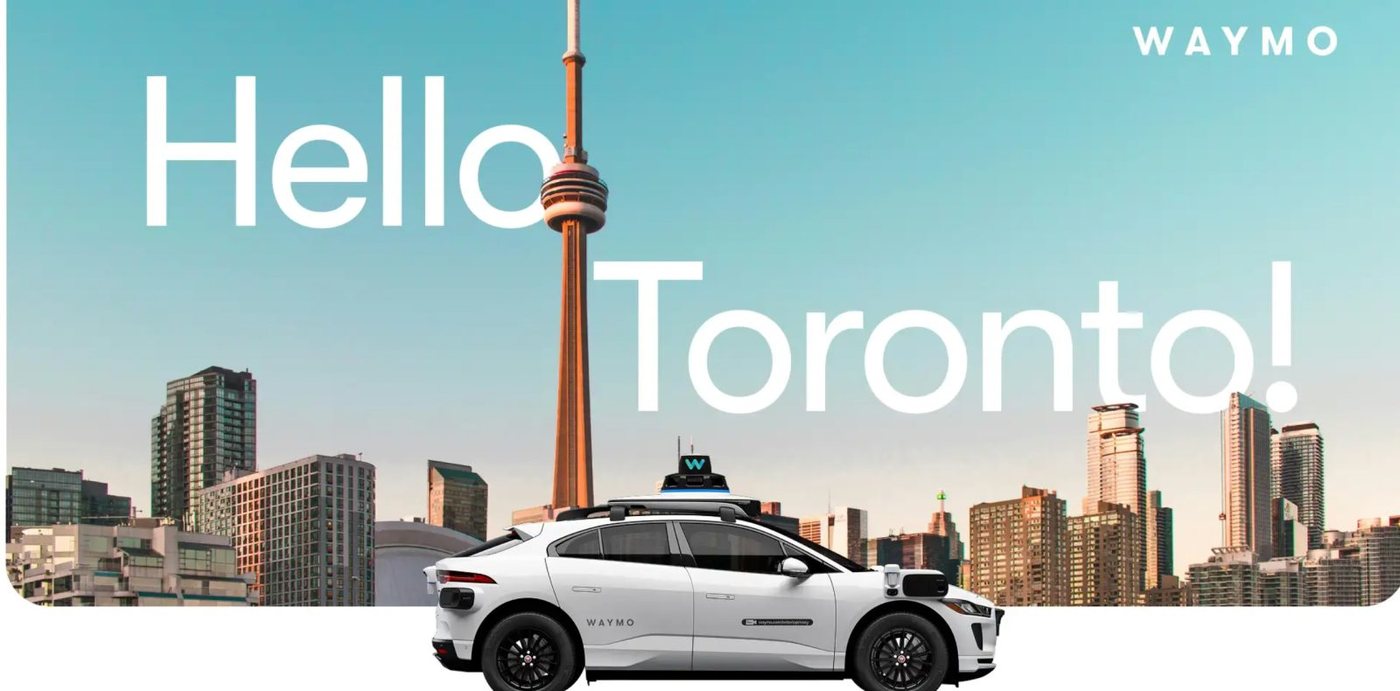
Waymo will begin mapping Toronto's streets within days and aims to carry its first public passengers in Canada by 2028, making the city its fourth announced market outside the United States after London, Tokyo and Singapore. Ontario currently lacks a regulatory framework for commercial driverless services.
By Eleanor Ellington · 4 min read
Waymo has selected Toronto as the first Canadian city for its robotaxi service, with its vehicles set to begin driving the city's streets within days. The Alphabet-owned company intends to welcome its first public riders in Canada by 2028, according to its announcement.
The move makes Toronto Waymo's fourth announced market outside the United States, following London, Tokyo and Singapore. It signals the company's continued international expansion as it seeks to establish a presence in major urban centres beyond its American heartland, where it already operates commercial services in cities including San Francisco, Phoenix and Los Angeles.
Toronto's selection reflects its status as one of North America's largest and most densely populated metropolitan areas, with a tech sector that has attracted significant investment in recent years. Waymo has not disclosed how many vehicles it will deploy in the city or the precise boundaries of its initial operating area.
However, the expansion faces a significant regulatory obstacle. Ontario does not yet have rules governing commercial driverless services, meaning Waymo cannot legally charge passengers for rides under the province's current framework. The company will need the provincial government to establish a licensing and oversight regime before a commercial service can launch.
Waymo has not indicated whether it is in discussions with Ontario officials about creating such a framework, nor has it set out a timeline for when regulatory approval might be sought. The gap between the start of testing and the 2028 target for public riders suggests the company expects the rules to be developed over the coming years.
The announcement comes as autonomous vehicle companies face growing scrutiny over safety, liability and the impact on existing transport workers. Waymo's vehicles have been involved in a number of high-profile incidents in the United States, including collisions with pedestrians and disruptions at airports, which have drawn regulatory attention and public debate.
In Canada, the introduction of driverless cars would raise similar questions about insurance, data privacy and the readiness of urban infrastructure. Toronto's winter weather, with snow, ice and salt on roads, presents technical challenges that Waymo's vehicles have not yet faced at scale in its existing markets.
Waymo has previously said its system is designed to handle a range of weather conditions, but the company has not detailed how it will adapt to Canadian winters or whether testing will be paused during severe weather events.
The company's international ambitions extend beyond Toronto. London, Tokyo and Singapore have all been named as future markets, though timelines for those cities remain unclear. Waymo has also been expanding in the United States, where it recently announced plans to launch in additional cities.
For Toronto, the arrival of Waymo vehicles for mapping and testing represents the first tangible step towards a commercial robotaxi service. The company typically begins by manually driving routes to collect data before transitioning to autonomous operations, a process that can take months or years depending on local conditions and regulations.
Whether Toronto riders will actually be able to hail a Waymo without a safety driver by 2028 depends largely on how quickly Ontario develops its regulatory framework. Until then, the cars will be a familiar sight on the city's streets, but not yet a commercial service.
5