Business 215
Fine Jewellers Fight Back as Dupe Culture Booms
In this issue
Business 215
Fine Jewellers Fight Back as Dupe Culture Booms
Culture 260
2013 McLaren 12C Spider Offered at No Reserve
Economy 40
US Petrol Prices Set Record for Longest Stretch Above $4 a Gallon
News 151
US Safety Agency Investigates 535,000 GMC Sierra Trucks Over Grille Deflector Fau…
Politics 113
Trump Appoints Barbera Thornhill to Lead US Anti-Trafficking Office
Sports 274
Middlesbrough Host Cardiff City in Championship Clash
Technology 300
Toyota Proposes VEEF Category to Give Renewable-Fuel Cars EV Status in Europe
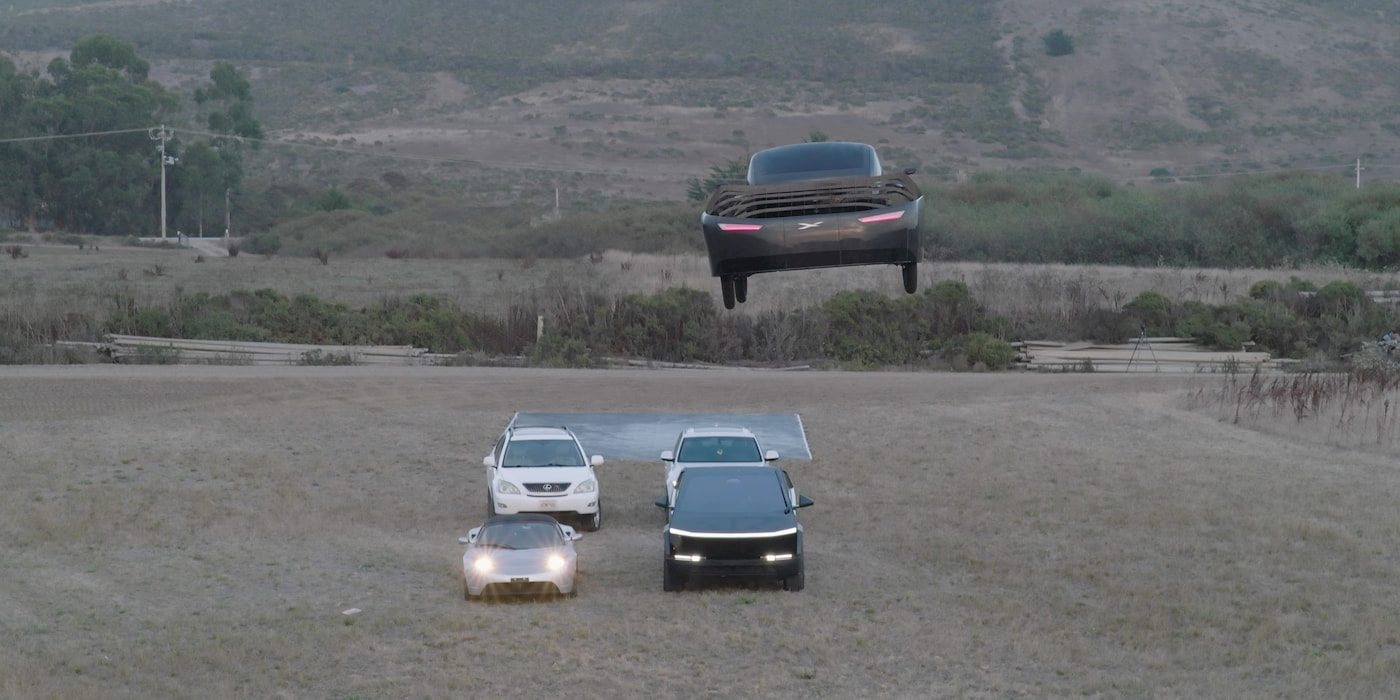
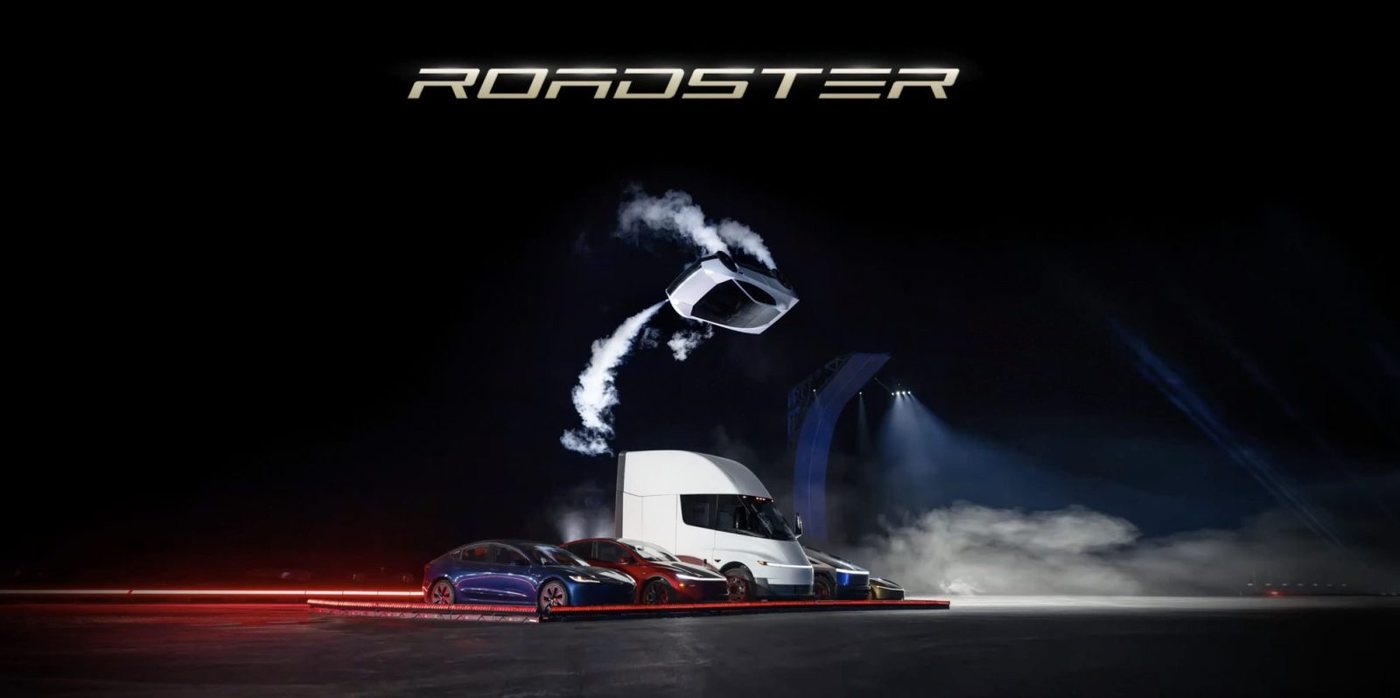
Alef Aeronautics has released video of its electric flying car soaring over a Tesla Roadster, welcoming Elon Musk's company to a market it says it had to itself until now.
By Edward Beaumont · 3 min read
Alef Aeronautics has welcomed Tesla into the emerging electric flying car market with a pointed demonstration, releasing footage of its own flying vehicle passing over a Tesla Roadster. The California-based company said that until the Roadster's arrival, «there was only one car in the flying car market» — a reference to its own Model A prototype.
The video is a direct response to Tesla's high-profile reveal of the new Roadster, which the electric carmaker presented with a dramatic demonstration involving suction and cold-gas thrusters at a SpaceX test site in Texas. During that event, the Roadster performed a tethered flip, a stunt that drew widespread attention but left several of Tesla's more ambitious performance claims unproven.
Alef's decision to release the overflight footage signals that competition in the nascent flying car sector is beginning to sharpen. The company has positioned itself as a first mover in a category that blends automotive and aerospace engineering, and it appears keen to remind both investors and the public that it was operating in this space before Tesla's entry.
Tesla's Roadster demonstration has raised questions beyond mere performance. Chief executive Elon Musk was notably evasive when asked whether the vehicle would be street legal, declining to confirm whether owners would be permitted to drive it on public roads. That ambiguity matters for a machine that is being marketed with capabilities far beyond conventional motoring.
The tethered flip shown at the Texas site relied on suction and cold-gas thrusters rather than the kind of sustained, free flight that would define a genuinely road-legal flying car. As a result, the gap between a controlled demonstration and a certified, producible vehicle remains substantial — a gap that Alef's own overflight video implicitly highlights.
Alef has not disclosed new technical specifications or timelines in connection with the video, and Tesla has not responded publicly to the overflight. The exchange nonetheless illustrates how the flying car field is shifting from speculative concept work toward competitive positioning, with companies using stunts and social media to stake claims in a market that has yet to deliver a mainstream product.
For now, both firms face the same unresolved challenges: regulatory approval, safety certification, and the basic engineering question of how to combine road capability with vertical flight. Alef's message is clear — it intends to defend its early lead, even as a far larger rival enters the race.
7