Business 215
Fine Jewellers Fight Back as Dupe Culture Booms
In this issue
Business 215
Fine Jewellers Fight Back as Dupe Culture Booms
Culture 260
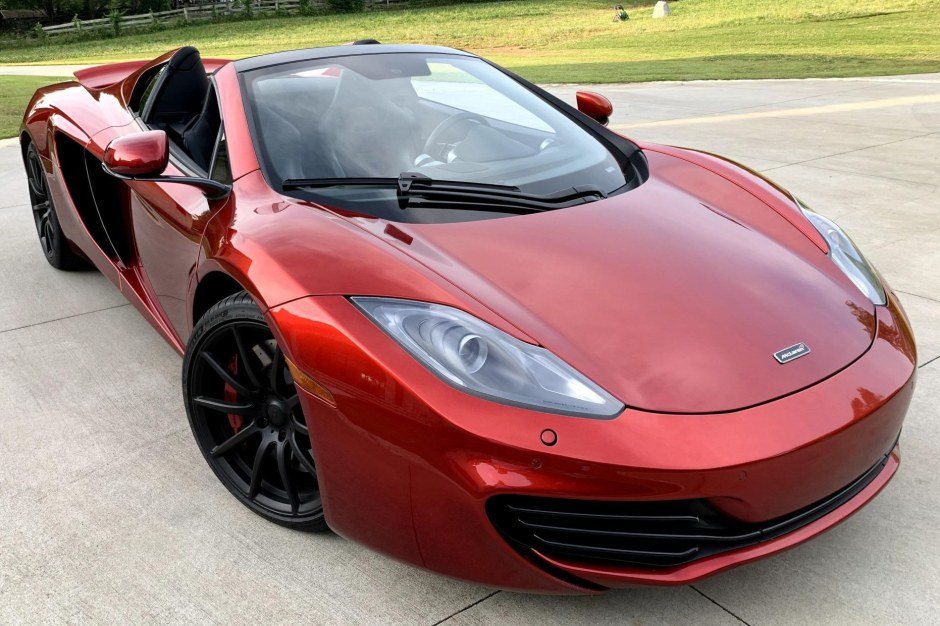
2013 McLaren 12C Spider Offered at No Reserve
Economy 40
US Petrol Prices Set Record for Longest Stretch Above $4 a Gallon
News 151
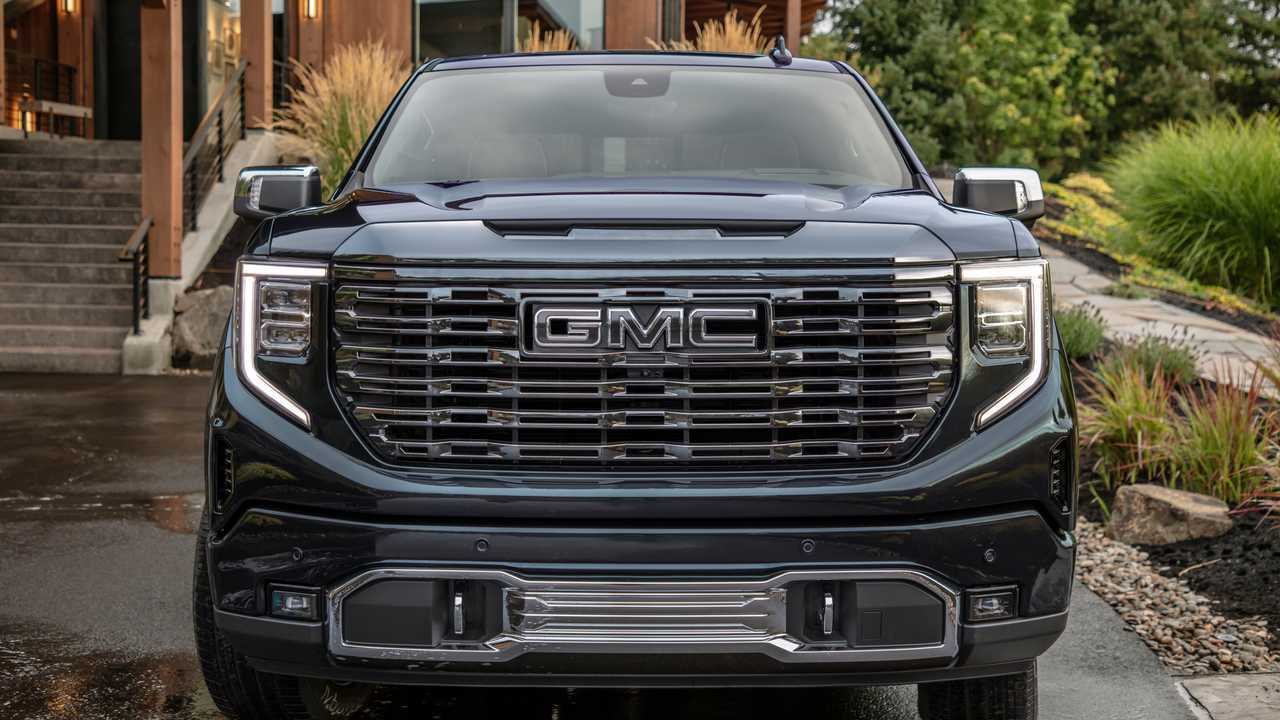
US Safety Agency Investigates 535,000 GMC Sierra Trucks Over Grille Deflector Fau…
Politics 113
Trump Appoints Barbera Thornhill to Lead US Anti-Trafficking Office
Sports 275
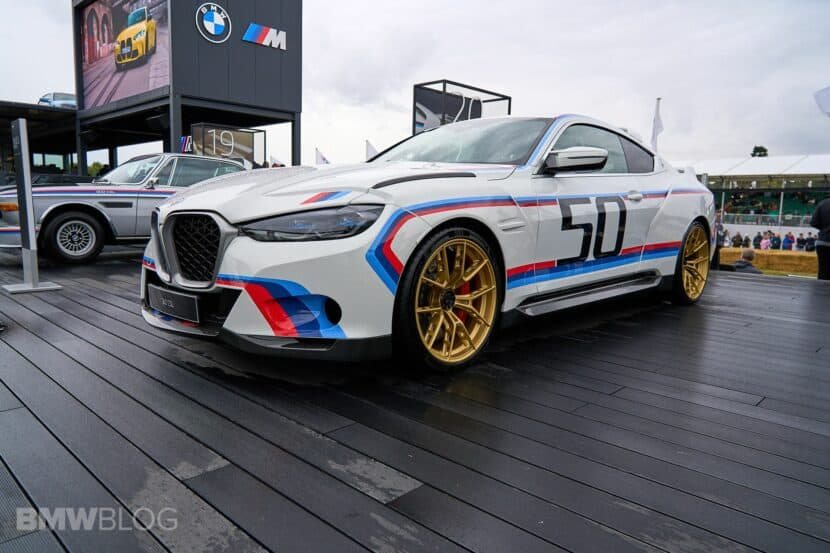
Nick Heidfeld's Rare BMW 3.0 CSL Heads to Auction in Zurich
Technology 301
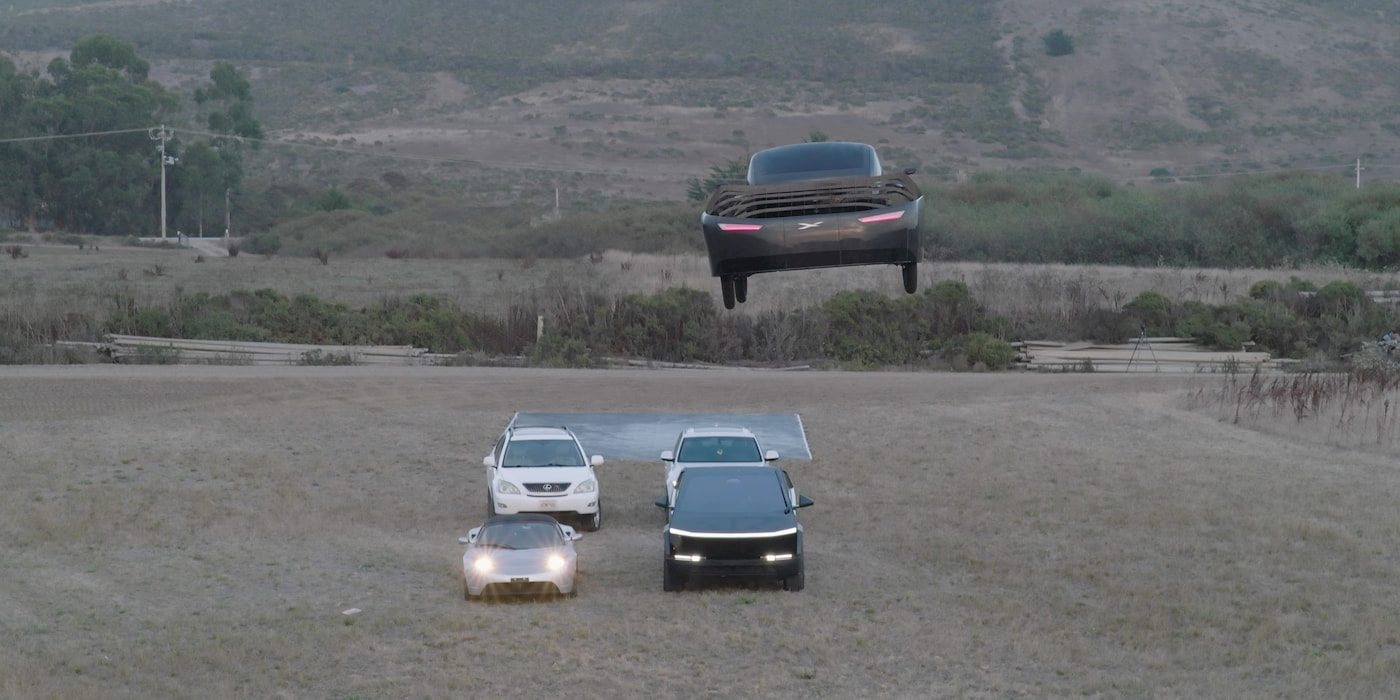
Alef Flies Its Electric Car Over Tesla Roadster as Flying Vehicle Race Heats Up
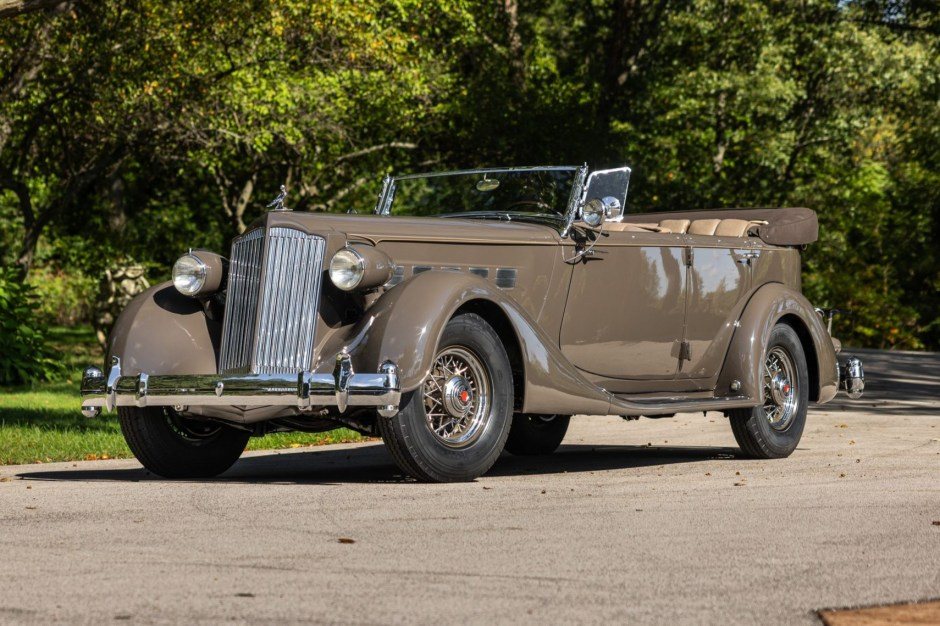
A rare 1936 Packard Super Eight Series 1404 Phaeton, one of the earliest Model 951 examples built, is offered by a dealer in Indiana after a life spanning Boston, California, and a 1970s Hollywood refurbishment.
By George Kensington · 4 min read
A 1936 Packard Super Eight Series 1404 Phaeton, the fifth example built with Model 951 coachwork for that model year, is being offered for sale by a dealer in Indiana. The car was sold new by the Packard Motor Car Company of Boston and spent much of its life in California, according to the listing. It is accompanied by manufacturer's literature and a Missouri title.
The phaeton is finished in gray with orange pinstripes along the shoulder lines and wheel arches. Its coachwork is configured without side-mount spares and features doors hinged at the B-pillars, counterweighted bumpers, a body-color radiator shell, thermostatically controlled grille shutters, and a «Daphne at the Well» radiator mascot. A windshield-mounted C.M. Hall spotlight, wind wings, dual side mirrors, and a fold-down rear luggage rack with a chrome bumper complete the exterior. A dark brown convertible top is fitted.
The car is said to have undergone a refurbishment in Hollywood, California, in the late 1970s, reportedly by Tom Sparks. It was sold on Bring a Trailer in May 2024 before being acquired by the selling dealer in 2025. Paint meter readings are presented in the gallery accompanying the listing.
Power comes from a replacement 384.8ci L-head inline-eight engine that breathes through a dual-throat Stromberg downdraft carburetor and was factory rated at 150 horsepower. Engine number 755694 is stamped on the block and corresponds with a 1935 model. Power is sent to the rear wheels via a three-speed manual transmission with synchromesh on its top two gears.
The chassis features mechanically actuated servo-assisted drum brakes, adjustable ride-control suspension, and a Bijur automatic lubrication system. Suspension at each end incorporates leaf-sprung solid axles with double-acting hydraulic lever-arm shock absorbers that can be adjusted for firmness via the Ride Control knob under the dash. The car rides on 17-inch wire wheels with chrome spokes and beauty rings, wrapped in Michelin tires. Frame number 0075134 is stamped on the frame and listed as the car's identification number on the title.
The cabin is trimmed in tan leather over a front bench seat with fore and aft power adjustment, as well as over the rear bench, door panels, and rear side panels. Additional features include color-keyed carpeting, bright Packard-branded threshold plates, dual gloveboxes with a passenger-side lock, a rear robe bar, a rear footrest, and a fold-down rear armrest. Wear on the upholstery is shown up close in the gallery.
The three-spoke steering wheel sits ahead of a woodgrain dash that houses a 120-mph speedometer, a clock, and gauges monitoring fuel level, coolant temperature, amperage, and oil pressure. The five-digit odometer shows 73,000 miles, approximately 21 of which have been added under current ownership.
Introduced in August 1935, the 14th-Series Packard models carried over much of the previous model year's styling while gaining an increased radiator slope, revised fenders, and chrome headlight trim strips. The Super Eight was again offered on three different wheelbases, with nine body styles available on the 139-inch-wheelbase 1404 platform, including the Dietrich-styled Phaeton.
The Series 1404 Phaeton represents a high point of pre-war American coachbuilding, combining Packard's engineering reputation with custom-style bodywork. Examples with documented history and refurbishment records are increasingly sought after by collectors of classic American automobiles.
5