Business 216
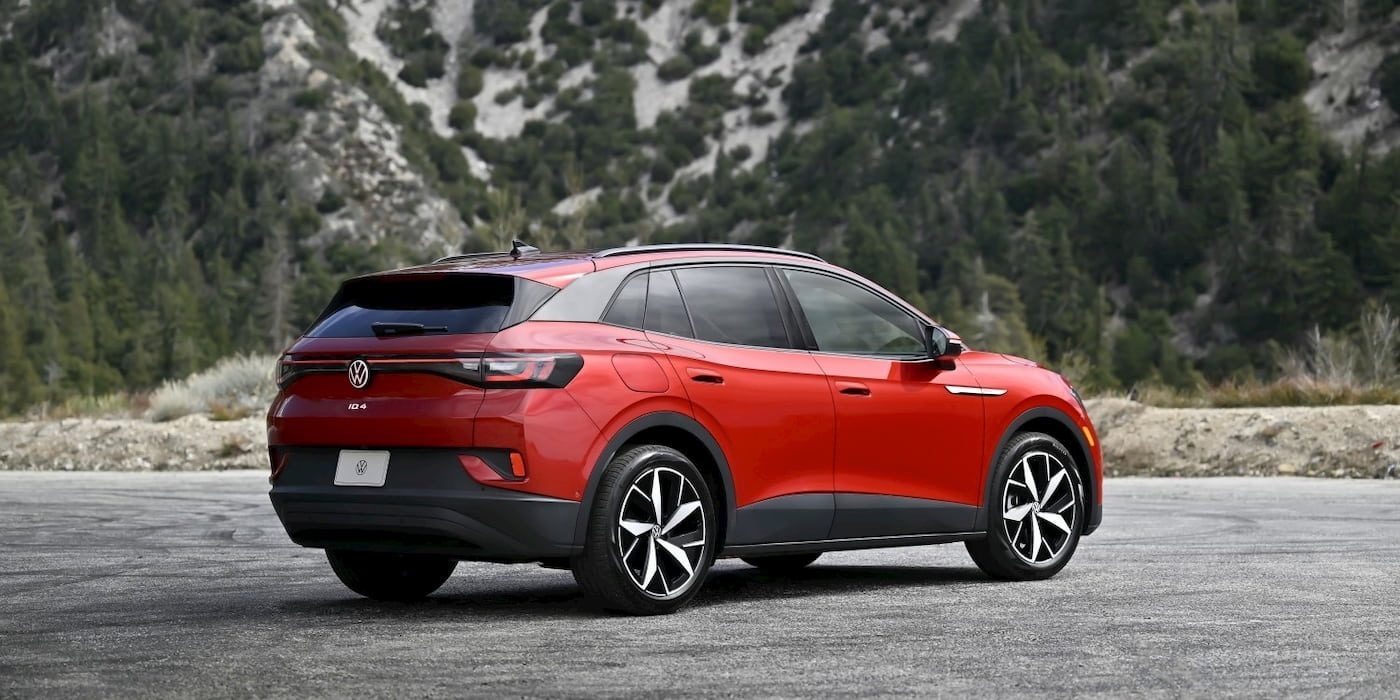
Volkswagen Recalls Thousands of EVs Over Battery Risk
In this issue
Business 216
Volkswagen Recalls Thousands of EVs Over Battery Risk
Culture 261
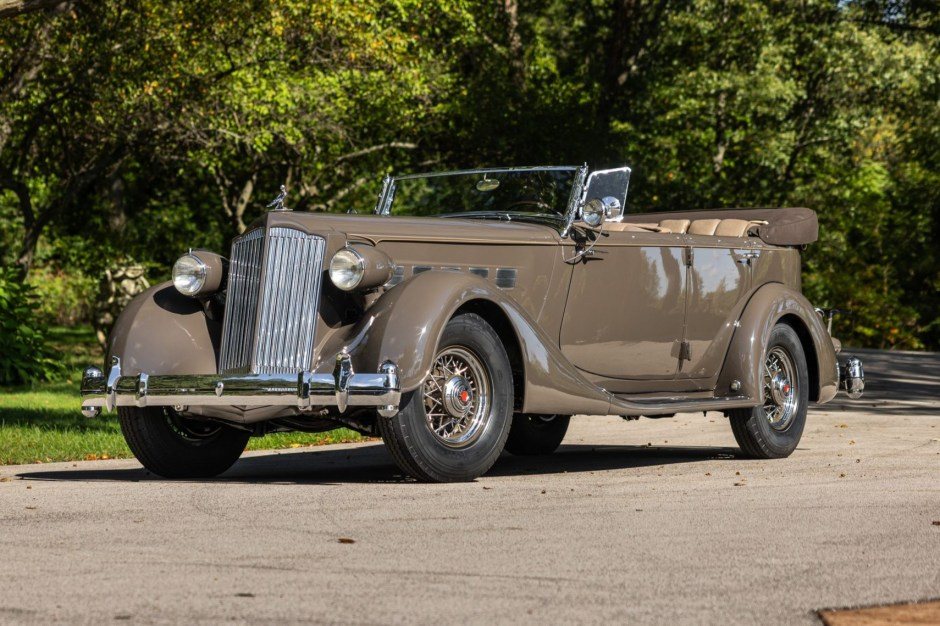
1936 Packard Super Eight Phaeton Heads to Auction in Indiana
Economy 40
US Petrol Prices Set Record for Longest Stretch Above $4 a Gallon
News 152
Trump Dismisses Press Secretary After Five Days
Politics 113
Trump Appoints Barbera Thornhill to Lead US Anti-Trafficking Office
Sports 275
Nick Heidfeld's Rare BMW 3.0 CSL Heads to Auction in Zurich
Technology 303
Waymo Chooses Toronto as First Canadian Robotaxi Market
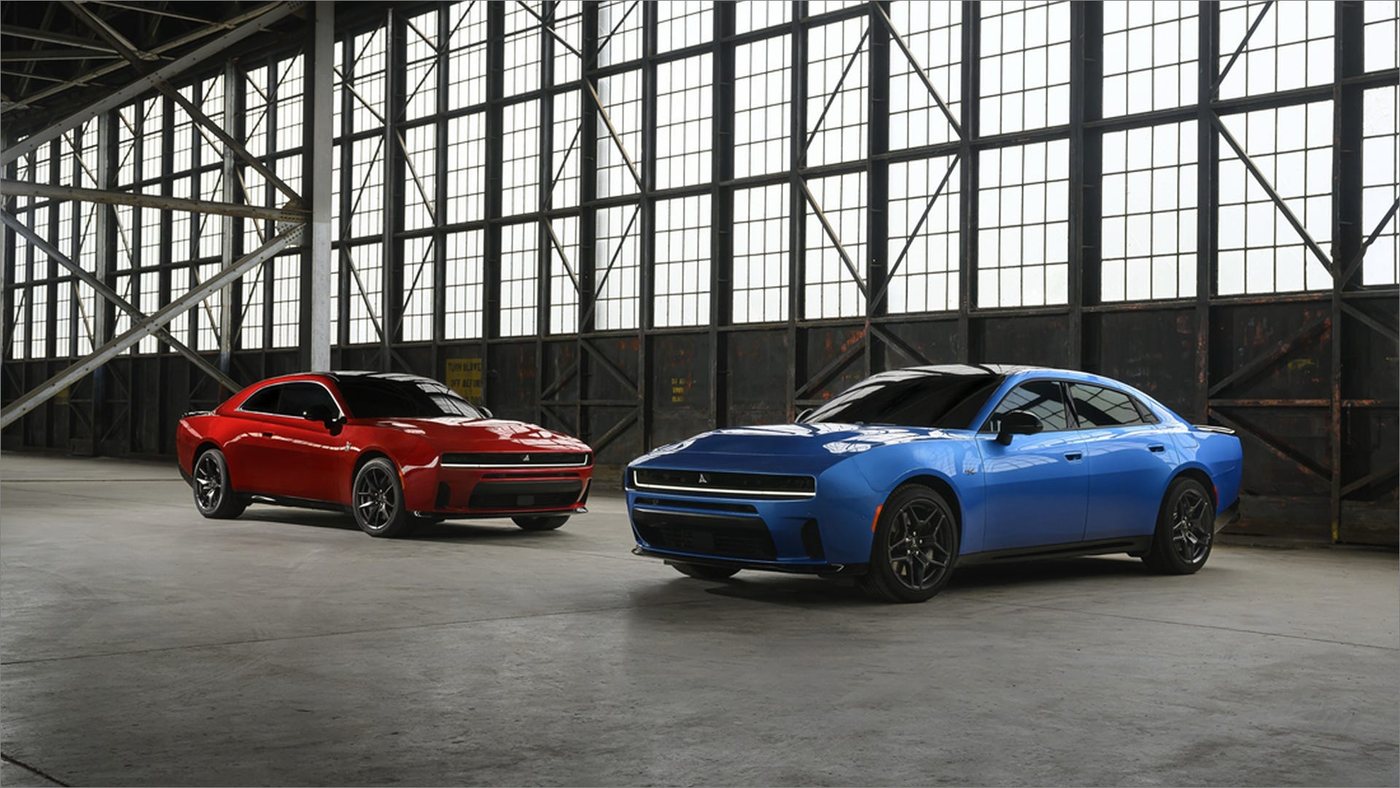
Dodge's widebody Charger Scat Pack pairs rear-drive balance with a twin-turbo straight-six, leaving the next 550 horsepower in the owner's hands.
By George Kensington · 5 min read
Dodge has positioned the Charger Scat Pack as a machine whose factory specification is only the beginning. The widebody stance, rear-drive balance and a twin-turbo straight-six are supplied as standard, but the company frames the 550 horsepower output as a platform rather than a finished product. The message is that what an owner does with that power is entirely their own decision.
The Scat Pack name has long signalled a step above the standard Charger range, and this latest iteration continues that tradition by combining a muscular body with a chassis set up for rear-wheel drive. The widebody treatment widens the car's track and gives it a more planted look, while the twin-turbo straight-six replaces the larger displacement engines that once defined the badge. That shift reflects broader changes across the performance car market, where forced induction and smaller cylinder counts are increasingly used to meet emissions rules without sacrificing output.
For buyers, the appeal lies in the balance Dodge claims to have struck. A rear-drive layout remains the preference of many enthusiasts because it offers a more involving driving experience than all-wheel drive, particularly on track or on a favourite road. The widebody stance is not merely cosmetic; it allows wider tyres and a broader footprint, which can improve grip and stability under acceleration. The twin-turbo six is intended to deliver its power smoothly across the rev range, giving the car usable performance in everyday conditions as well as on a circuit.
The phrase «factory performance is just the starting line» is a familiar one in the tuning world. It suggests that Dodge expects owners to explore the aftermarket, whether through software calibration, exhaust systems, suspension changes or brake upgrades. The 550 horsepower figure is substantial in its own right, but it is also a number that tuners will see as a baseline. The Scat Pack's mechanical layout, with its rear-drive configuration and turbocharged engine, is well suited to such development.
That approach places the Charger Scat Pack in a competitive set of performance saloons and coupes. Rivals from Europe and Asia offer similar power outputs, often with all-wheel drive and dual-clutch transmissions. Dodge's decision to stick with rear drive and a straight-six gives the car a distinct character, one that appeals to drivers who value throttle adjustability and a traditional feel. It also means the car can be tailored to individual tastes more easily than a more tightly integrated all-wheel-drive system.
Ownership of a car like this is about more than straight-line speed. The Scat Pack is designed to be used, whether for daily commuting, long-distance travel or weekend track days. Its widebody proportions and turbocharged engine give it a presence on the road, while the rear-drive chassis rewards a driver who understands weight transfer and throttle control. For many buyers, that combination is the reason to choose it over a more clinical alternative.
Dodge has not suggested that the car is unfinished. Rather, the company is acknowledging that its customers are enthusiasts who will want to make the car their own. The 550 horsepower output is enough to satisfy most drivers, but the aftermarket will quickly offer ways to exceed it. The Scat Pack's role is to provide a solid, well-engineered foundation that can be developed further as the owner sees fit.
In a market where performance cars are increasingly complex and heavily integrated, the Charger Scat Pack's straightforward approach stands out. A rear-drive layout, a turbocharged straight-six and a widebody shell are simple ingredients, but they add up to a car that invites modification and personalisation. Dodge's message is clear: the factory has done its part, and the rest is up to the driver.
11