Business 213
Veronica Leoni Exits Calvin Klein as Creative Director
In this issue
Business 213
Veronica Leoni Exits Calvin Klein as Creative Director
Culture 256
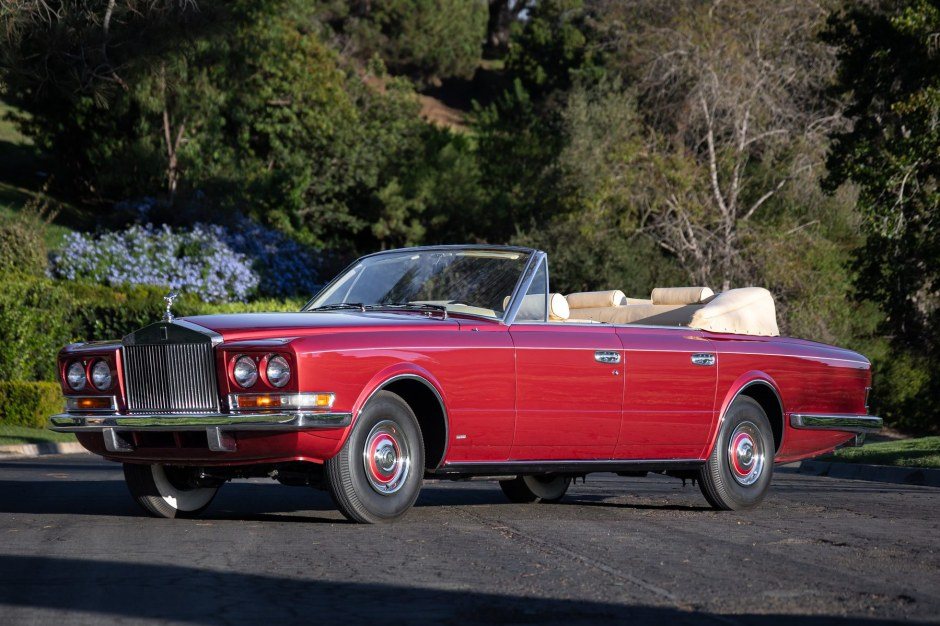
Frua-Bodied 1971 Rolls-Royce Phantom VI Heads to Auction After Pebble Beach Outing
Economy 40
US Petrol Prices Set Record for Longest Stretch Above $4 a Gallon
News 151
US Safety Agency Investigates 535,000 GMC Sierra Trucks Over Grille Deflector Fau…
Politics 113
Trump Appoints Barbera Thornhill to Lead US Anti-Trafficking Office
Sports 273
Bernie Plourd, 73, Becomes Oldest NHRA Top Fuel Licence Holder
Technology 297
Porsche Mission S Concept Previews New Flagship Supercar Above 911
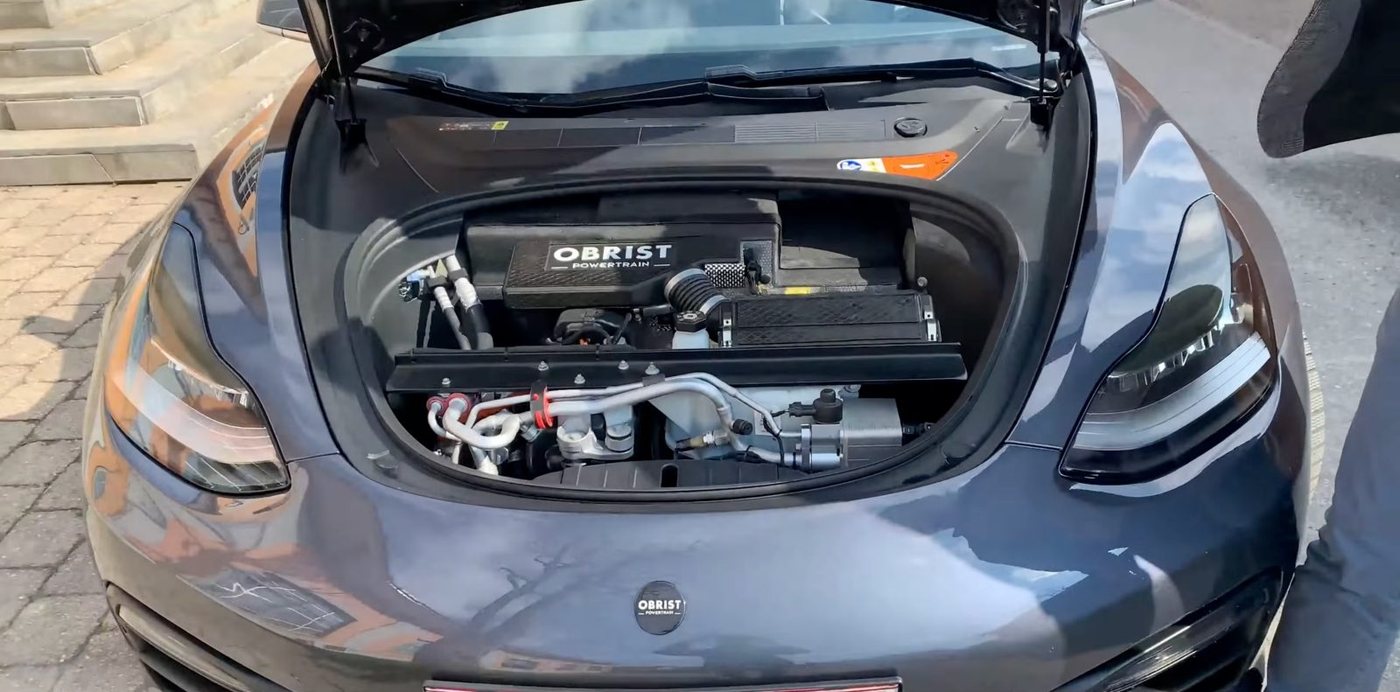
Three companies in Austria's Obrist Group are insolvent with combined debts of about €31.8 million after more than a decade of pitching a gas-engine range extender for electric vehicles that never reached production.
By Charlotte Redford · 5 min read
Three companies within the Austrian engineering group Obrist have filed for insolvency with combined debts of approximately €31.8 million, equivalent to roughly $37 million, after more than a decade spent developing a petrol-powered range extender that never reached series production.
The group became widely known for a demonstration vehicle that removed the battery cells from a Tesla Model 3 and installed a compact gas engine in the front luggage compartment, or frunk. The conversion was presented as proof that a small combustion unit could extend the range of an electric car without the weight and cost of a large battery pack.
At the centre of the effort was the HyperHybrid system, a range extender concept that Obrist pitched for years as a more practical and more affordable alternative to pure battery-electric vehicles. The company argued that a small internal combustion engine running at constant speed could generate electricity on board, allowing drivers to cover long distances while using a much smaller battery than conventional electric cars require.
Despite the length of the development programme, the technology never made the transition from prototype and demonstration stage to a production vehicle. No manufacturer brought a HyperHybrid-equipped model to market, and the group was unable to convert its engineering work into commercial revenue at the scale needed to sustain the business.
The insolvency affects three separate companies inside the Obrist Group rather than a single legal entity. The combined liabilities of about €31.8 million reflect the accumulated cost of research, engineering staff, testing and the broader effort to persuade carmakers to adopt the system.
Obrist's approach ran against the direction taken by most of the automotive industry over the same period. While the company promoted range extenders as a bridge between combustion and electrification, mainstream manufacturers concentrated investment on larger battery packs, falling cell prices and expanding charging networks. Several early electric models did use small petrol engines as generators, but the concept was largely abandoned in passenger cars as battery technology improved.
The failure is a notable example of the difficulty facing engineering firms that try to sell component-level innovation to an industry with long development cycles and heavy capital requirements. Even when a concept attracts attention through high-profile demonstrations, carmakers must be convinced to commit to tooling, integration and regulatory approval before any supplier can earn meaningful revenue.
Obrist's Tesla conversion drew coverage because it inverted the usual logic of electric vehicle modification. Instead of adding battery capacity, the company removed cells and added a combustion engine, presenting the result as a lighter and cheaper way to achieve long-distance travel. The vehicle served as a marketing device for the HyperHybrid idea, but it did not lead to a production contract.
The insolvency proceedings will now determine how the group's assets and intellectual property are handled and how creditors are treated. The three companies face the task of realising whatever value remains in the engineering portfolio while addressing debts that exceed the resources available to the business.
For the wider automotive supply chain, the case underlines the risks attached to niche powertrain concepts at a time when investment is concentrated on battery-electric platforms and software. Suppliers with promising but unproven technologies can spend years in development without securing the volume commitments that make manufacturing viable.
Obrist spent over a decade promoting the HyperHybrid range extender as the smarter alternative to battery-electric cars. It never got a single production vehicle out of it, and the group now enters insolvency with liabilities of about €31.8 million.
7