Business 213
Veronica Leoni Exits Calvin Klein as Creative Director
In this issue
Business 213
Veronica Leoni Exits Calvin Klein as Creative Director
Culture 256
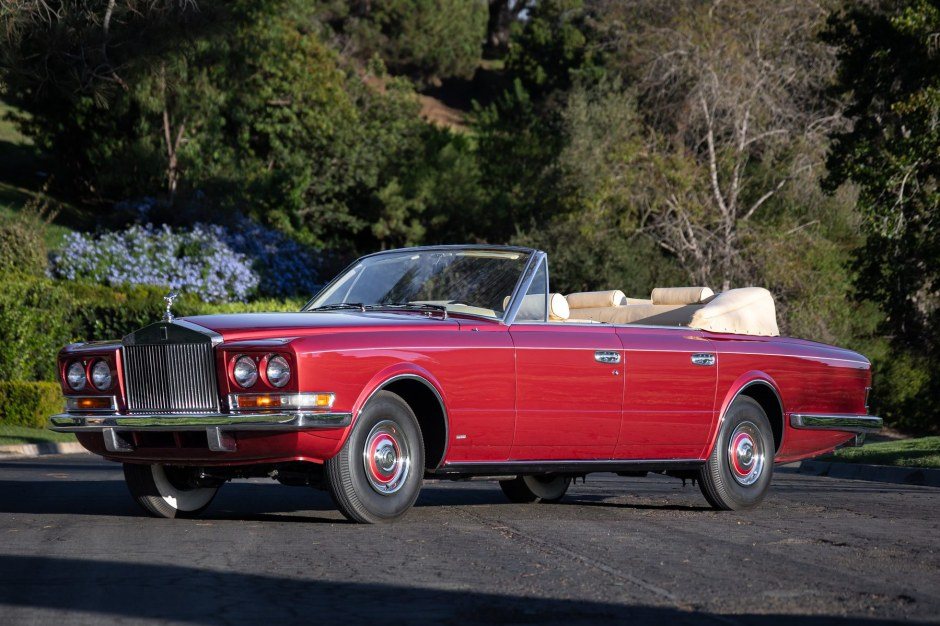
Frua-Bodied 1971 Rolls-Royce Phantom VI Heads to Auction After Pebble Beach Outing
Economy 40
US Petrol Prices Set Record for Longest Stretch Above $4 a Gallon
News 151
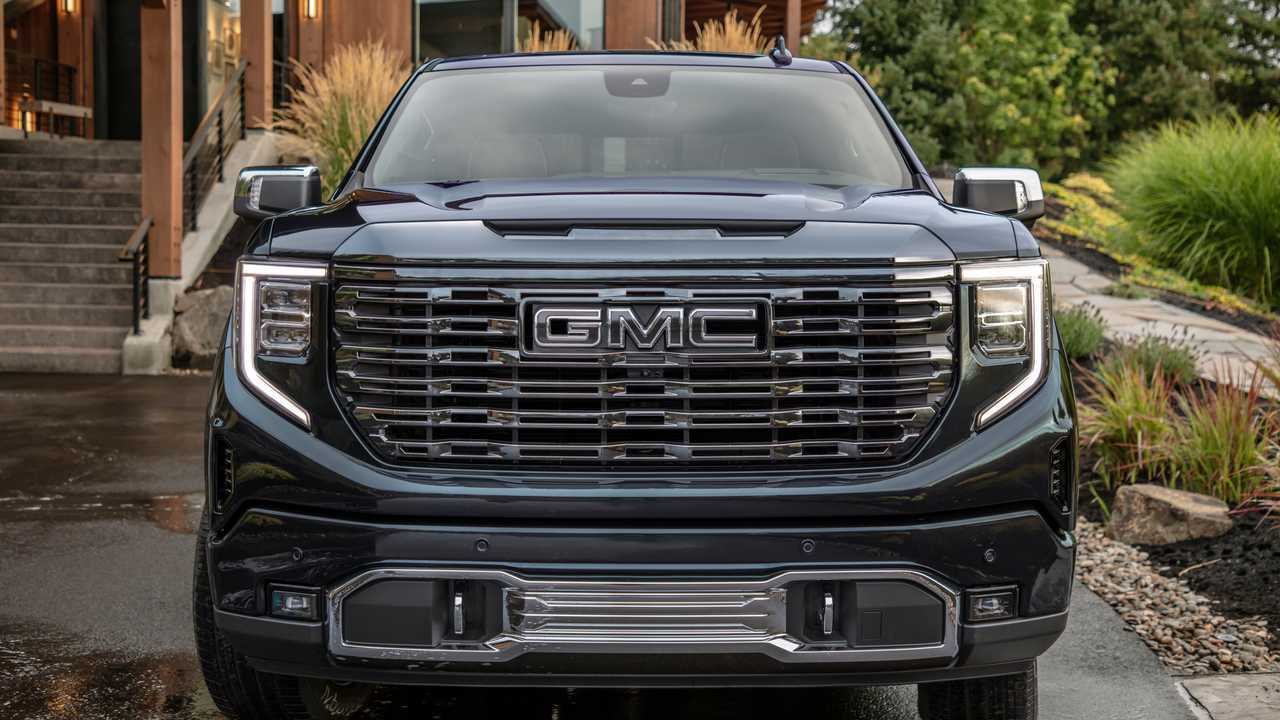
US Safety Agency Investigates 535,000 GMC Sierra Trucks Over Grille Deflector Fau…
Politics 113
Trump Appoints Barbera Thornhill to Lead US Anti-Trafficking Office
Sports 272
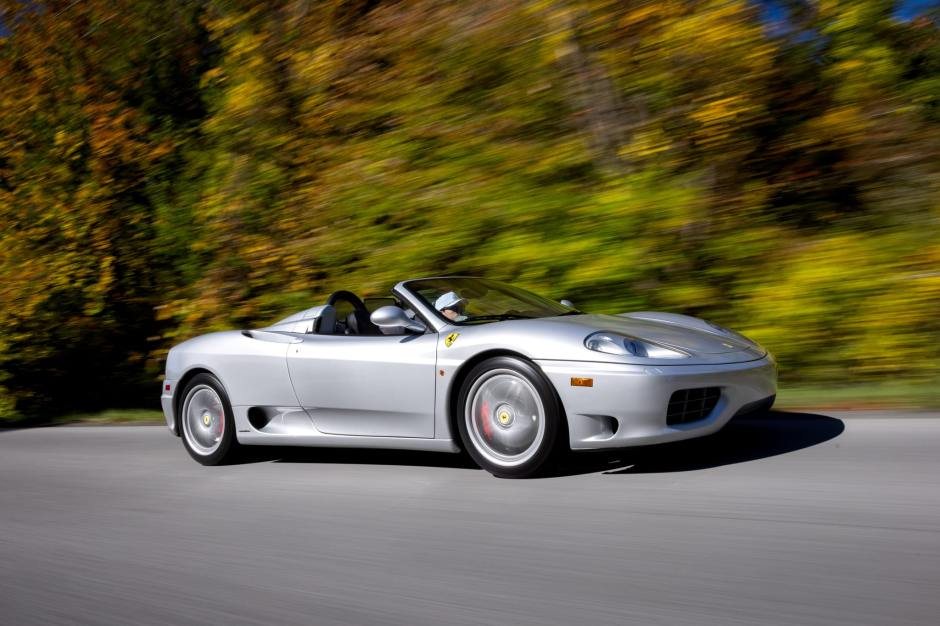
European-Market Ferrari 360 Spider with 17k Miles Offered at No Reserve
Technology 294
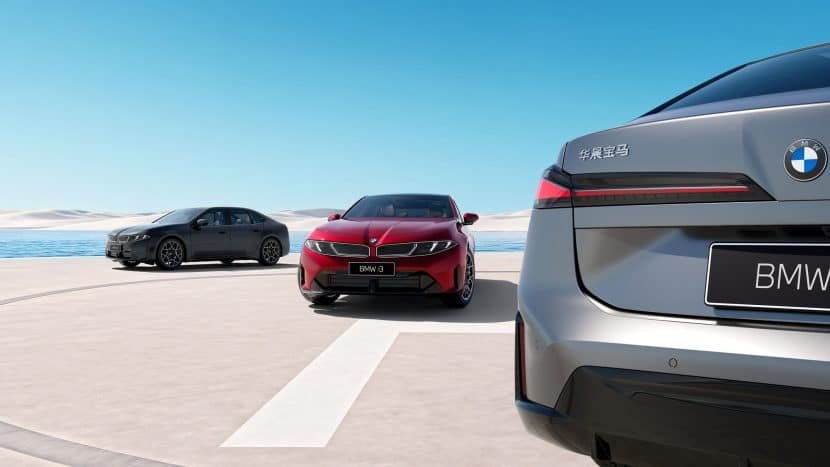
BMW i3 Sedan Covers 1,213 Kilometres on a Single Charge
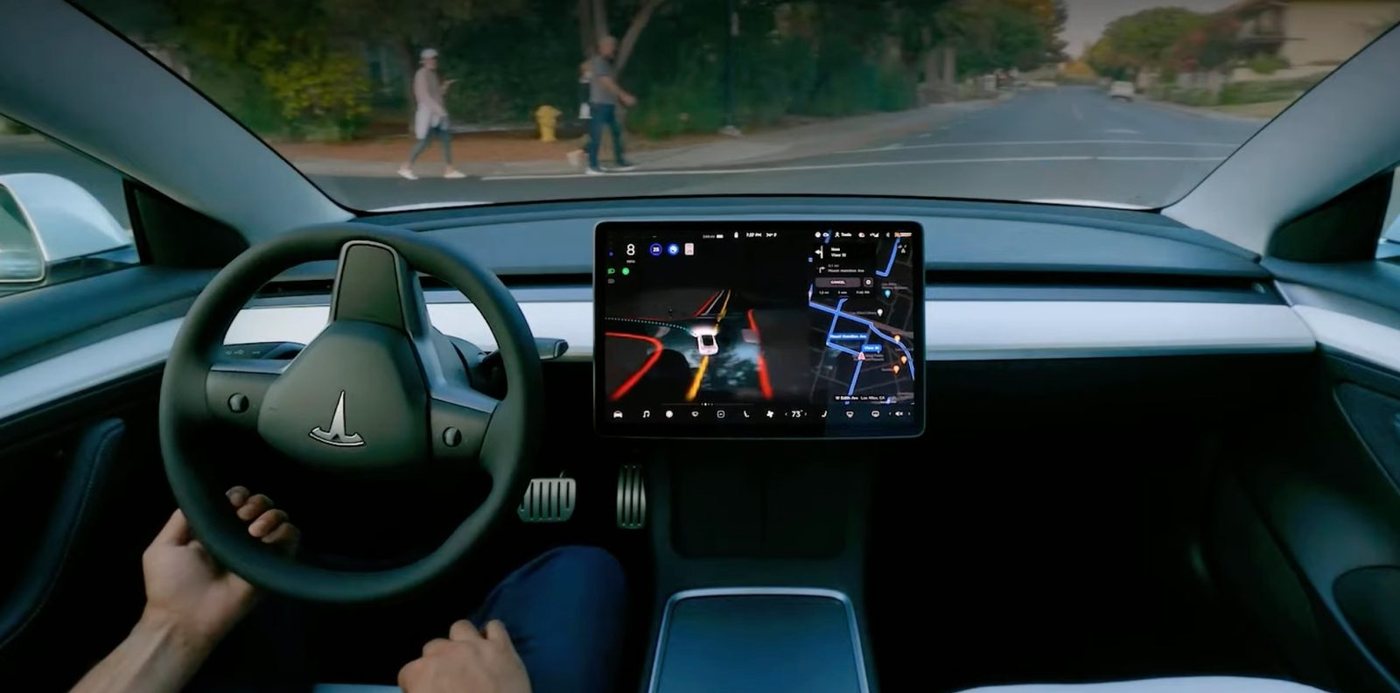
Federal crash reports show that every remote takeover of a Tesla Robotaxi recorded in the data has ended in a collision, raising fresh questions about the company's teleoperation model.
By George Kensington · 4 min read
Tesla's latest crash reports to federal regulators have added two more incidents in which a remote operator, rather than the vehicle's autonomous system, was at the controls when a Robotaxi struck something. The additions bring the total number of such cases in the data to five, and every remote takeover documented in a Tesla crash report so far has ended in a collision.
The pattern is significant because Tesla has positioned its Robotaxi programme as a fully autonomous service, with remote assistance presented as a rare fallback rather than a routine part of operations. The federal filings suggest the opposite: when a human operator intervenes remotely, the outcome has consistently been contact with another object or vehicle.
Details of the individual incidents remain limited in the public record. What the reports establish is that in each of the five cases, the remote operator was driving at the moment of impact, meaning the collision cannot be attributed to the autonomous driving stack alone. That distinction matters for regulators assessing how Tesla's system performs when it hands control to a person outside the vehicle.
Remote operation of autonomous vehicles is a sensitive area for the industry. Teleoperation is typically intended to help a vehicle navigate an unusual situation — a blocked road, an unmapped construction zone, or an obstacle the onboard software cannot interpret. In practice, remote operators often work with limited sensor feeds and a delay between their commands and the vehicle's response, conditions that can make precise control difficult.
Tesla has not disclosed how many remote operators it employs, how frequently they intervene, or what training and oversight they receive. The crash data now on file with federal regulators provides one of the few public windows into how those interventions unfold, and the record so far shows a consistent result.
The disclosures come as Tesla continues to expand its Robotaxi operations and faces broader scrutiny over the safety claims attached to its driver-assistance and autonomous driving products. Each crash report submitted to regulators becomes part of the evidence base used to evaluate whether the technology is ready for wider deployment.
For Tesla, the immediate question is whether the five collisions represent a small sample of an otherwise sound system or a structural weakness in how remote assistance is designed and managed. The company has not offered a public explanation for why every recorded remote takeover has ended in a crash.
Regulators are likely to examine the reports closely, particularly the division of responsibility between the autonomous system and the remote operator at the moment of impact. That question — who is actually driving — sits at the centre of how autonomous vehicle safety is measured and how liability is assigned when something goes wrong.
The filings add to a growing body of federal crash data on Tesla's autonomous and semi-autonomous operations. While the total number of incidents remains modest relative to the size of Tesla's fleet, the fact that remote interventions have a perfect collision record in the published data is an uncomfortable statistic for a company whose Robotaxi pitch rests on the reliability of machine driving.
Tesla has yet to respond publicly to the latest additions. The reports themselves do not specify the severity of the collisions, the locations involved, or whether anyone was injured, leaving key questions unanswered as the data set continues to grow.
4