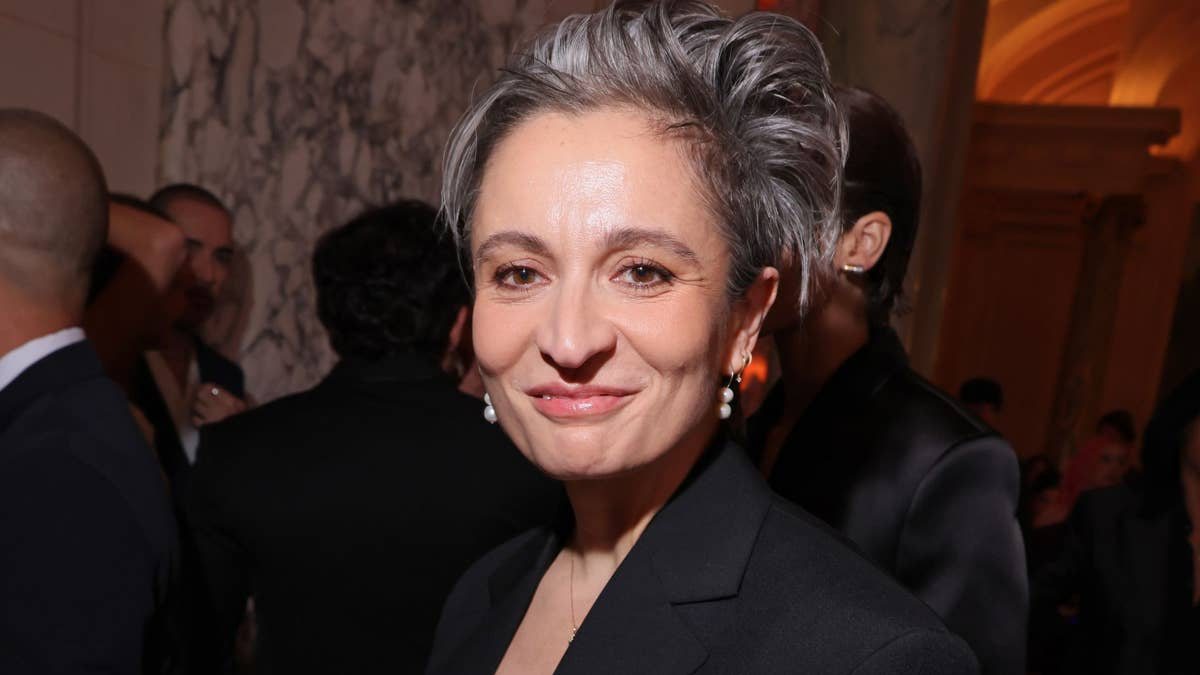
Business 213
Veronica Leoni Exits Calvin Klein as Creative Director
In this issue
Business 213
Veronica Leoni Exits Calvin Klein as Creative Director
Culture 256
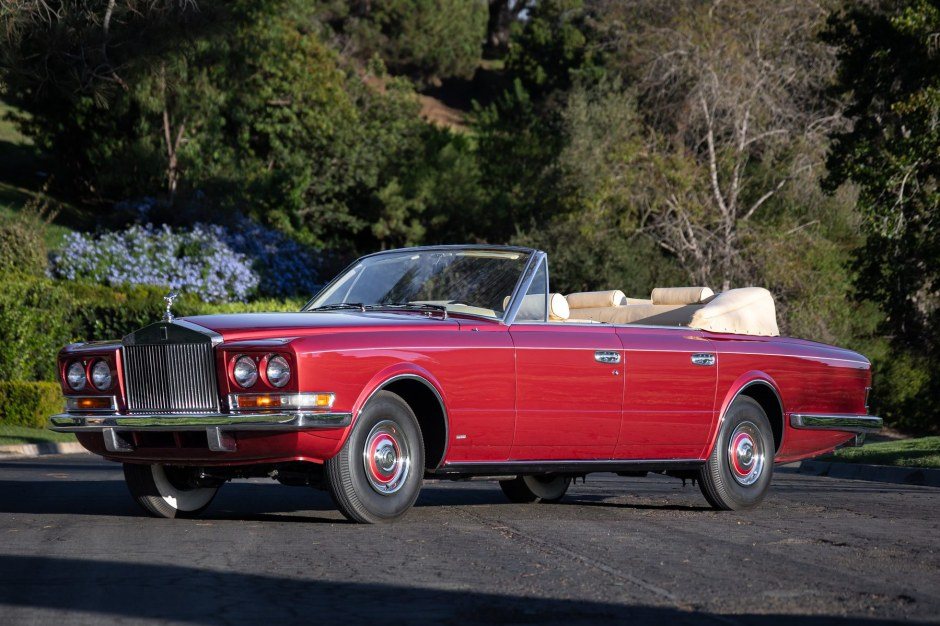
Frua-Bodied 1971 Rolls-Royce Phantom VI Heads to Auction After Pebble Beach Outing
Economy 40
US Petrol Prices Set Record for Longest Stretch Above $4 a Gallon
News 151
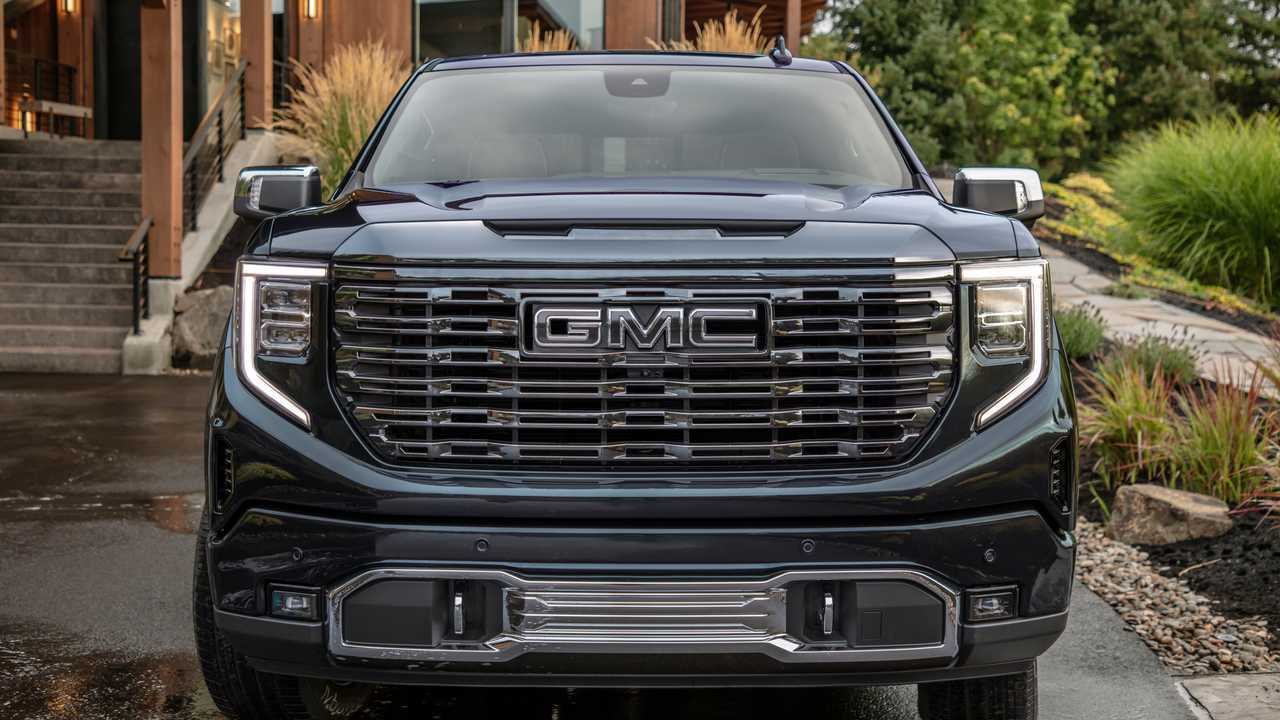
US Safety Agency Investigates 535,000 GMC Sierra Trucks Over Grille Deflector Fau…
Politics 113
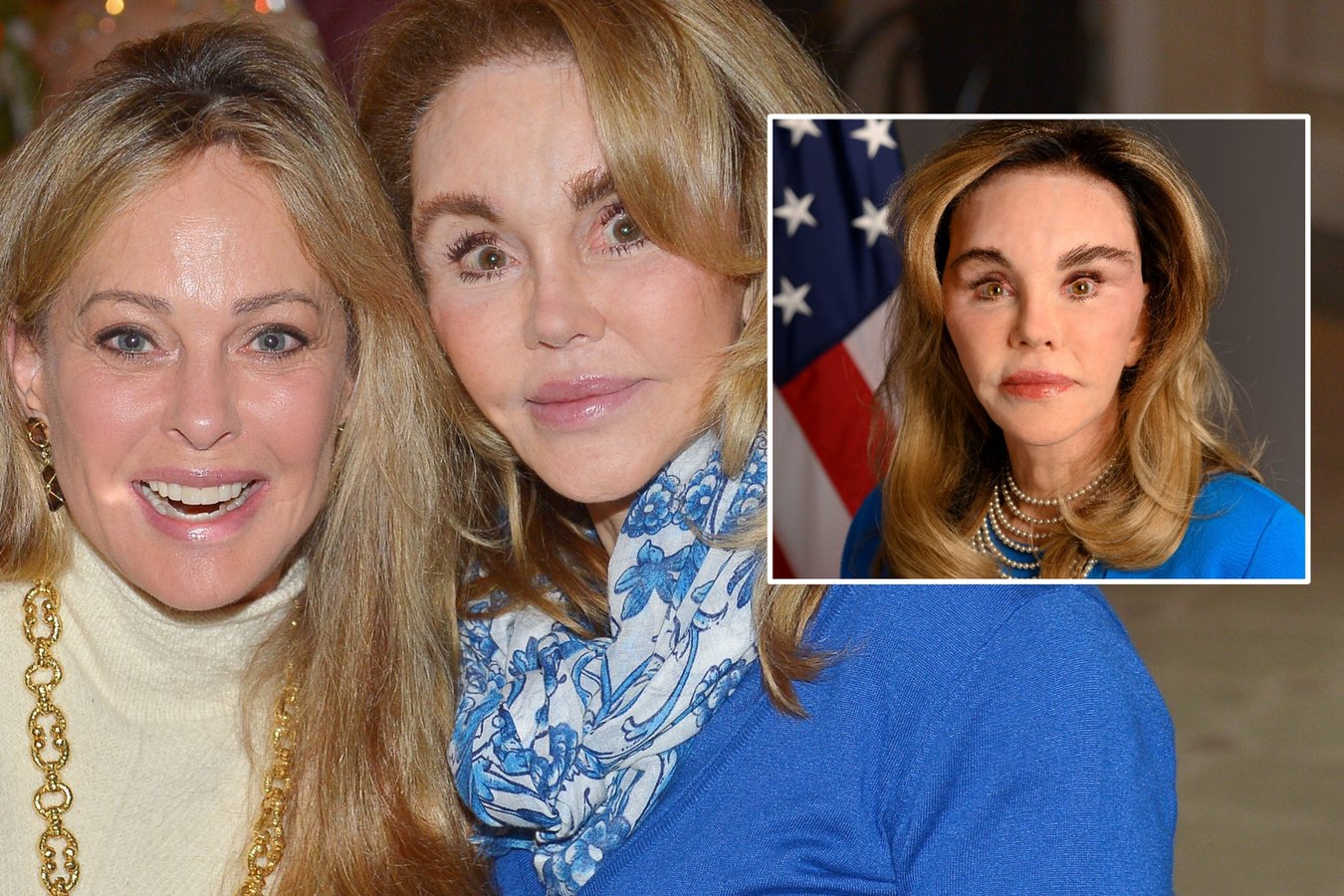
Trump Appoints Barbera Thornhill to Lead US Anti-Trafficking Office
Sports 273
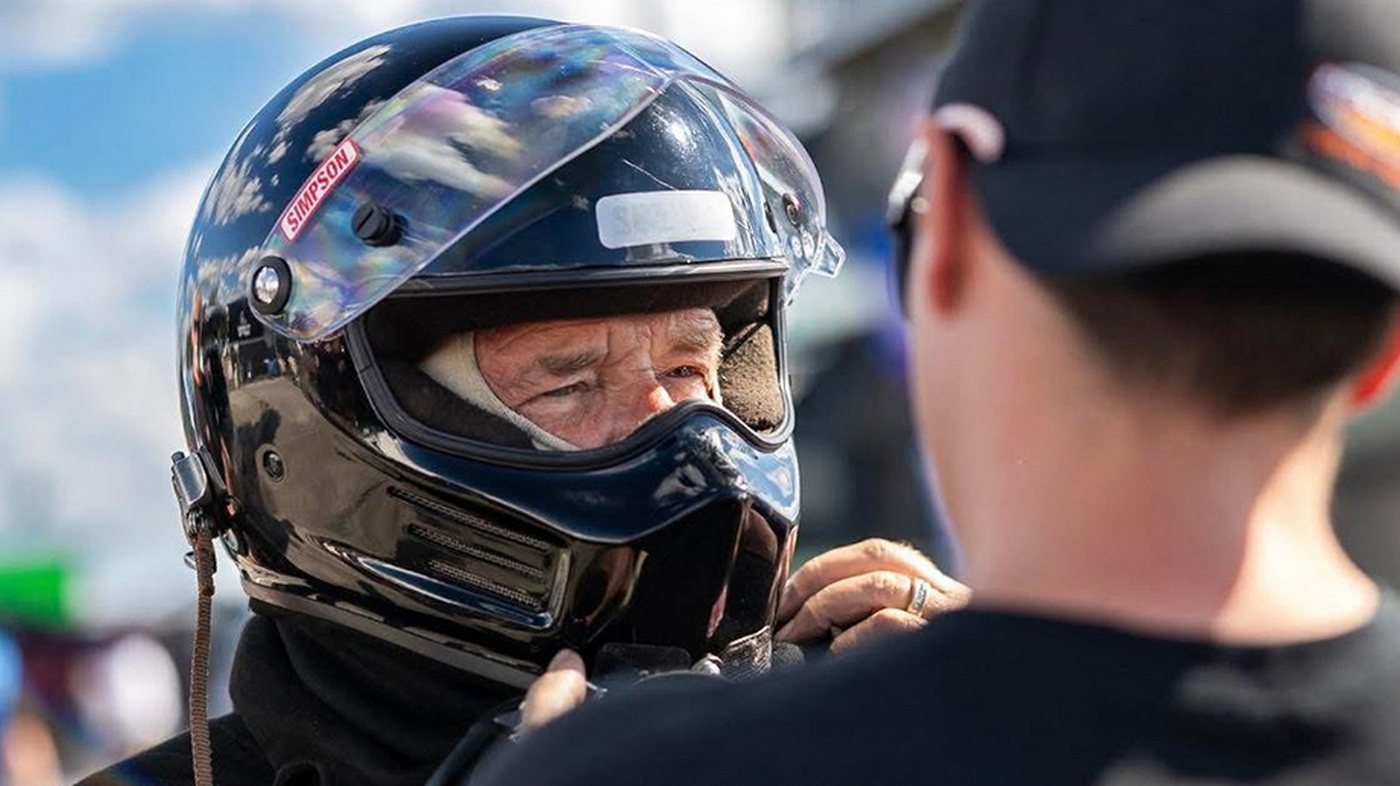
Bernie Plourd, 73, Becomes Oldest NHRA Top Fuel Licence Holder
Technology 295
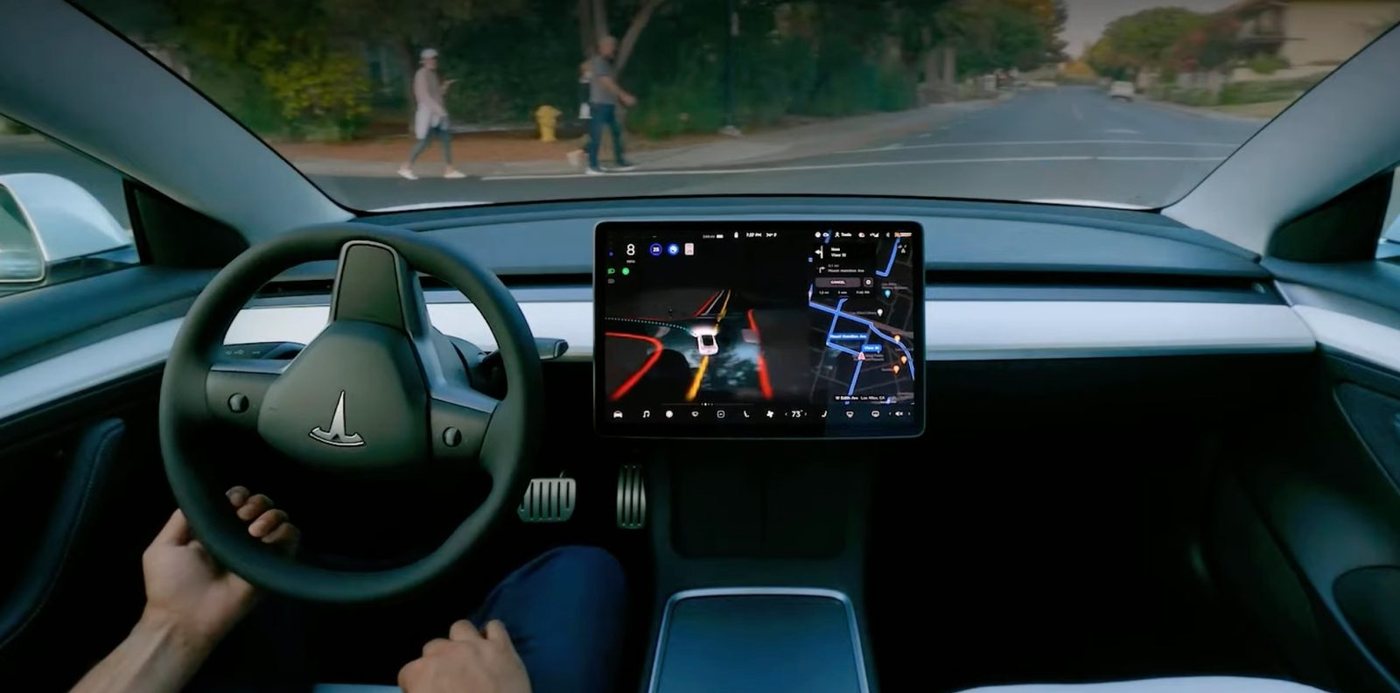
Tesla Remote Operators Linked to Five Robotaxi Crashes
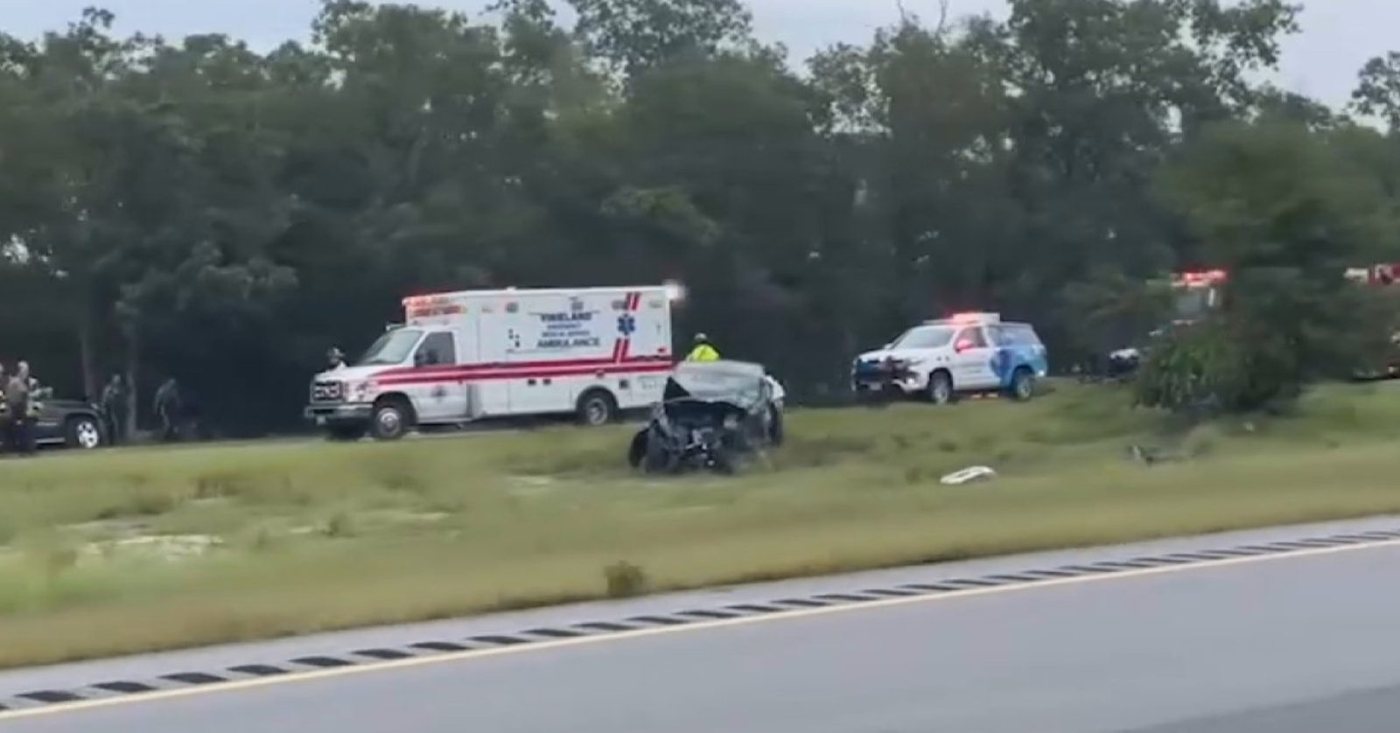
Tesla has told federal regulators that its driver-assist system was active when a car crossed a grass median on Route 55 in New Jersey, struck a tree and collided head-on with an SUV, killing 68-year-old Phillip Eastman.
By Edward Beaumont · 4 min read
Tesla has confirmed to federal regulators that its driver-assist system was engaged when one of its vehicles crossed a grass median on Route 55 in New Jersey, struck a tree, slid into oncoming traffic and hit an SUV head-on, killing the other driver.
The crash claimed the life of Phillip Eastman, 68, who was behind the wheel of the SUV. Police initially reported the incident as a driver who lost control of the Tesla. What officers did not say, and likely did not know at the time, is that Tesla's own report to the National Highway Traffic Safety Administration states that the car's driver-assist system was active during the sequence of events.
The disclosure forms part of an ongoing investigation that matches reported crashes to Tesla's redacted data submitted to NHTSA. The federal agency collects crash reports from manufacturers as part of its oversight of advanced driver-assistance systems, and Tesla is required to submit information when its technology is involved in certain incidents.
The New Jersey case illustrates a persistent gap between what happens at the scene of a crash and what is later established through manufacturer data. First responders and local police typically reconstruct an accident from physical evidence, witness accounts and road conditions. They do not have direct access to a vehicle's internal logs, which can record whether Autopilot or Full Self-Driving was active, for how long, and what warnings may have been issued to the driver.
Tesla's driver-assist features, marketed as Autopilot and Full Self-Driving, are classified as Level 2 systems under industry standards. That means they can control steering, acceleration and braking in certain conditions, but the human driver remains responsible for the vehicle at all times and must be ready to take over. The naming of the features has attracted scrutiny from regulators and safety advocates, who argue it can create a misleading impression of the system's capabilities.
The crash on Route 55 adds to a growing body of cases in which driver-assist technology is alleged to have played a role in serious or fatal collisions. Federal investigators have opened numerous inquiries into Tesla's systems over the years, examining how they perform in real-world conditions and how drivers interact with them.
For the family of Phillip Eastman, the confirmation that the system was engaged raises questions that go beyond the immediate circumstances of the crash. It places the incident within a broader debate about how much the public is told when automated features are involved in a death on the road, and whether the data held by manufacturers reaches investigators quickly enough to inform the official account.
Tesla has not commented publicly on the specifics of the New Jersey crash. The company has consistently maintained that its driver-assist systems improve safety when used correctly and that drivers are repeatedly instructed to remain attentive and keep their hands on the wheel.
The investigation into the Route 55 collision continues, and the federal data that confirmed the system's engagement is likely to become a central element in any subsequent review of the incident. For now, the case stands as another example of how the line between human error and machine involvement can remain unclear until the vehicle's own records are examined.
5