
Business 373
Ein 2009 Audi Q7 mit 27.000 Meilen wird zum Verkauf angeboten
In this issue
Business 373
Ein 2009 Audi Q7 mit 27.000 Meilen wird zum Verkauf angeboten
Culture 400
1984 Ferrari 400i with 7,400 miles offered at auction
Economy 53
Oil prices fall on hopes of easing Iran conflict
News 170
Seller Offers 2004 Porsche 911 Turbo Cabriolet With 23,000 Miles at Auction
Politics 125
Musk’s reported $474 million political ad spend contrasted with alternative car p…
Sports 305
Gill Bowls First as Rain Cuts Hamilton ODI to 40 Overs
Technology 366
Fourteen MEPs Ask EU to Probe Security Risks of BYD Cars
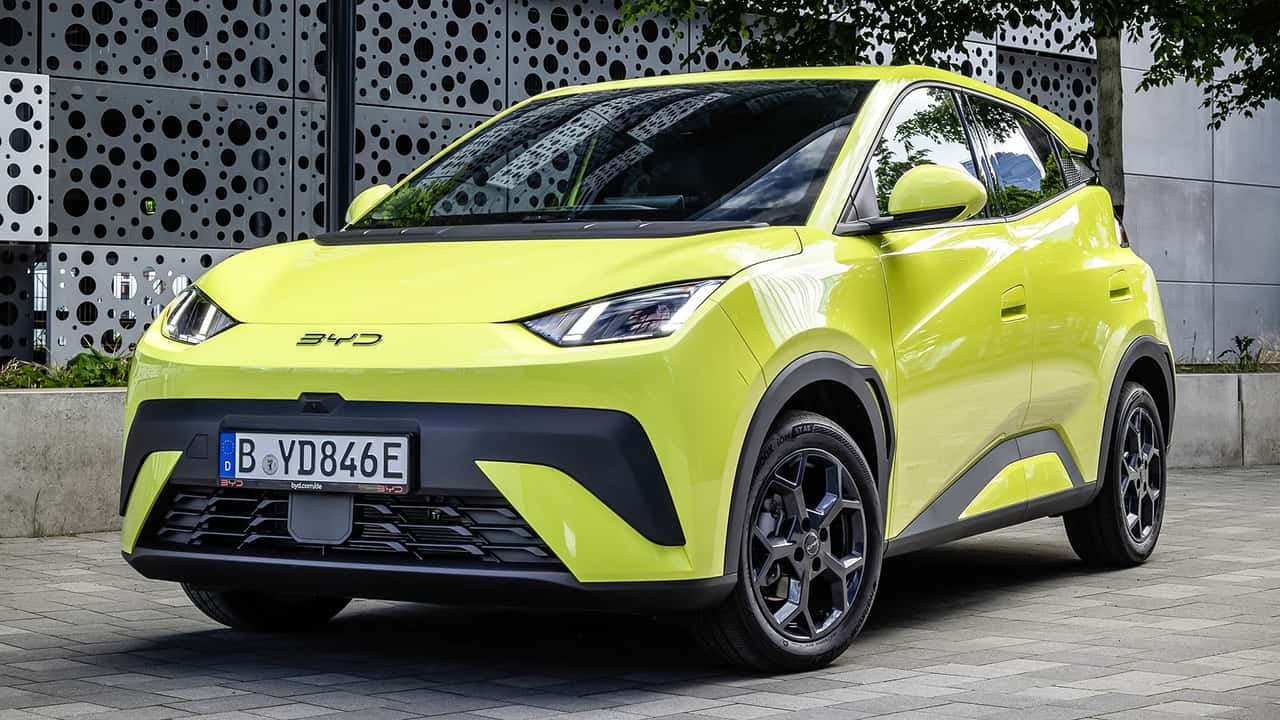
European officials are calling for a review of the Chinese carmaker BYD over data collected by its connected vehicles. The company has publicly responded to the accusations.
By George Kensington · 3 min read
European officials are seeking an investigation into the Chinese carmaker BYD. The reason is concern that data collected by the company's connected vehicles could be used for espionage. The company has already publicly responded to these accusations.
The main focus of concern is the information collected by modern connected cars. This refers to data generated during the operation of the vehicle: its movements, the performance of its systems, and the behavior of the driver. It is these data sets that raise questions among European authorities, who are considering stricter oversight of Chinese manufacturers that are actively expanding their presence in the European market.
BYD is a Chinese automotive company, and its activities in Europe are currently under heightened attention. For a manufacturer seeking to strengthen its position in one of the world's largest automotive markets, such accusations carry significant weight. They affect the trust of consumers and regulators in the digital technologies built into cars and raise the question of where and how the collected information is stored.
The materials do not specify which European regulators demanded the review or within what timeframe it might be carried out. Nor is it reported that a formal investigation has already been opened. The evidence underlying the espionage concerns has also not been disclosed, so it is currently impossible to assess how specific these accusations are.
BYD has publicly responded to the accusations, but the details of its position are not described in the available information. It is only known that the company addressed the substance of the claims, but its arguments and possible data protection mechanisms are not presented. Without these details, the picture remains incomplete.
The further development of events will depend on whether the statements of European officials turn into a formal review procedure. If such a procedure begins, it will determine how the risks associated with connected vehicles are assessed and what requirements may be imposed on all manufacturers operating in the European market, not just on one company.
Source: motor1.com
2