Business 194
Audi RS5 Orders Nearly Double Expectations as 2026 Allocation Sells Out
In this issue
Business 194
Audi RS5 Orders Nearly Double Expectations as 2026 Allocation Sells Out
Culture 214
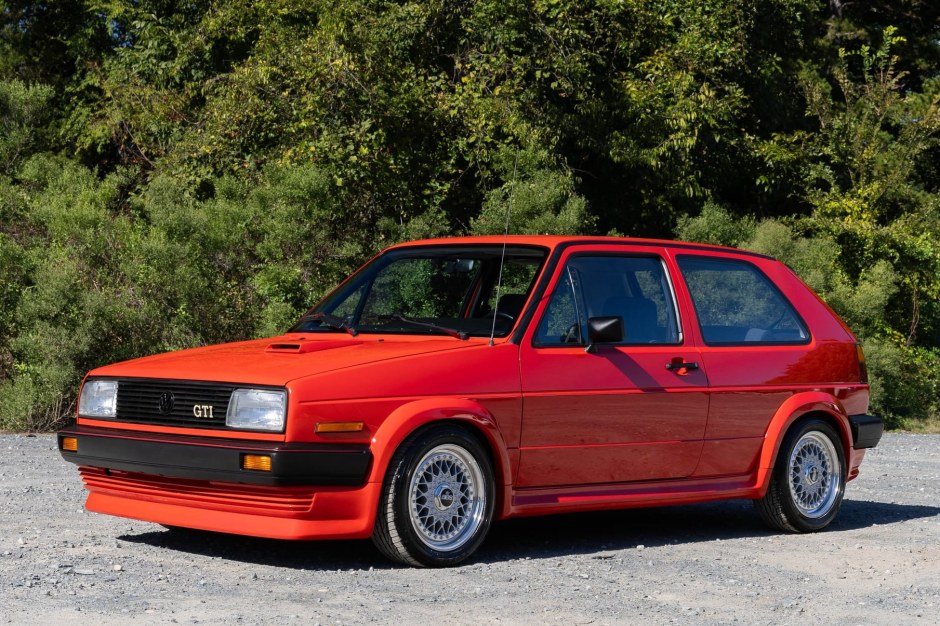
Callaway Turbocharged 1985 Volkswagen GTI with BBS Body Kit Listed at No Reserve
Economy 37
Russia's EV Share Overtakes US as Fuel Shortages Bite
News 148
California Grants Three-Day Return Right on Used Cars
Politics 110
Trump Urges Republicans to Vote by Mail After Years of Criticising the Practice
Sports 262
West Ham United to Host Queens Park Rangers in October 2026 Championship Fixture
Technology 245
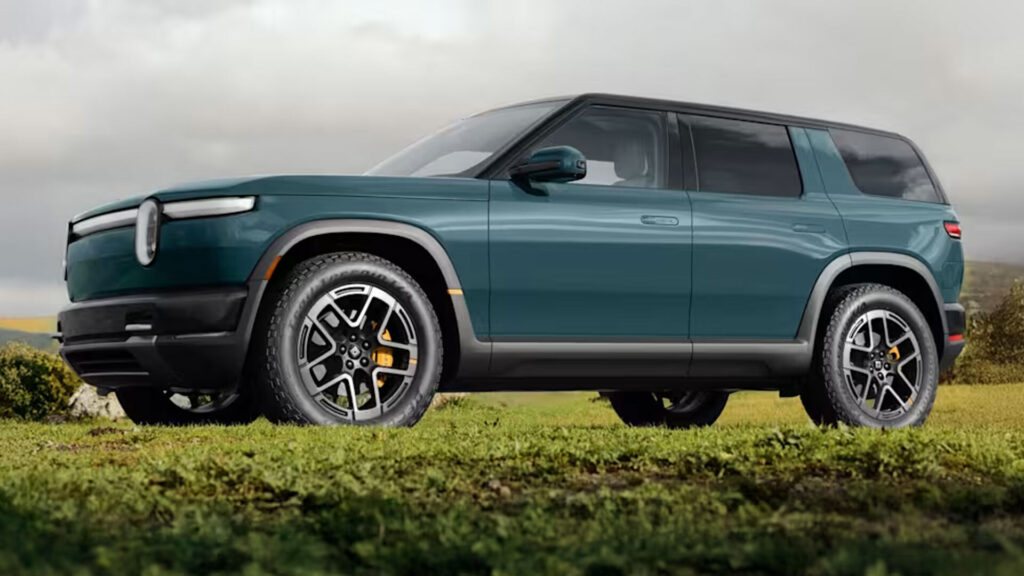
Rivian Recalls 14 R2 Electric SUVs Over Battery Fastener Defect
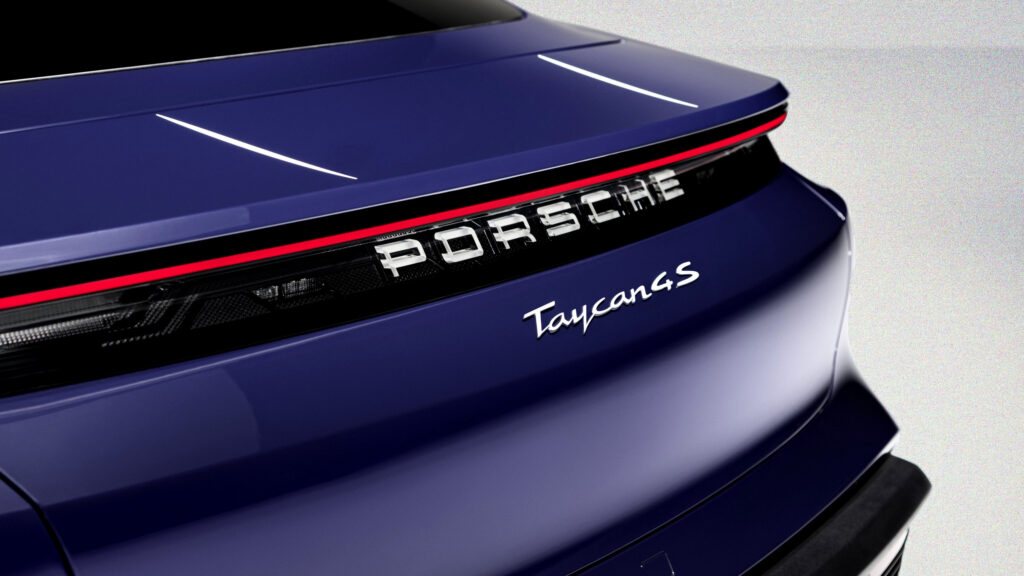
Porsche has denied reports that it plans to axe the Taycan by 2030, saying it has no plans to discontinue the electric sedan in the short term, though it will continue to streamline the model range.
By Edward Beaumont · 3 min read
Porsche has denied reports that it plans to discontinue the Taycan electric sedan by 2030, insisting the model remains part of its line-up for the foreseeable future. The German automaker responded after a German publication reported that executives had agreed to gradually retire the model, with some even considering an immediate removal from the range.
In a statement, Porsche acknowledged that streamlining its model range does not necessarily mean discontinuing entire model lines. A spokesperson said the company has no plans to end Taycan production in the short term, adding that Porsche has invested significantly in the model and will continue to monitor how demand develops.
The denial comes as Taycan sales have fallen sharply from a peak of 40,629 units in 2023 to just 16,339 in 2025. The decline has raised questions about the viability of the model, which was once seen as a flagship for Porsche's electric vehicle ambitions. The company has already reduced the number of Taycan variants to lower complexity, and it remains unclear whether a second generation will ever be developed.
Porsche's cautious wording about the long-term future of the Taycan has been noted by industry observers. The company has previously walked back decisions to make future models exclusively electric, including the upcoming K1 flagship SUV and the 718 Cayman and Boxster, both of which will now also be offered with combustion engines. This shift reflects a broader reassessment of EV demand across the industry.
Rather than developing an all-new second-generation Taycan, analysts suggest it could make more financial sense for Porsche to offer an all-electric version of the Panamera next decade. Sharing parts and a platform across different versions of the Panamera would speed up development times and allow the brand to adjust production schedules more easily depending on demand.
For now, Porsche is committed to the Taycan in the near term, but the company has stopped short of guaranteeing its long-term survival. The coming years will show whether the model can recover its sales momentum or whether Porsche will ultimately phase it out in favour of a more flexible approach to its electric line-up.
65