Business 194
Aston Martin Delays First EV Until 2033, Keeps V8 and V12 Alive
In this issue
Business 194
Aston Martin Delays First EV Until 2033, Keeps V8 and V12 Alive
Culture 214
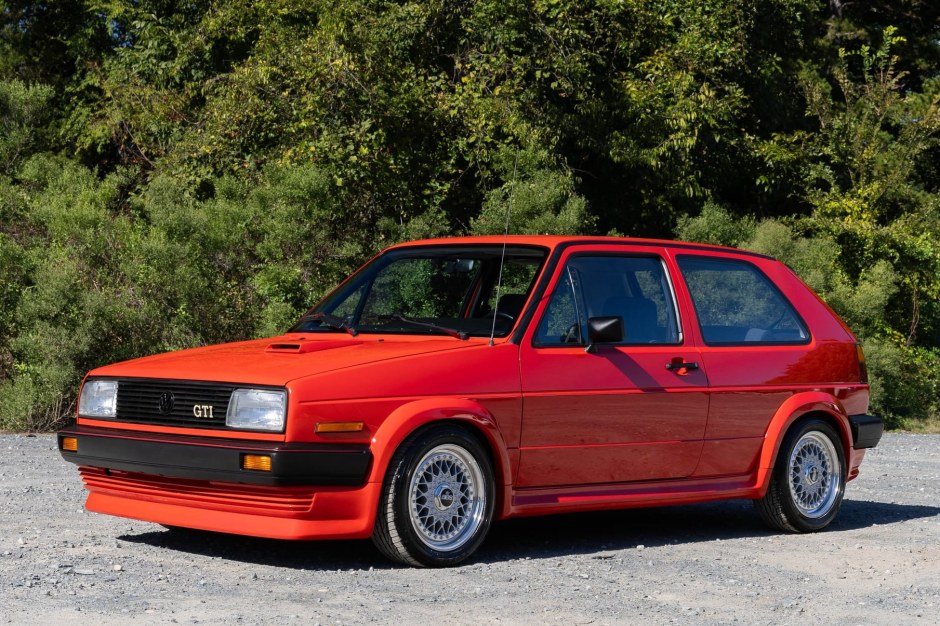
Callaway Turbocharged 1985 Volkswagen GTI with BBS Body Kit Listed at No Reserve
Economy 37
Russia's EV Share Overtakes US as Fuel Shortages Bite
News 148
California Grants Three-Day Return Right on Used Cars
Politics 110
Trump Urges Republicans to Vote by Mail After Years of Criticising the Practice
Sports 261
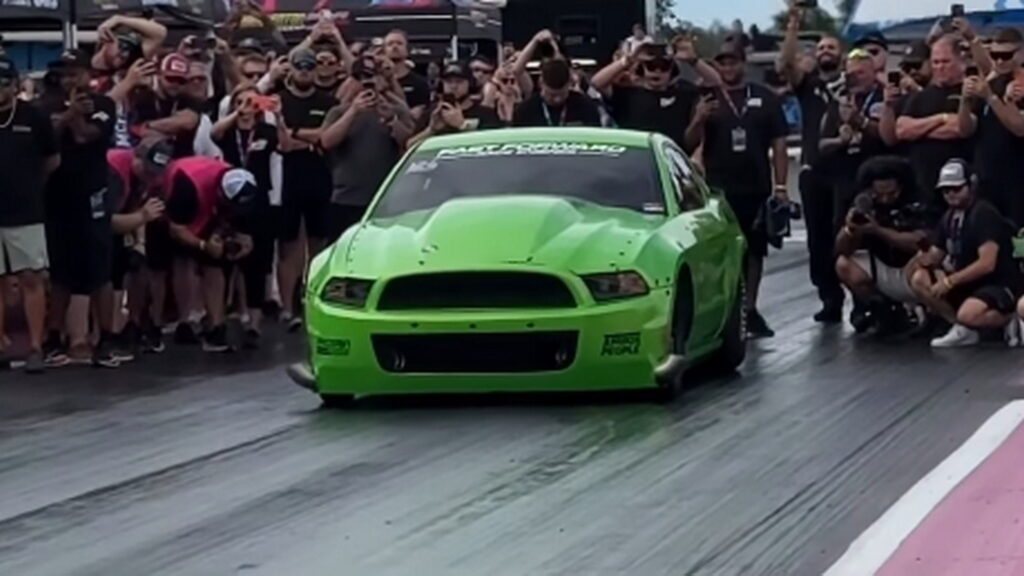
Mustang Sets Stick-Shift Record Then Crashes at 228 MPH
Technology 243
BMW iX4 Debuts as Most Powerful X4 Ever
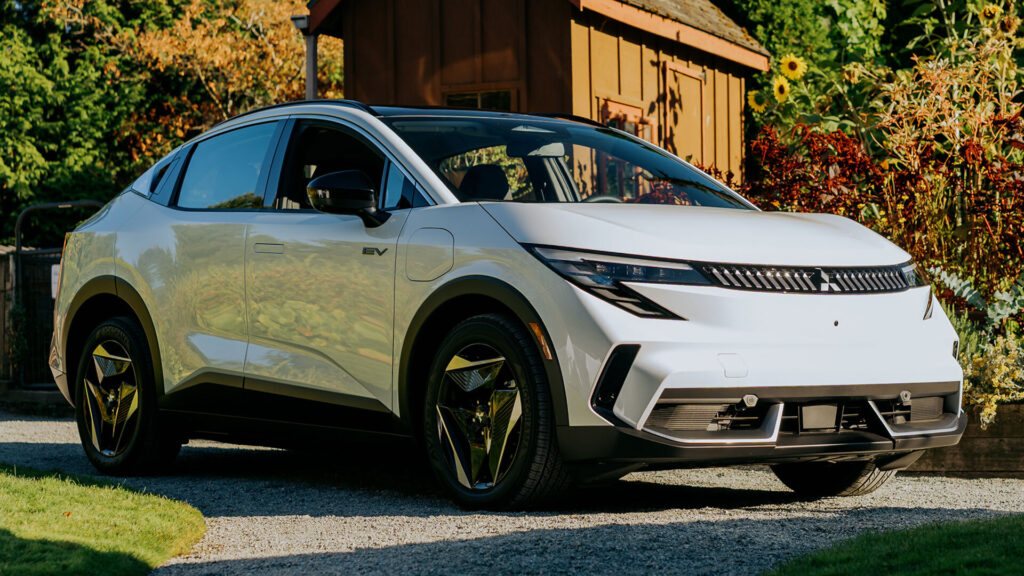
Mitsubishi has confirmed that its new Eclipse Sportback electric vehicle will start at $37,745 before a $1,995 destination fee, positioning the badge-engineered Nissan Leaf sibling as a more generously equipped but significantly pricier alternative in the compact EV segment.
By George Kensington · 4 min read
Mitsubishi has announced that its new Eclipse Sportback electric vehicle will carry a starting price of $37,745 before a $1,995 destination fee, a figure that places the compact EV well above the Nissan Leaf on which it is based. The Leaf starts at $29,990 with a delivery charge of $1,575, making the Eclipse Sportback $7,755 more expensive before options are considered.
The Japanese manufacturer introduced the 2027 Eclipse Sportback earlier this summer and has now confirmed that the model will arrive later this month in a single, exceptionally well-equipped trim. While the price premium is substantial, Mitsubishi argues that the Eclipse Sportback compensates with a more comprehensive standard specification than its Nissan sibling.
Under the skin, the Eclipse Sportback shares its mechanical package with the Leaf. A 75 kWh battery pack feeds an electric motor producing 214 hp and 261 lb-ft of torque, enough for a claimed range of 282 miles on a single charge. That is slightly less than the Leaf's maximum of 303 miles, a difference likely attributable to the Mitsubishi's revised bodywork and larger wheels.
Charging capability carries over from the Leaf, including a dual-port setup that provides Level 1 and Level 2 charging through a CCS connector, while DC fast charging is handled via a Tesla-style NACS port on the front passenger side. The arrangement allows access to Tesla Superchargers at rates of up to 150 kW, enabling a 10% to 80% top-up in around 35 minutes.
Visually, the Eclipse Sportback distinguishes itself from the Leaf with lightly revised bumpers, a unique grille, LED lighting units, flush-mounted door handles and exclusive 18-inch wheels. The interior, however, is carried over almost untouched apart from obvious logo changes. Standard equipment includes black synthetic leather seats with heating in both rows, a 14.3-inch digital instrument cluster, a 14.3-inch infotainment system and a six-speaker audio system.
Buyers will have just one option to choose from: a $2,600 Technology Package. It adds roof rails, a hands-free power liftgate and a 10-speaker Bose premium audio system. More notably, the package includes a panoramic glass roof with an electrochromic dimming function that transitions from transparent to opaque at the touch of a button, a feature rarely offered at this price point.
The pricing announcement highlights the challenge facing Mitsubishi as it seeks to differentiate a badge-engineered product in an increasingly crowded and price-sensitive electric vehicle market. With the Leaf offering similar core technology for thousands less, the Eclipse Sportback's appeal will rest heavily on its standard equipment list and the visual changes that separate it from its Nissan donor car.
Mitsubishi has not yet released detailed specifications for the Eclipse Sportback, and the model's arrival later this month will mark the first opportunity for buyers to assess whether the additional outlay is justified. The compact electric segment continues to expand, with manufacturers competing on range, charging speed and interior technology as much as on headline price.
5