Business 194
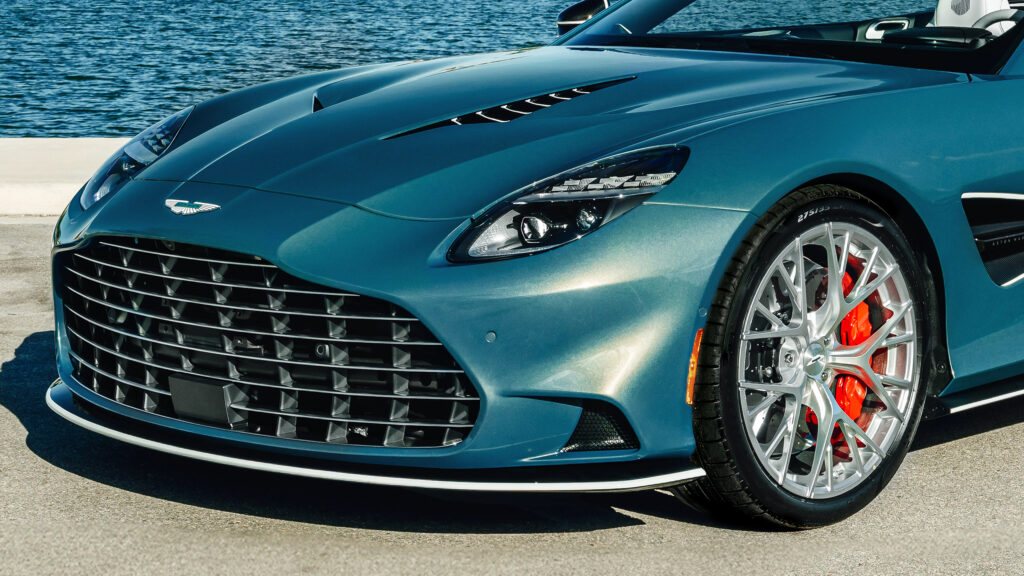
Aston Martin Delays First EV Until 2033, Keeps V8 and V12 Alive
In this issue
Business 194
Aston Martin Delays First EV Until 2033, Keeps V8 and V12 Alive
Culture 214
Callaway Turbocharged 1985 Volkswagen GTI with BBS Body Kit Listed at No Reserve
Economy 37
Russia's EV Share Overtakes US as Fuel Shortages Bite
News 148
California Grants Three-Day Return Right on Used Cars
Politics 110
Trump Urges Republicans to Vote by Mail After Years of Criticising the Practice
Sports 261
Mustang Sets Stick-Shift Record Then Crashes at 228 MPH
Technology 242
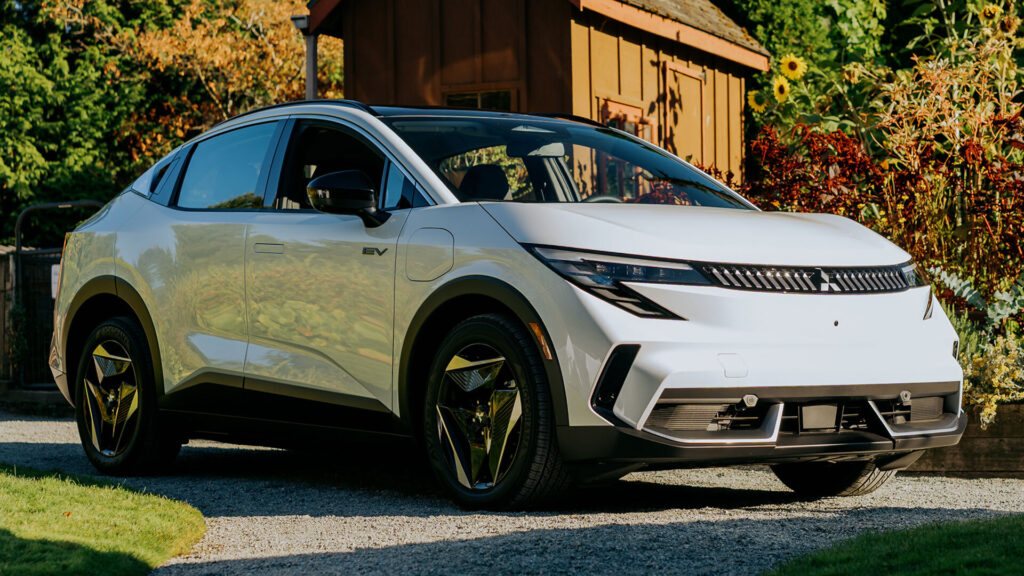
Mitsubishi Eclipse Sportback EV Priced From $37,745, Undercutting Nissan Leaf On …
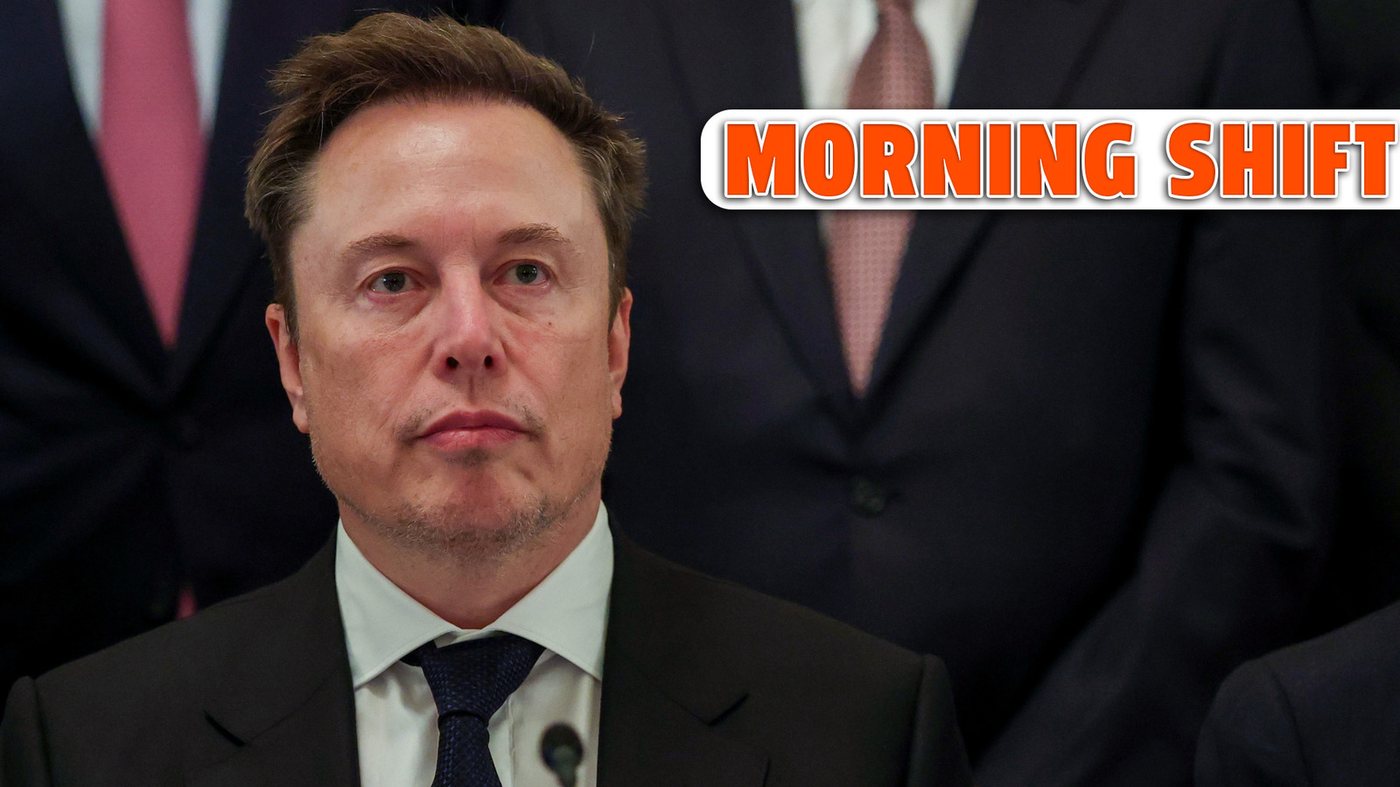
Tesla is leveraging social media pressure to push European regulators for Full Self-Driving approval, as the company faces scrutiny over its autonomous driving claims and regulatory hurdles in key markets.
By Eleanor Ellington · 5 min read
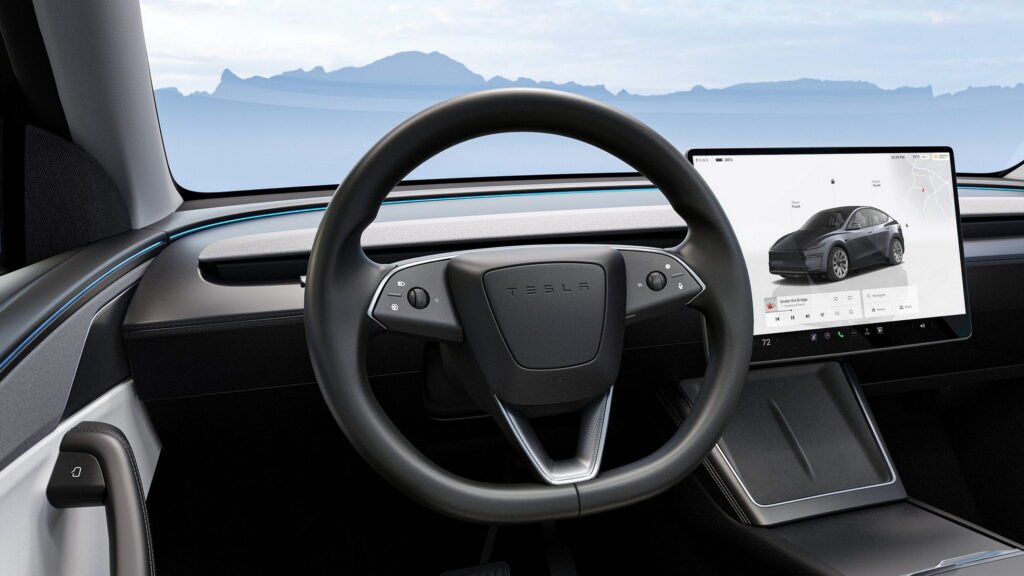
Tesla is turning to social media pressure in an effort to accelerate regulatory approval for its Full Self-Driving (FSD) technology in Europe, according to reports. The electric vehicle maker is encouraging its supporters to lobby regulators and governments across the continent, aiming to overcome the hurdles that have delayed the widespread rollout of its advanced driver-assistance system.
The push comes as Tesla seeks to expand the reach of FSD, which has already been deployed in a limited capacity in North America. European regulators have been more cautious, citing safety concerns and the need for rigorous testing before granting approval. Tesla's strategy appears designed to create public momentum that could sway decision-makers in Brussels and national capitals.
Full Self-Driving, despite its name, currently requires an attentive driver ready to take control at any moment. It offers features such as automatic lane changes, traffic light recognition, and self-parking, but it is not fully autonomous. Tesla has long promised that its vehicles will eventually achieve full autonomy, and the company views European approval as a critical step toward that goal.
The social media campaign is part of a broader effort by Tesla to influence policy through its large and vocal online community. The company's CEO, Elon Musk, has frequently used his platform on X, formerly Twitter, to criticise regulators and promote the company's technology. Supporters have been encouraged to share their positive experiences with FSD and to contact their elected representatives.
However, the approach has drawn criticism from some quarters. Safety advocates argue that public pressure should not replace rigorous regulatory review, especially for technology that could have life-or-death implications. They point out that FSD has been linked to several high-profile accidents in the United States, prompting investigations by the National Highway Traffic Safety Administration.
In Europe, the regulatory landscape is complex. The United Nations Economic Commission for Europe sets many of the standards for vehicle approval, and individual countries can also impose their own requirements. Tesla must navigate this patchwork to secure approval in each market. The company has already faced delays in countries like Germany and the Netherlands, where regulators have sought additional data and testing.
Tesla's efforts in Europe come amid a challenging period for the company. Sales have slowed in some regions, and competition from traditional automakers and new entrants is intensifying. The company recently reported a decline in quarterly deliveries, its first year-over-year drop in years. Approval of FSD could provide a significant boost to its value proposition, allowing it to charge more for the feature and attract customers interested in cutting-edge technology.
Meanwhile, other automotive news is making headlines. Porsche is reportedly planning to raise prices, a move that could affect its competitive positioning in the luxury market. Honda is reshuffling its US production plans, likely in response to shifting demand and supply chain considerations. And Nissan has experienced a particularly difficult sales year, with figures that underscore the challenges facing some established automakers.
For Tesla, the stakes are high. The company has invested heavily in FSD, and its valuation often reflects expectations of future autonomy. Securing European approval would not only open a large new market but also validate the technology on a global stage. Yet the path forward remains uncertain, with regulators unlikely to be swayed solely by social media campaigns.
The outcome will depend on Tesla's ability to demonstrate safety and reliability to European authorities. The company has said it is working closely with regulators and is confident in its technology. But until approval is granted, FSD remains unavailable to European customers, and Tesla's pressure campaign is likely to continue.
6