Business 244
Volvo EX60 Production Delays Hit Turnaround Plan as Q3 Losses Reach £280m
In this issue
Business 244
Volvo EX60 Production Delays Hit Turnaround Plan as Q3 Losses Reach £280m
Culture 279
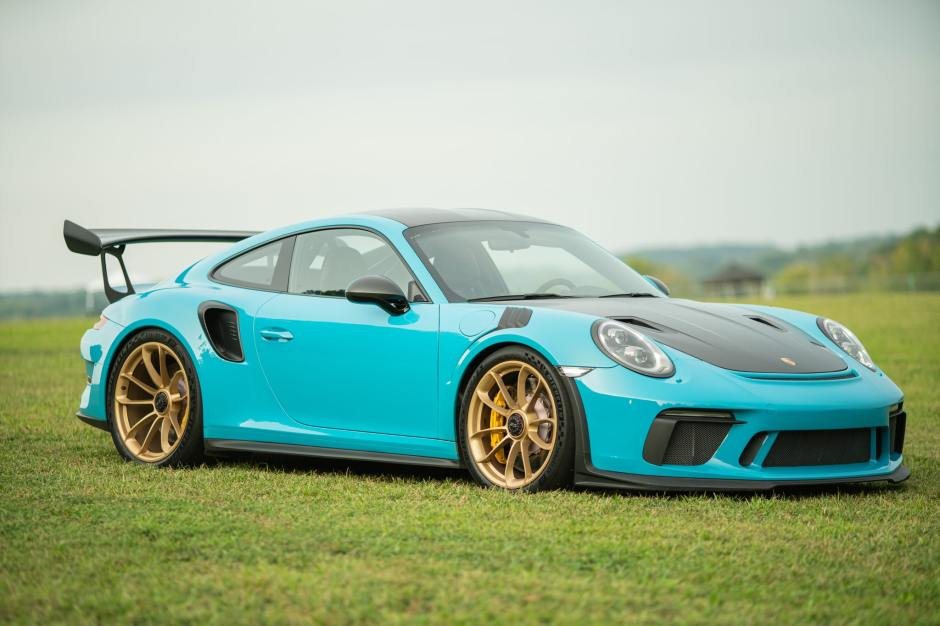
Miami Blue Porsche 911 GT3 RS with Weissach Package Heads to Auction
Economy 41
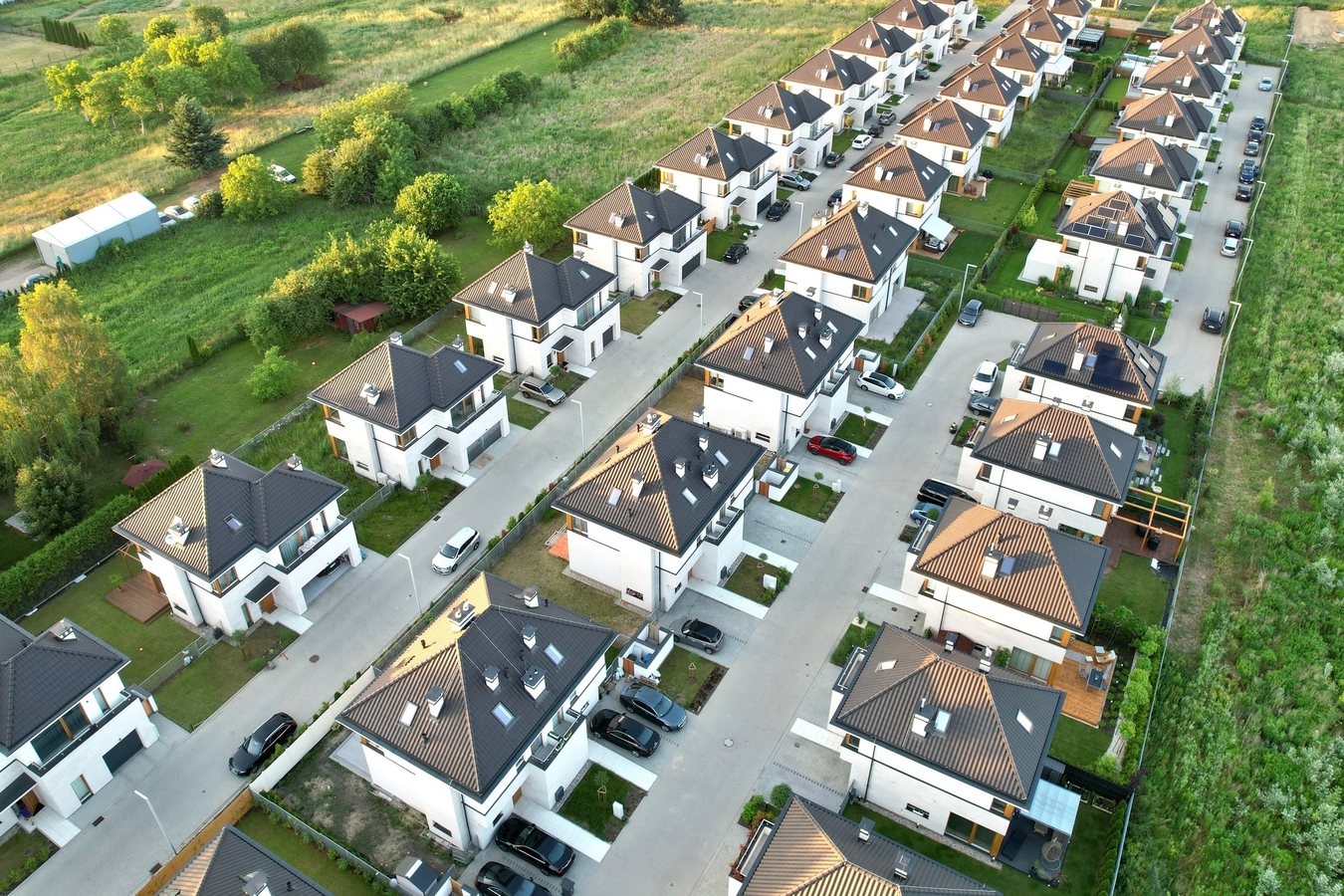
German Economists Set Income Threshold for the Upper Class
News 159
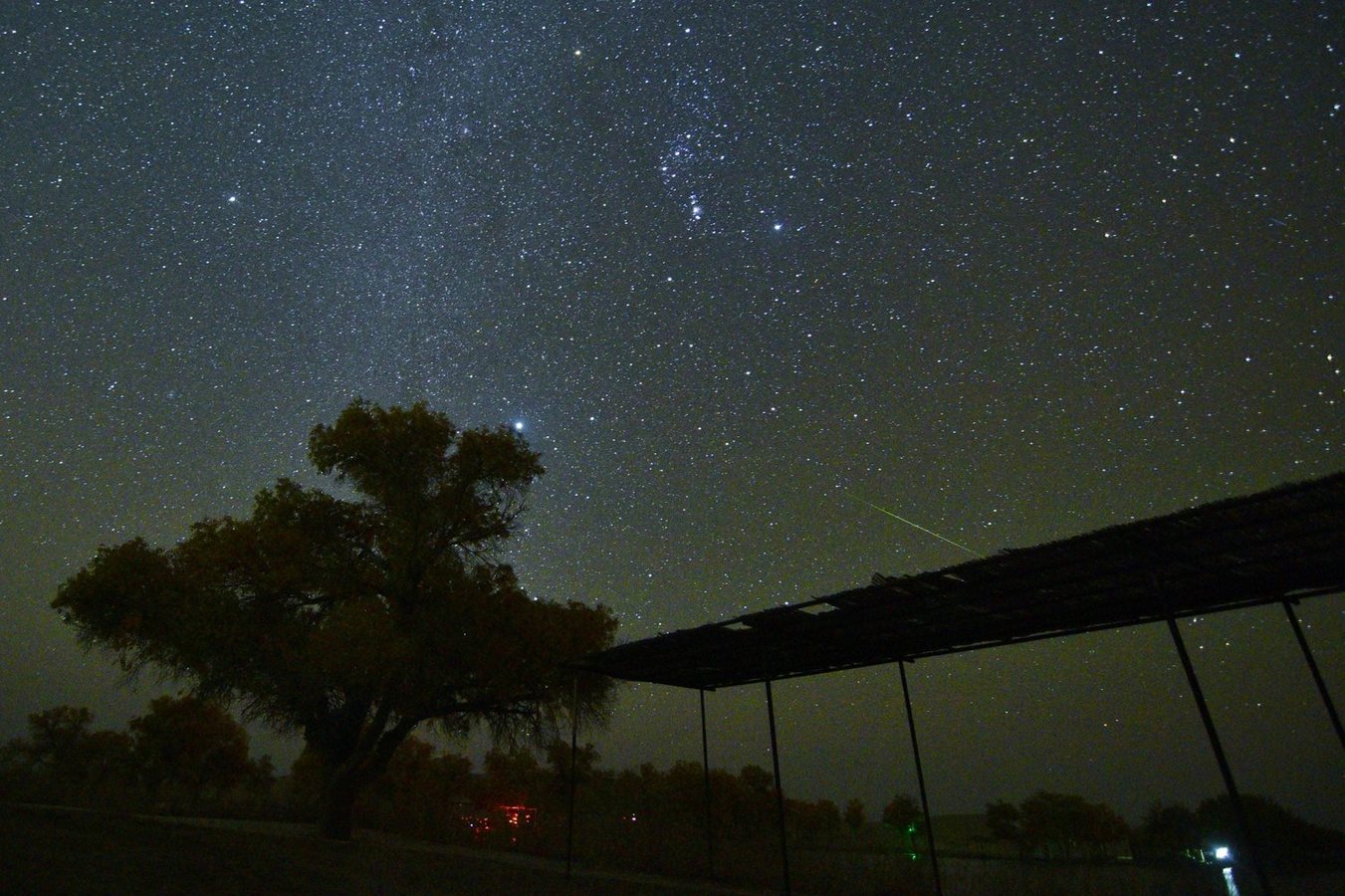
Orionid meteor shower set to peak with fast, bright fireballs
Politics 115
Burnham launches crackdown on loud music on public transport
Sports 283
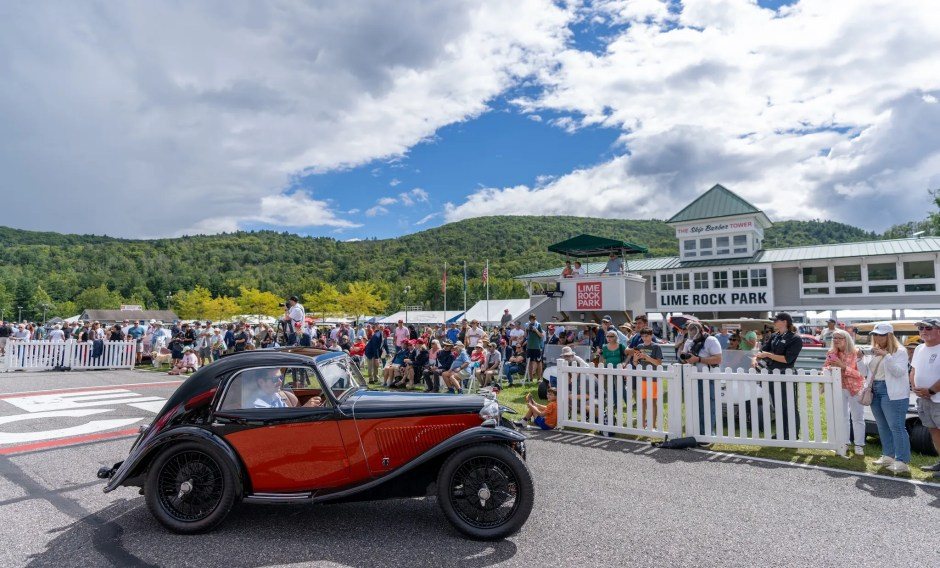
Alfa Romeo Takes Centre Stage at 44th Lime Rock Historic Festival
Technology 325
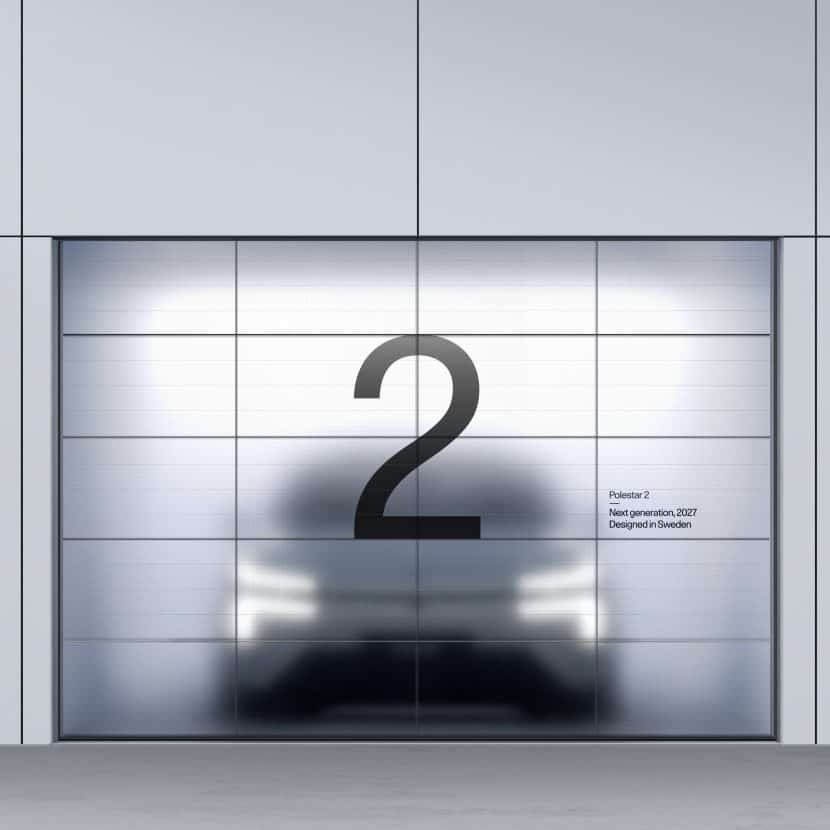
Polestar Aims to Outdrive BMW i3 With Next-Generation 2
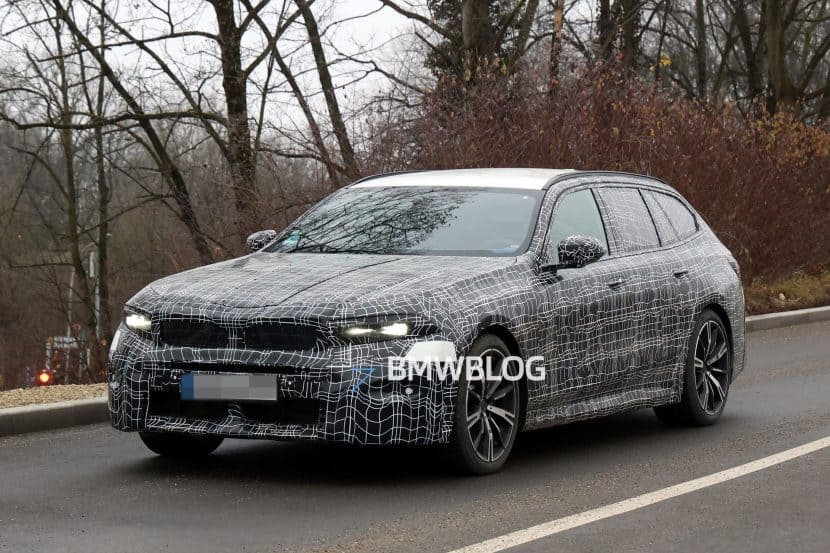
Mate Rimac says the Croatian technology firm is working on two additional BMW vehicles beyond the 2027 i7, after more than three years of development to win the German automaker's production contract.
By Edward Beaumont · 4 min read
Rimac Technology is working on two further BMW models beyond the 2027 i7, the Croatian company's founder has confirmed, extending a partnership that has already placed it in the supply chain for one of the German automaker's flagship electric cars.
Mate Rimac told Automotive News that the two additional vehicles are in the pipeline but declined to identify which models will use the company's technology. «BMW is a big partner, and we have a great partnership,» he said. «We jointly announced that we are launching the first car with our joint technology, which is the BMW i7. There are two more cars in the pipeline that we are doing, but I can't provide additional details yet.»
The electric 7 Series facelift is the first production model to carry technology developed jointly by the two companies. Rimac helped BMW integrate cylindrical battery cells into the i7 for the full-size sedan's mid-cycle update, pairing Gen6 cell technology with a Gen5 module design. The result is a 20% increase in energy density, with usable capacity up more than 10% to 112.5 kWh.
That has lifted the range of the i7 60 xDrive by roughly 75 miles, or 120 kilometres, over the pre-facelift model to more than 452 miles. Maximum DC charging power has also risen from 195 to 250 kilowatts, allowing a 10% to 80% charge in 28 minutes.
Winning the contract was not straightforward. Rimac said the process took more than three years of development work, with suppliers competing during development before BMW made its final decision on series production. The company had to demonstrate it could meet the German automaker's requirements for performance, quality, production capacity and cost.
BMW's premium positioning does not mean it can pay more for components, particularly batteries, where competition from Chinese manufacturers is intense. In a notable show of commitment before any production contract was secured, Rimac showed BMW representatives where their production line would be installed when they visited the company's campus during its early construction phase. He was already building the facility around BMW's requirements, betting the partnership would come together.
«They saw we were really committed,» Rimac said, explaining that the investment demonstrated his company's determination to meet BMW's production schedule. That willingness to commit resources before receiving a guaranteed order helped convince Munich that Rimac Technology could deliver when it mattered.
The identity of the two additional vehicles remains unknown. Rimac did not specify whether they will be fully electric models or plug-in hybrids. Previous reporting has suggested the partnership could bring battery upgrades to the facelifted i5, expected to debut in 2027. Like its larger sibling, the electric sedan is expected to retain the CLAR platform and combine Gen5 and Gen6 technology for greater range and faster charging.
The confirmation underlines how established carmakers are turning to specialist suppliers for battery technology as they seek to improve range and charging performance without abandoning existing vehicle architectures. For Rimac, the BMW work represents a step beyond its low-volume performance cars into high-volume series production for a major premium brand.
9